
What Is the One-Strong-Texture Rule?
The rule is simple: anchor your neutral outfit with a single, dominant, and interesting texture. Instead of wearing head-to-toe smooth cotton or matte jersey, you deliberately introduce one piece that
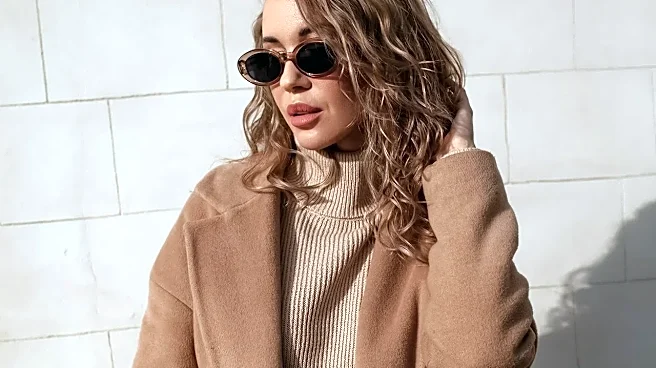
has a distinct surface quality. Think of a chunky knit, a sleek leather skirt, a soft suede jacket, or a ribbed dress. This single textured item becomes the focal point, doing the work that a bright color or bold pattern might do in another outfit. It’s about creating contrast not with color, but with feel. The rest of your outfit remains simple and smooth, allowing that one hero texture to stand out and give the entire look dimension and a sense of intention.
Why It Works: The Power of Visual Depth
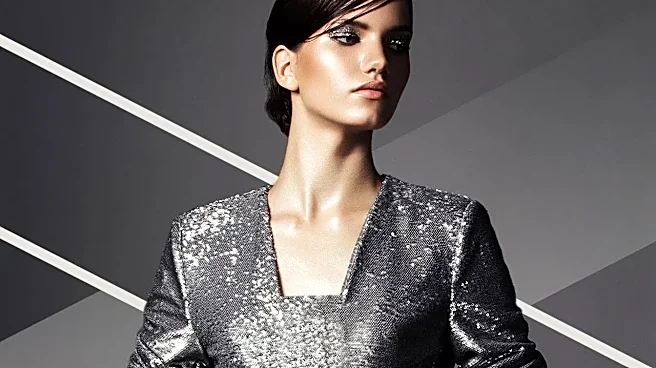
Outfits made from fabrics with the same finish can blend into a single, shapeless form, making the look feel monotonous. Texture breaks up that visual plane. A glossy surface like silk or leather reflects light, while a matte surface like wool or suede absorbs it. This interplay of light creates subtle highlights and shadows, giving your body shape and preventing the outfit from looking like a flat mass of color. In essence, texture does the job color contrast usually does: it creates variation and visual interest that draws the eye and makes the outfit feel more considered, sophisticated, and expensive. It’s the difference between an outfit that looks accidental and one that looks purposefully styled.
How to Choose Your 'One Strong Texture'
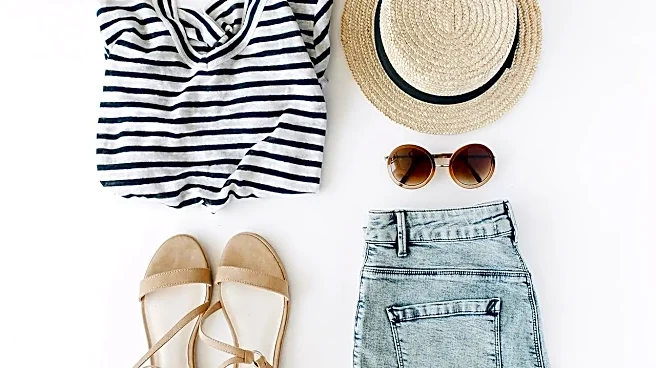
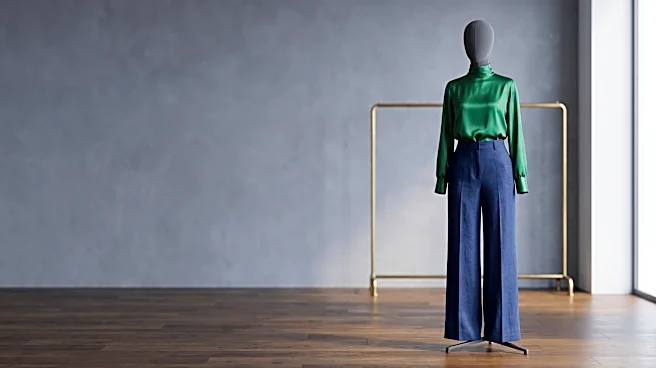
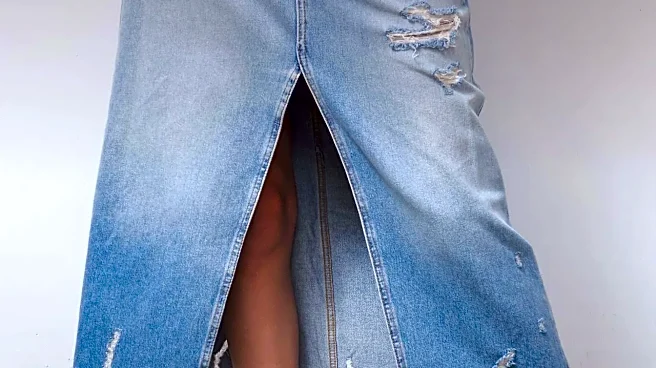
Choosing your texture is about finding a piece that feels distinct from the other items in your outfit. You don’t need multiple competing textures; one is often enough to create impact. Some of the most effective and easy-to-style textures include: Knits: A chunky cable-knit or ribbed sweater provides instant coziness and depth against simple trousers or a silk slip skirt. Leather & Suede: A smooth leather jacket, skirt, or pair of pants adds a sleek, edgy finish. Suede offers a softer, more luxe alternative. Silk & Satin: The high sheen of a silk camisole or satin blouse provides a beautiful contrast to matte fabrics like wool, denim, or cashmere. Denim: Don't underestimate the power of classic denim. Its woven texture provides a solid, casual base against softer knits or crisp cottons. Linen & Bouclé: In warmer weather, the airy, slightly rumpled texture of linen adds effortless interest. For a more structured look, a bouclé or tweed jacket brings a timeless, polished feel.
Putting It Into Practice: Simple Formulas
Applying the rule is easier than it sounds. Start with a simple base and add your one point of texture. The goal is to create a clear contrast between surfaces. Formula 1 (Work): Start with smooth, tailored wool trousers and a simple cotton tee. Add a bouclé blazer as your strong texture. The mix of the smooth trouser and textured jacket feels polished and intentional. Formula 2 (Weekend): Pair your favorite straight-leg jeans (a subtle texture) with a luxurious, smooth cashmere sweater. The contrast between the rugged denim and soft knit is a classic for a reason. Formula 3 (Evening): Wear a sleek satin or silk slip skirt. Top it with an oversized, chunky knit sweater. This high-contrast pairing of shiny and soft, fluid and structured, is effortlessly chic.
A Note on Balance
The key to making this rule work is balance. Your 'strong texture' is the star of the show; the other pieces are the supporting cast. If you’re wearing a very textured chunky knit, keep your bottoms smooth and simple. If you opt for leather pants, pair them with a basic cotton t-shirt or a fine-gauge sweater. Trying to mix too many dominant textures—like a tweed jacket with corduroy pants and a cable-knit sweater—can look chaotic rather than curated. Let one piece do the talking, and the rest of the outfit will fall into place, creating a look that is harmonious, sophisticated, and anything but boring.