




The Pre-Sold Promise of IP
In Hollywood, 'IP'—intellectual property—is king. It’s the reason the summer schedule is crowded with titles like 'Toy Story 5' or another journey into a well-known comic book universe. From a studio perspective, this makes perfect sense. Why risk hundreds
of millions on an unknown story when you can tap into a pre-existing fanbase that guarantees a massive opening weekend? These films are not just movies; they are cultural events built on decades of accumulated goodwill. They come with a built-in marketing plan, as audiences have literally grown up with the characters. This financial logic is why, despite constant chatter about 'franchise fatigue,' these films continue to dominate the box office. The data shows that audiences reliably show up for the familiar, making IP-driven films the closest thing the modern film industry has to a sure thing.
The Crushing Weight of Nostalgia
Here's the catch: that built-in audience is also the film's harshest group of critics. Nostalgia is a powerful, double-edged sword. For fans, these stories aren't just entertainment; they are part of their personal history, time capsules of their youth. When a director or writer takes on a beloved property, they aren't just making a movie; they're playing with memories. Every choice, from casting to costume design to a single line of dialogue, is scrutinized against a deeply ingrained, often idealized version of the original. Any deviation can feel less like a new interpretation and more like a personal betrayal. This creates an environment where expectations are almost impossibly high. The film must simultaneously honor the past, innovate for the present, and satisfy millions of individual versions of what the story 'should' be. It's a tightrope walk with no safety net.
When Hype Curdles into Fatigue
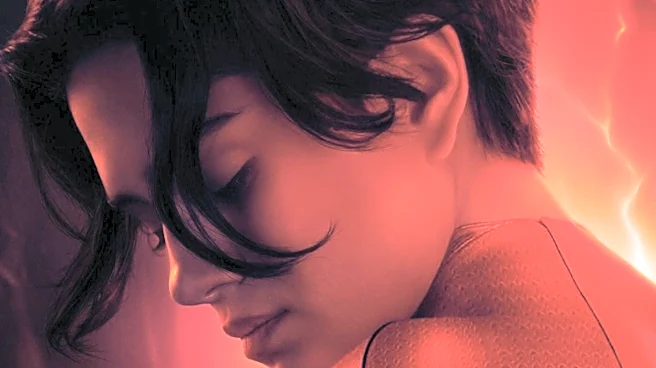
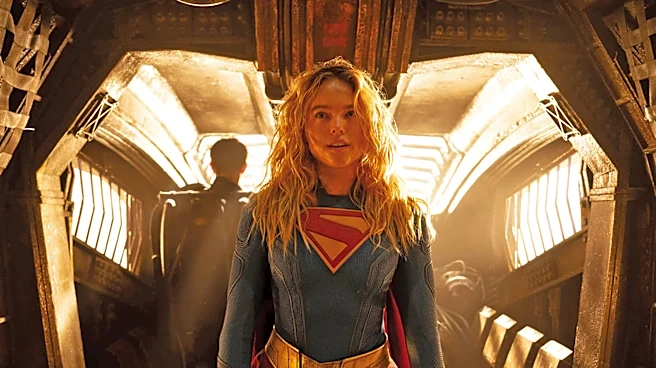
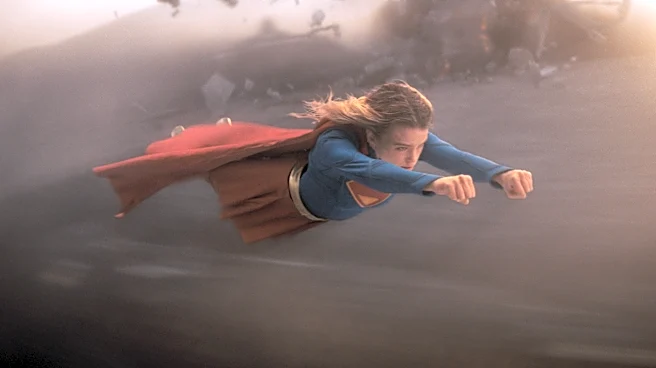
The marketing cycle for a modern blockbuster is a multi-year marathon. We see casting announcements, set photos, teaser trailers, official trailers, and a deluge of promotional content long before the film's release. While this builds awareness, it also risks total saturation. By the time the movie finally premieres, audiences can feel like they've already seen it. More importantly, this constant exposure can strip the film of its magic, turning it from a story into a product. This was seen in the muted reception for 'Supergirl' this summer, where a massive budget and marketing push didn't translate into the expected enthusiasm, especially when contrasted with the runaway success of the more emotionally resonant 'Toy Story 5'. When a film is over-marketed, the public conversation can shift from excitement to exhaustion, and the slightest misstep can lead to widespread online criticism before the first ticket is even sold.
The Safety Net with Holes
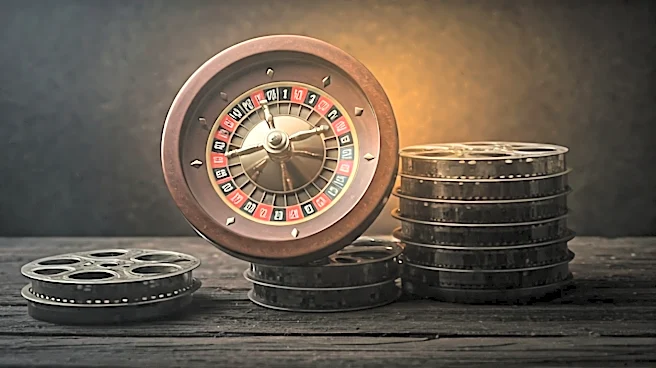
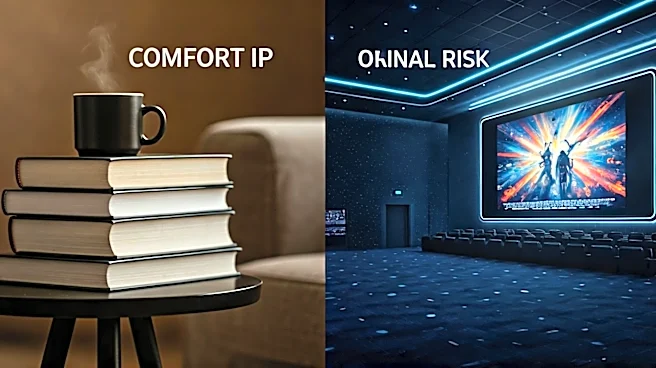
This all leads to the central paradox: the very safety that makes IP attractive is what generates its greatest risk. A completely original film that fails is simply a failed movie. But when a beloved franchise film underwhelms, it's seen as a cultural crime. It's a 'betrayal' of the source material or a 'cynical cash grab'. This dynamic forces studios into a creative corner. They must deliver something that feels new and exciting, but not too new, lest they alienate the core fanbase. They are expected to take risks while remaining utterly safe. The result is often a compromised vision that pleases no one. Meanwhile, smaller, original films sometimes break through because they arrive with no baggage. Films like 2026's breakout horror hits 'Obsession' and 'Backrooms' succeeded by offering audiences something unexpected, proving that true risk—the risk of originality—can sometimes be the safest bet of all.