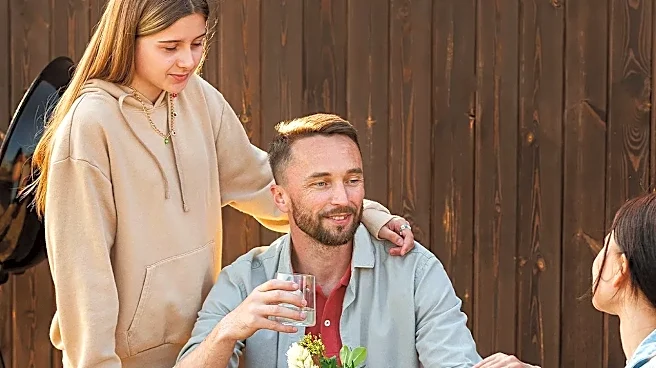








The Thanksgiving ideal is a warm, Rockwellian scene of harmony and abundance. But in the movies, the invitation to dinner is often the first step toward a pressure-cooker environment where hospitality becomes a weapon and family a time bomb.
The Myth of the Perfect Meal
In the cinematic
universe, Thanksgiving rarely resembles the cozy, idealized gatherings we see in commercials. Instead, it’s a stage for dysfunction, a day where the obligation to be grateful clashes violently with long-simmering resentments. Unlike Christmas films, which often lean into magic and sentimentality, Thanksgiving movies are grounded in the messy reality of family dynamics. They trade sleigh bells for slammed doors and angelic choirs for screaming matches. The holiday’s central act—sharing a meal—becomes a test of worth, sanity, and endurance. This cinematic tradition recognizes a fundamental truth: forcing people who have spent a year avoiding each other to sit at one table is a recipe for drama, making it a perfect backdrop for exploring the cracks in any family’s facade.
Performance Anxiety in the Kitchen
At the heart of many movie Thanksgivings is a host pushed to the brink. The pressure to perform hospitality is immense, turning the act of cooking a turkey into a high-stakes trial. In Peter Hedges' 'Pieces of April,' the titular character, a family black sheep, attempts to prove her maturity by hosting dinner in her tiny, run-down New York apartment. When her oven breaks, her desperate quest to find a working one in her building becomes a frantic, comedic, and poignant journey for acceptance. This theme of the meal as a last-ditch effort to earn love or forgiveness is central. The film treats the simple act of roasting a turkey with the tension of a bomb-defusal scene, because for April, the stakes are just as high: fail the dinner, and she fails to mend her fractured relationship with her dying mother.
The Uninvited Guest, The Unspoken Tension
Often, the catalyst for chaos is an outsider who disrupts the fragile peace. In 'Planes, Trains and Automobiles,' the entire plot revolves around ad executive Neal Page’s desperate attempt to get home, saddled with the bumbling but good-hearted Del Griffith. While the film is mostly a road-trip comedy, its emotional climax hinges on hospitality. When Neal finally arrives home, he realizes Del has nowhere to go and invites him in, transforming the stranger from an obstacle into a guest. This gesture reframes the holiday not just as a family obligation but as an act of genuine empathy. In darker films like 'Krisha,' the 'guest' is a returning family member whose presence is the source of tension. Krisha, a recovering addict, returns for Thanksgiving to prove she has changed, but her family’s wariness and her own inner turmoil create an atmosphere of suffocating dread that builds until it explodes.
The Catharsis of Collapse
The most memorable movie Thanksgivings are often the ones that end in spectacular failure. The turkey is dropped ('Home for the Holidays'), secrets are screamed across the table, and long-held grudges finally boil over. In the psychological drama 'The Humans,' a family gathers in a crumbling Manhattan apartment, and as darkness falls, their polite conversation gives way to the airing of fears about health, finances, and mortality, turning the holiday into a haunting exploration of modern anxieties. These cinematic meltdowns serve a cathartic purpose. They reflect our own fears about holiday gatherings—the pressure to be happy, the awkward conversations, the dread of conflict—and amplify them to an extreme. Watching someone else’s Thanksgiving go up in flames is a strange form of relief, a reminder that whatever happens at our own table, it probably won’t involve a turkey flying across the room or a full-blown existential crisis before dessert.