




What Is a Sneaker Sidewall, Anyway?
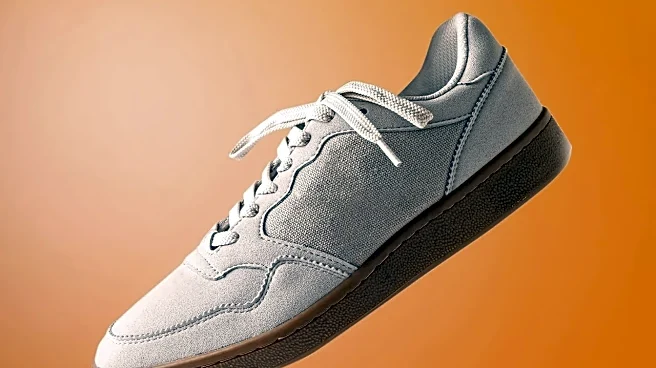
Before we dive into the aesthetics, let's get the terminology straight. The sidewall is the vertical part of the sole that wraps around the edge of the sneaker. It's what you see when you look at the shoe from the side. On many classic sneakers, this
is a separate piece of rubber tape, often called "foxing," that is bonded to the upper and the outsole to reinforce the shoe's construction. While its primary job is structural, its height and thickness play a massive role in defining the shoe's character, silhouette, and overall vibe.
The Sleek Profile: Low Sidewalls
Low sidewalls are the signature of a certain kind of retro, streamlined sneaker. Think of indoor soccer shoes from the '70s and '80s that have become modern style staples. The most iconic example is the Adidas Samba. Its famously low-profile look is largely due to its minimal sidewall, which keeps the shoe looking flat, slim, and grounded. This design creates a sleek, almost knife-like silhouette that feels less bulky and more agile. Low-sidewall sneakers tend to blend seamlessly with an outfit, offering a sporty-yet-understated edge that pairs exceptionally well with everything from tailored trousers to casual denim. They don't scream for attention; they communicate a quiet, vintage-inspired confidence.
The Structured Frame: Raised Sidewalls
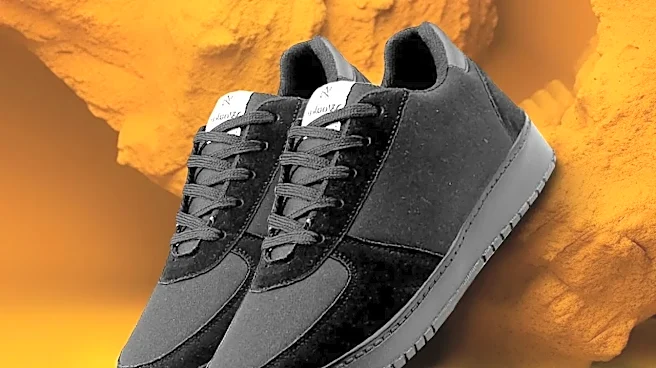
On the other end of the spectrum are raised sidewalls. These are more substantial, climbing higher up the side of the shoe's upper. This style is common on classic tennis, basketball, and skate shoes. Think of the Nike Blazer Low or the Converse Jack Purcell. That extra vertical real estate of rubber adds visual weight and structure. Instead of blending in, a raised sidewall acts like a frame for the upper, making the shoe's shape and colors pop. It gives the sneaker a more solid, planted, and often slightly chunkier appearance, even on a low-top model. This look leans into a classic, casual, all-American sportswear aesthetic, feeling more robust and making more of a statement on its own.
Side-by-Side: How They Change Your Look
So, how does this choice actually play out in an outfit? A low-sidewall sneaker like an Adidas Gazelle or Samba offers a more refined, fashion-forward feel. It’s the sneaker you can more easily "dress up" because its slim profile doesn't fight with the clean lines of a straight-leg trouser or a more put-together look. It elongates the foot and creates a subtle, cohesive line. In contrast, a raised-sidewall sneaker like the Nike Killshot creates a more distinct, casual break at the ankle. It's the quintessential smart-casual shoe, perfect for chinos and a polo, where the shoe is a key, noticeable element of the outfit. The higher wall of rubber grounds the look in a classic, preppy, or skate-inspired heritage, depending on the specific model. It’s less about blending in and more about being a foundational piece of the look.
Which Sidewall Style Is for You?
There's no "better" option here—it's entirely about the aesthetic you're trying to achieve. If your personal style leans minimalist, European, and a bit more refined, you'll likely gravitate toward the sleekness of a low sidewall. They are the chameleons of the sneaker world, adapting to both casual and smarter styles with ease. If you prefer a more classic, visibly structured, and casual American sportswear look, the raised sidewall is your ally. It provides a solid, traditional foundation for weekend wear and relaxed outfits. The trend cycle may swing between chunky and slim silhouettes, but both of these sidewall styles have remained timeless cornerstones of sneaker design for a reason.