



Designed for Women, Marketed to Men
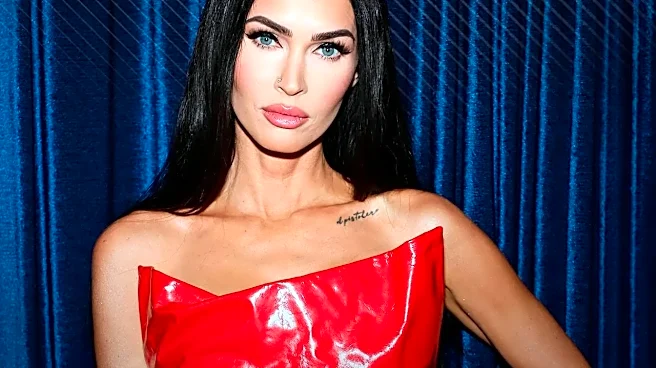
On paper, the film was a guaranteed hit. It was penned by Diablo Cody, fresh off her Oscar win for Juno, starred Megan Fox at the peak of her fame, and was directed by Karyn Kusama. It was a sharp, funny horror movie about a popular cheerleader who, after
a satanic ritual goes wrong, becomes a succubus who feasts on her male classmates. But 20th Century Fox’s marketing department saw only one thing: Megan Fox as a sex symbol. Instead of targeting the young women for whom Cody wrote the script, the studio promoted it as a raunchy flick for teenage boys. The campaign focused heavily on Fox’s sex appeal, even using a sapphic kiss between her and co-star Amanda Seyfried as bait. This strategy backfired spectacularly. It alienated the film’s intended female audience while disappointing the male audience it courted, who weren't expecting a story where boys were the victims. The film flopped, earning back its $16 million budget but failing to make a significant profit.
A Star and a Story Misunderstood
The film’s failure wasn't just about a flawed marketing plan; it was also a product of its time. In 2009, Megan Fox's public image was defined by her role in the Transformers franchise and a highly publicized, often misogynistic media narrative. She was seen as a difficult sex symbol, not a talented actress capable of leading a satirical, feminist horror film. This perception clouded the reception of her performance and the movie itself. In a later interview, Fox described feeling vilified and objectified, stating the experience contributed to a severe psychological breakdown. Writer Diablo Cody also faced backlash, with critics fixating on her signature quirky dialogue rather than the film's deeper themes. The creative team knew they had made a smart, subversive movie, but the cultural climate wasn't ready to see past the surface. The film was about a young woman whose body is violently co-opted by men for their own gain—a theme that would take another decade to enter the mainstream conversation.
A Cultural Reawakening
Years after its release, something began to shift. As streaming services made the film readily available, a new audience discovered it without the baggage of the original marketing campaign. Social media platforms like TikTok and Tumblr became hotbeds for a grassroots reappraisal, with fans sharing GIFs, quotes, and analysis that celebrated the film's wit and depth. This online resurgence coincided with a broader cultural reckoning. The #MeToo movement, which gained momentum in the late 2010s, created a new lens through which to view the story. Jennifer's literal consumption of predatory and clueless boys was reinterpreted as a powerful, if fantastical, allegory for female rage against a patriarchal system. What was dismissed in 2009 as a trashy horror flick was now being hailed as an overlooked feminist masterpiece that was simply ahead of its time.
An Enduring October Legacy
Today, Jennifer's Body is no longer a punchline but a beloved staple of the Halloween season. Its exploration of toxic female friendships, queer desire, and feminine power has found a loyal audience that continues to grow. The film has been reclaimed by the very audience it was originally intended for: women who saw themselves in its story of friendship, trauma, and survival. Both Megan Fox and Diablo Cody have expressed a sense of vindication and happiness at the film's second life, with Cody's confidence in the genre restored by the delayed praise. The journey of Jennifer's Body from misunderstood flop to cult classic is a testament to how art can be re-evaluated as culture evolves. It’s a story that proves that some films don’t fail; they just arrive before the world is ready to listen.