





A Fresh Start in 1916
The story begins not in a modern lab, but in a small perfumer's workshop in Parma, Italy, in 1916. At the time, men's fragrances were predominantly heavy, strong scents imported from Germany. A local baron named Carlo Magnani wanted something different
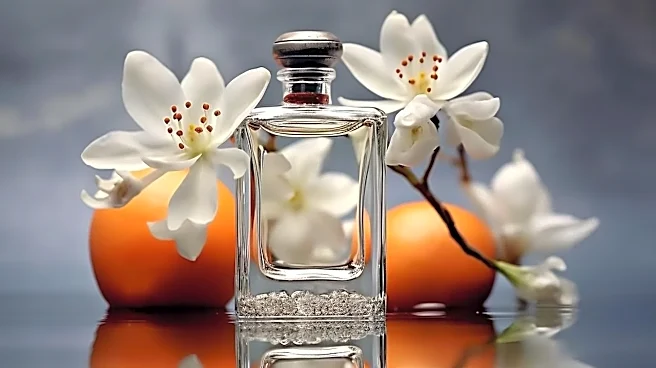
for his own personal use: a fragrance that was light, fresh, and distinctly Italian. The result was Colonia, a bright, crisp blend of Sicilian citrus, lavender, and rosemary that was initially used to scent gentlemen's handkerchiefs at tailor shops. This wasn't a product launched with a massive campaign; it was a personal creation that captured the essence of Italian sunshine and effortless sophistication, a radical departure from the olfactory norms of the era.
Hollywood's Best-Kept Secret
Colonia’s fame grew not through advertising, but through the quiet endorsement of the world’s most stylish people. In the 1950s, as American movie stars flocked to Italy to work with legendary directors, they discovered the fragrance in the exclusive tailor shops they frequented. Icons like Cary Grant, David Niven, and Ava Gardner became devotees. Unlike the heavily marketed perfumes of their time, Acqua di Parma was a secret shared among those in the know, a symbol of authentic, understated luxury. Its Art Deco bottle and signature yellow packaging, inspired by the color of Parma's elegant buildings, became synonymous with a golden era of Hollywood glamour and Italian style.
The Philosophy of 'Quiet Luxury'
The modern fragrance market is a whirlwind of niche brands, gender-neutral scents, and TikTok-driven micro-trends. Consumers, especially younger generations, seek novelty, self-expression, and scents that tell a story. Yet, Acqua di Parma thrives by resisting this chaos. Its philosophy is built on consistency and craftsmanship. The formula for the original Colonia has remained unchanged for over a century. The brand focuses on high-quality, natural ingredients, many sourced from Italy, like Sicilian lemons and bergamot. This dedication to its heritage is the core of its strength. It doesn’t need to shout because its quality and history speak for themselves.
Staying True in a Changing World
After a quiet period, the brand was revived in the 1990s by a trio of Italian entrepreneurs who saw its potential not just as a perfume, but as a cultural institution representing Italian craftsmanship. Even after being acquired by luxury conglomerate LVMH, the brand has managed a delicate balancing act. It has slowly expanded its collections, introducing new scents like the Blu Mediterraneo line that evoke different parts of the Italian coast, but always in a way that feels authentic to its DNA. It has avoided the temptation of viral marketing stunts or chasing fleeting trends like gourmand or intensely synthetic notes, instead reinforcing its identity as a purveyor of timeless elegance. This strategy has allowed it to remain a benchmark for quality in a market that often prioritizes novelty over longevity.