



The Ghost of Ratings Past
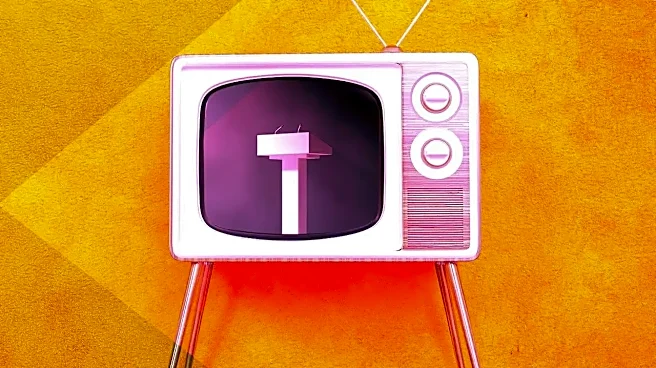
For decades, the entire television industry revolved around a single number: the Nielsen rating. That figure was currency, gospel, and executioner all in one. But in 2026, obsessing over traditional ratings is like judging a car's performance by the quality
of its AM radio. While Nielsen is still trying to adapt by incorporating new data, the industry has already moved on. The real metrics of success now live on streaming platforms, hidden from public view. Studios are no longer chasing the largest possible live audience; they're fighting a war of attrition against “churn”—the rate at which subscribers cancel. A new show's value is now measured by its ability to attract new sign-ups, keep existing customers from leaving, and create a universe of dedicated fans. It’s a shift from a sprint for eyeballs to a marathon for loyalty.
Franchises Over Fresh Starts
Look closely at the September 2026 premiere calendar and a clear pattern emerges: safety sells. The slate is packed with sequels, prequels, and spin-offs. We're seeing second seasons of recent hits like “Outlander: Blood of My Blood” and Netflix’s “The Gentlemen,” a sixth season of Apple TV+'s spy thriller “Slow Horses,” and the thirteenth installment of “American Horror Story.” Even new shows are often extensions of existing properties, like “The Drop: A Snowfall Saga” on FX and “Neagley,” a spin-off from Prime Video’s popular “Reacher” series. This isn’t a coincidence. In a post-“Peak TV” world where studios are focused on profitability, pre-existing intellectual property (IP) is king. Launching a show with a built-in fanbase dramatically reduces marketing costs and provides a predictable floor for viewership, something an entirely original concept can never guarantee.
The Retreat to Reliable Genres
Beyond franchises, the fall schedule shows a clear preference for tried-and-true genres. True crime continues its reign with “Monster: The Lizzie Borden Story,” the latest from producer Ryan Murphy. Unscripted competition shows, which are cheaper to produce and reliably draw audiences, are also prominent, with both ABC’s “Dancing with the Stars” and NBC’s “The Traitors: New Blood” dominating network schedules. While there are a few new scripted dramas, they tend to be high-concept procedurals like NBC’s “Line of Fire” rather than risky, genre-bending experiments. This strategy reflects a cautious Hollywood, one that is reeling from years of spending big on ambitious projects that failed to find an audience. The message from the C-suites is clear: give audiences something familiar, something they already know they like, and don't spend a fortune doing it.
A Global and Diversified Playbook
The other story this fall’s premieres tell is one of global ambition and diversified revenue. Streaming is a worldwide business, and shows are increasingly developed to appeal to audiences in dozens of countries simultaneously. This is why you see a mix of American-made blockbusters alongside international co-productions and acquisitions. Furthermore, the monetization strategy is no longer just about subscriptions. Ad-supported tiers are now a massive part of the business, with platforms looking to capture revenue from viewers who aren't willing to pay top dollar. This hybrid model means that a show's success might not just be measured by its number of viewers, but by the advertising revenue it can generate. It’s a far more complex equation than the simple ratings of old, and it explains why a show might survive or even thrive despite not being a mainstream cultural phenomenon.