




The Unshakable Reign of Black
Think of the quintessential cool-kid uniform: black leather jacket, black skinny jeans, black boots. From punk rockers to beatnik poets, architects to off-duty models, head-to-toe black has long been the shortcut to looking serious, artistic, and put-together.
It’s a visual palette cleanser, a color that absorbs light and projects an aura of impenetrable confidence. It’s slimming, it goes with everything (mostly itself), and it never feels out of place. This sartorial dominance made black more than a color; it became an attitude. It was the default setting for sharpness, the easy answer to the daily question of what to wear. To choose anything else, especially for a formal or fashion-forward occasion, felt like a deliberate, and sometimes risky, deviation from the norm.
The Brown Monochromatic Takeover
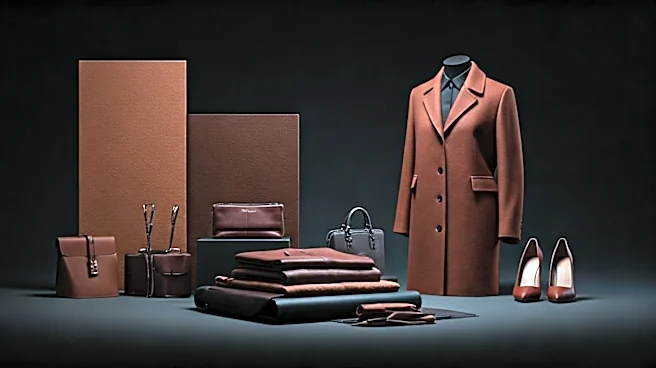
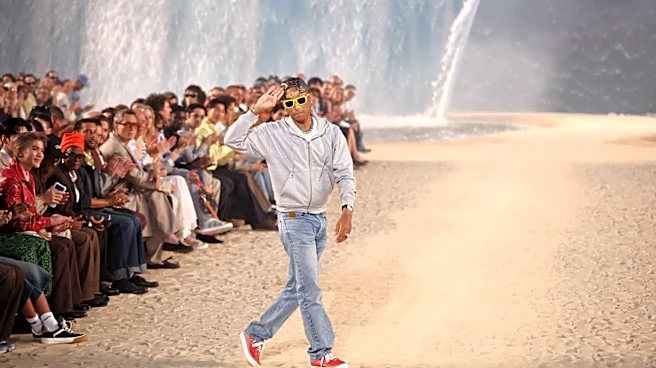
Then came the Fall/Winter 2024 menswear collections in Paris. Show after show, a new memo was clearly being passed around. At Louis Vuitton, Pharrell Williams sent out models in rich, chocolate-brown shearling coats and tailored suits that felt both luxurious and ruggedly American. Hermès, the quiet titan of luxury, showcased an entire spectrum of brown, from deep espresso trench coats to soft caramel knitwear, layered with precision. Dior Men and Loewe followed suit, presenting collections where brown wasn't just an accent color but the main event. The key was in the execution: designers embraced monochromatic looks, layering different shades and textures of brown to create outfits with incredible depth and visual interest. A dark brown wool overcoat over a lighter brown cashmere sweater and tailored trousers didn’t look muted; it looked intentional, confident, and incredibly modern.
So, Why Brown and Why Now?
This shift isn't happening in a vacuum. Aesthetically, the rise of brown signals a collective move away from the cold, stark minimalism that has defined much of the last decade. Brown is inherently warm, earthy, and human. It feels grounded and approachable in a way that severe black sometimes doesn't. There’s a touch of '70s and '90s nostalgia at play, too—eras when brown, tan, and beige were central to the stylish man’s wardrobe. Culturally, it suggests a desire for something softer and more soulful. In a world of digital starkness and hard edges, brown feels organic and comforting. It’s also technically interesting for designers. While black can flatten details, the subtle variations in a brown fabric—the way light hits a brown corduroy versus a brown silk—can add a layer of richness and texture that feels new again. It’s less of a void and more of a canvas.
The New Definition of Sharp
Perhaps the most compelling part of this trend is how it redefines what “sharp” even means. For years, sharpness was tied to severity and stark contrast. A crisp white shirt under a black blazer was the pinnacle of the look. But the new sharpness seen in Paris is about nuance and confidence. Pulling off a head-to-toe brown look requires a little more thought than defaulting to black. It shows you understand tone, texture, and proportion. A deep chocolate brown suit, for instance, can be just as formal as a black one, but it feels less corporate and more personal. It has a cinematic, intellectual quality. And unlike black, which can sometimes wash out certain skin tones, the wide spectrum of browns—from sand and camel to tobacco and deep espresso—offers a flattering option for nearly everyone. It’s a quiet luxury, a statement that you’re not just following the old rules, but are confident enough to embrace the new ones.