




Process Over Perfection
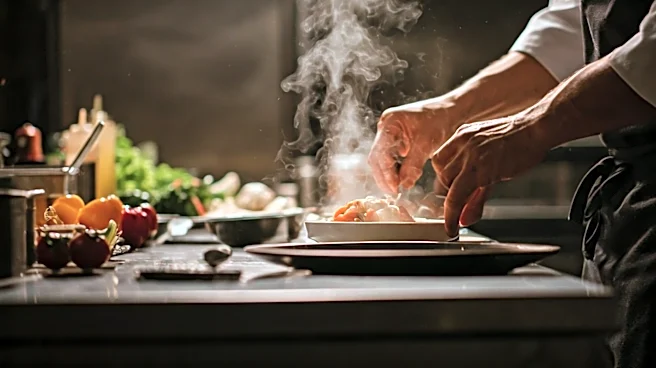
The fundamental difference in how “The Bear” films food is its obsession with process, not just the finished product. Traditional food media often presents a dish as a pristine, untouchable object of desire. In contrast, this show shoves its camera directly
into the grueling labor of creation. We see the flash of a knife dicing onions with punishing speed, the aggressive sear of a steak hitting a hot pan, and the beads of sweat on a chef’s brow. The cinematography, with its rapid cuts and extreme close-ups, makes you feel the physical and mental strain of kitchen work. It’s not about making you want to leisurely eat the food; it's about making you feel the anxiety and focus required to bring it into existence. This approach is intentional, rooted in a desire to reflect the reality of a professional kitchen, where every action is a blend of precision and pressure.
Every Dish Tells a Story
In “The Bear,” food is never just food; it’s a vehicle for character and narrative. Carmy’s attempt to perfect his late brother’s spaghetti recipe is a way to process grief and connect with a memory. Sydney’s ambitious cola-braised short rib is a manifestation of her drive and creative frustration. When Richie meticulously forks-polishes in a fine-dining restaurant, it signals a profound internal transformation. These dishes are extensions of the characters' emotional states, their histories, and their aspirations. The culinary producer for the series, Courtney Storer—sister of creator Christopher Storer—drew from her own extensive experience as a professional chef to ensure every food-related detail served the story. The food becomes a language the characters use to express love, regret, and hope when words fail.
The Beauty of Controlled Chaos
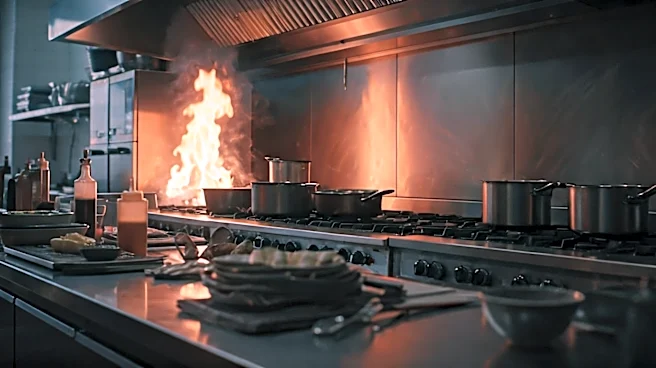
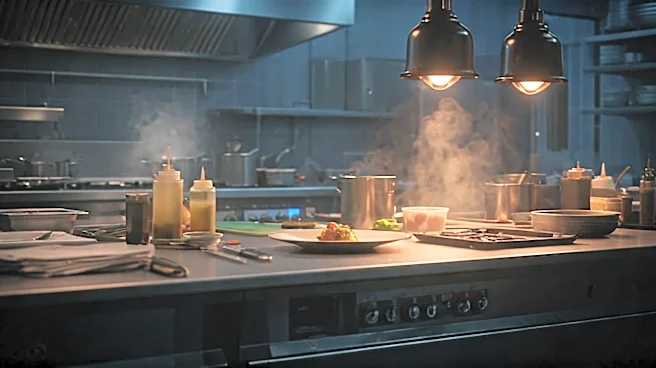
The show’s visual language mirrors the kitchen’s ethos: controlled chaos. Cinematographers Andrew Wehde and Adam Newport-Berra utilize a style that is both immersive and claustrophobic. The camera moves with a kinetic energy, maneuvering through tight spaces as if it were another member of the brigade. This isn't the static, perfectly lit world of a cooking show. Instead, the lighting is grounded and realistic, often using the kitchen's own functional lights to create texture and mood. This is complemented by an editing style that can be brutally fast, cutting between sizzling pans, ticking clocks, and the intense faces of the chefs. Even the famous 18-minute single-take shot in Season 1’s “Review” was designed to deny the audience a break, forcing them to experience the rising tension in real-time right alongside the characters.
From Grime to Grace
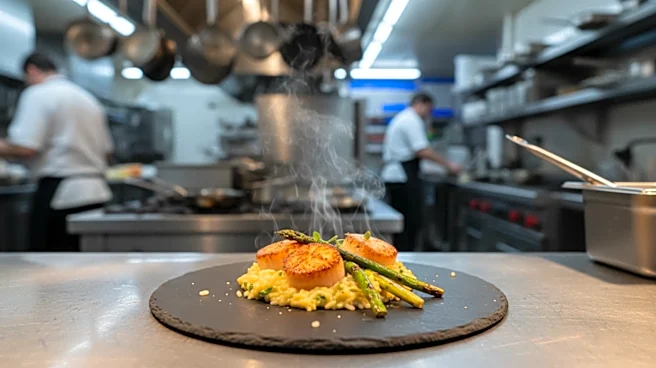
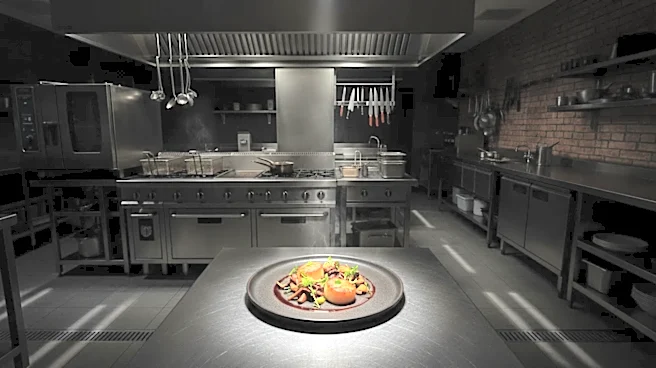
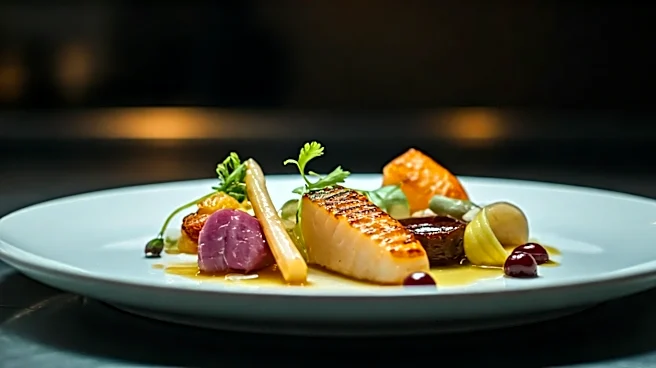
Ultimately, the food close-ups in “The Bear” work because they are earned. We witness the full life cycle of a dish: the raw ingredients, the messy prep, the occasional mistake, and the final, beautiful plating. The show doesn't shy away from the grime—the splatters of sauce, the overflowing trash cans, the visceral reality of a working kitchen. This authenticity, guided by Storer's insistence on using real, functional kitchens and training the actors in actual culinary techniques, makes the moments of grace all the more powerful. When a perfect donut or a delicate omelet emerges from the chaos, it feels like a genuine triumph. It represents a small victory of order over entropy, mirroring the characters’ own struggles to find meaning and purpose amidst the relentless pressures of their lives.