


The Anatomy of a Modern Pop Spectacle
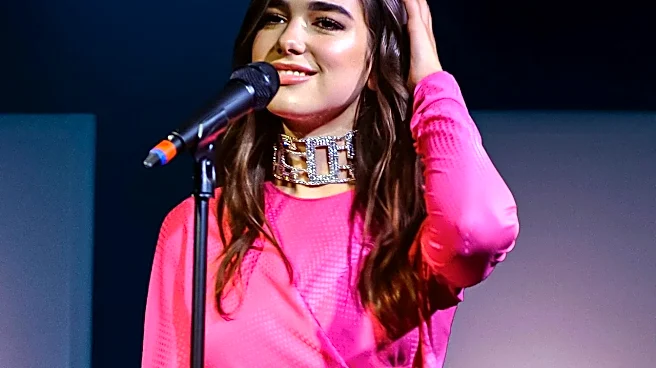
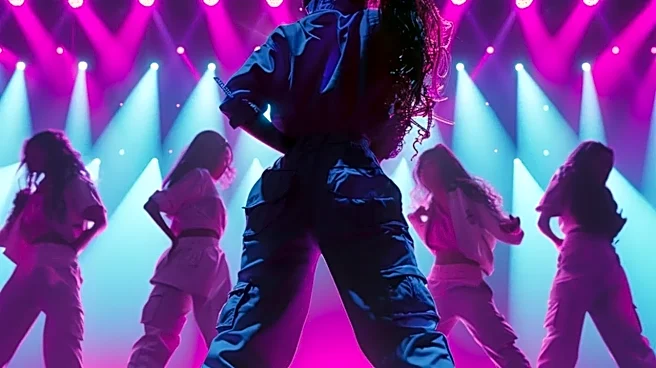
To understand Dua Lipa’s ascent is to understand the machinery of her live shows. Her recent headlining tours, from "Future Nostalgia" to "Radical Optimism," are not just concerts; they are meticulously crafted, multi-act theatrical events. The shows are a whirlwind
of high-fashion outfits, athletic choreography by a small army of dancers, and cinematic visuals projected on massive LED screens. During her "Radical Optimism Tour," performances involved everything from Bob Fosse-inspired dance routines to the artist singing inside a literal ring of fire. This is pop maximalism in action. The goal isn't just to play the hits but to create a self-contained, immersive world that feels larger than life. Every element, from the stage design by Es Devlin to the intricate lighting, is built to generate a sense of awe and provide a stream of unforgettable, shareable moments. This blueprint has transformed her from a singer with hits into a full-blown arena showstopper, capable of commanding the attention of 75,000 people in a field.
From Guitar Gods to Pop Royalty
It wasn't always this way. For decades, the festival main stage was the sacred ground of rock, indie, and alternative acts. Austin City Limits itself began with roots in country, rock, and Americana, featuring artists like Willie Nelson, Wilco, and The String Cheese Incident. The idea of a pop star helming such an event was, for a long time, unthinkable. The turning point can largely be traced to Beyoncé's historic 2018 Coachella performance. Dubbed "Beychella," her set was a cultural earthquake, a two-hour masterclass in performance art that celebrated Black culture and permanently reset expectations for what a headliner could and should do. She proved that a pop show could be more than just entertainment; it could be a profound cultural statement delivered with military precision and overwhelming spectacle. After Beychella, the floodgates opened. Festivals, once hesitant, began to see the immense draw of pop titans who could deliver a Super Bowl-worthy halftime show every night.
Why the Festival Field Demands a Beat
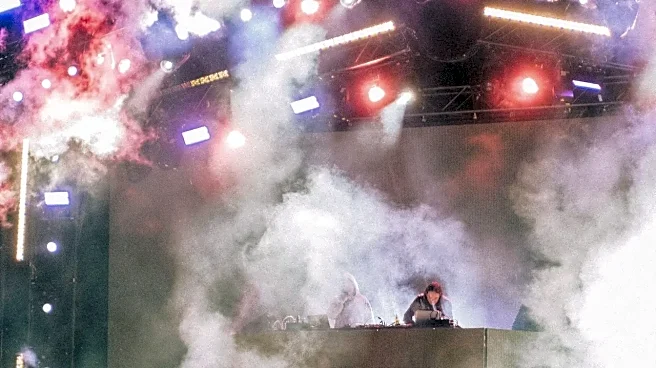
The modern music festival is an environment perfectly engineered for the dance-pop experience. In a sprawling outdoor setting with a diverse crowd, the universal language of a four-on-the-floor beat and an infectious chorus cuts through better than a complex guitar solo. The visual nature of today's pop shows is also a key factor. In the age of Instagram and TikTok, a festival's success is partially measured by its social media footprint. A highly choreographed dance break, a stunning pyrotechnic display, or a gravity-defying stage stunt are tailor-made for viral sharing. This creates a feedback loop: artists deliver bigger spectacles, audiences share those moments, and the festival's profile grows. The rise of EDM culture throughout the 2010s also primed audiences for this shift, normalizing massive stage productions, light shows, and a focus on collective, high-energy experiences. Pop shows simply adopted and personalized that framework.
ACL Cements the New Mainstream
Austin City Limits' booking of Dua Lipa is a significant indicator of this trend's solidification. While ACL has diversified over the years, bringing in rappers like Jay-Z and Tyler, the Creator, its DNA has remained tethered to a more traditional, instrument-focused credibility. Placing a pure-pop powerhouse like Dua Lipa at the top of the bill signifies a full embrace of the new festival reality. Some longtime attendees have noted the festival's pivot away from its rock roots toward more contemporary, stream-friendly acts. But it's also a reflection of where the center of popular music now lies. Dua Lipa represents an artist who has achieved global stardom through a combination of undeniable hits and a commitment to live performance as a high-art spectacle. Her presence at Zilker Park confirms that the pop star is no longer a niche booking but the new archetype of a festival headliner.