

The Prize at the End of the Wait
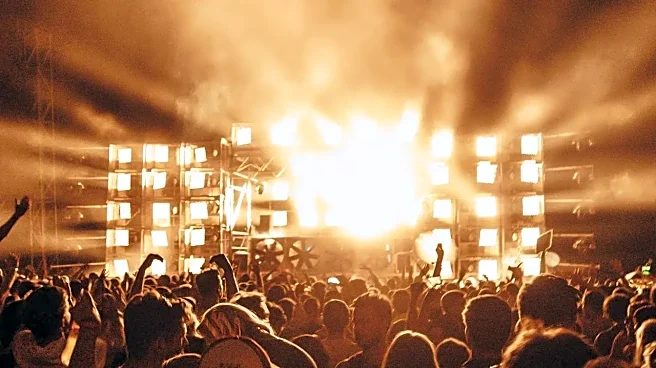
The single most important factor in our willingness to wait is the perceived value of the reward. Psychologists and service experts agree: the more valuable we believe the service or product is, the longer we'll tolerate waiting for it. A ten-hour wait to be front-row
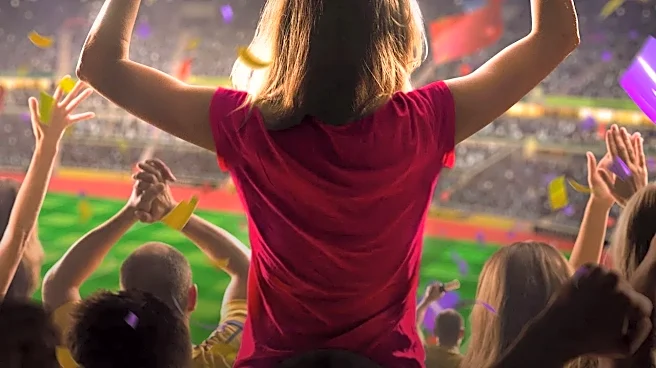
for a once-in-a-lifetime concert feels like a worthy investment. The experience is the prize, and the wait is just part of the ticket price. That same ten hours for a moderately anticipated movie would be absurd. The logic extends to shorter lines, too. A ten-minute wait for a $15 stadium beer feels like an eternity because the reward is low and the cost is high. But a ten-minute wait to board a roller coaster you love is a minor inconvenience. Our patience is a currency we spend, and we are constantly calculating whether the purchase is worth it.
The Unspoken Rules of Fairness
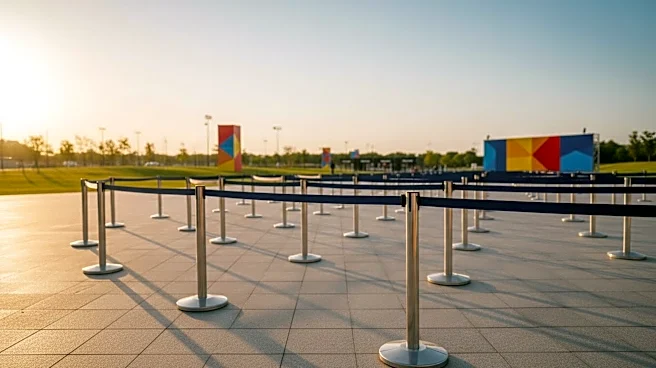
Humans have a powerful, almost primal need for fairness, and queues are a deeply ingrained social contract. The most infuriating part of a bad line isn't the wait itself, but the feeling that the system is unjust. When someone cuts in front of you, it triggers what some call "queue rage." It’s a violation of the first-in, first-out principle we learn as children. A well-managed, single-file serpentine line feels fair; everyone is in the same boat, progressing toward the same goal. Multiple, disorganized lines, however, create anxiety and resentment. You’re constantly wondering if you chose the "slow" line, and you watch with fury as someone who arrived after you gets served first. This is why many venues and retailers have shifted to a single-line system—it removes the stress of choice and guarantees an equitable wait, dramatically reducing frustration.
When the Wait Becomes the Experience
For the most dedicated fans, the line isn't an obstacle—it’s the opening act. Waiting overnight for a new iPhone, camping out for a Star Wars premiere, or tailgating before a big game transforms the wait into a communal event. It builds a sense of community and shared anticipation. In these scenarios, unoccupied time, which usually makes a wait feel longer, becomes occupied. You're making friends, sharing theories, and participating in a collective experience. The wait itself becomes a story to tell. Theme parks like Disney are masters of this, designing immersive queues that entertain and build a narrative long before you get to the ride. Conversely, a line for the concession stand or the bathroom has no secondary purpose. It is purely an obstruction, a moment of dead time with no added value, making it feel infinitely more frustrating.
Certainty and a Light at the End of the Tunnel
Anxiety makes any wait feel longer. One of the biggest sources of that anxiety is uncertainty. An unknown, unexplained wait is psychologically more taxing than a known, finite one. If you’re told a wait will be 45 minutes, you can mentally prepare, check your phone, or chat with a friend. But if you’re standing in a stagnant line with no information and no end in sight, your brain perceives the wait as longer and more stressful. This is why Disney often overestimates its posted wait times; when you get through a 45-minute posted wait in 35 minutes, you feel like you've won. It's a psychological trick that replaces anxiety with a sense of relief and satisfaction. A line that is simply long is manageable. A line that feels chaotic, endless, and unexplained is where revolt begins.