



Red Carpet Looks are Fantasy, Not Catalogs
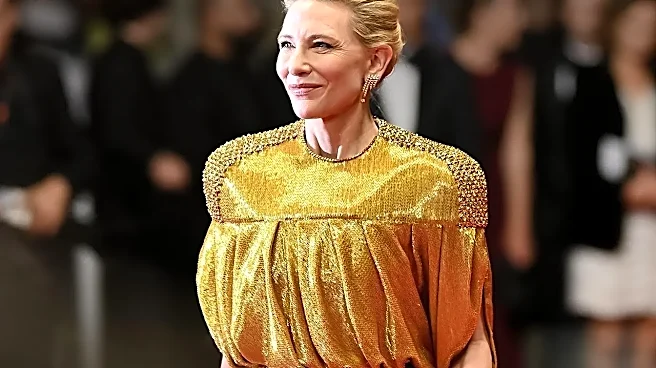
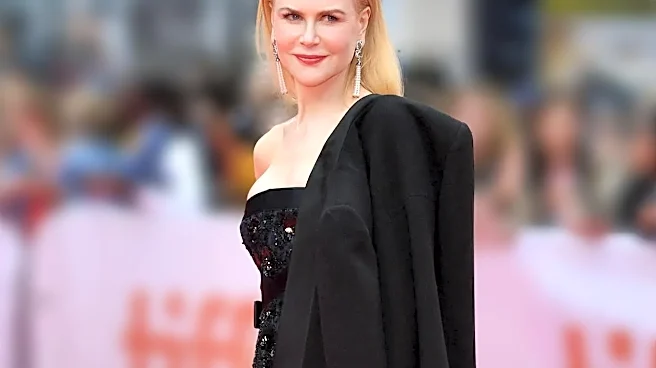
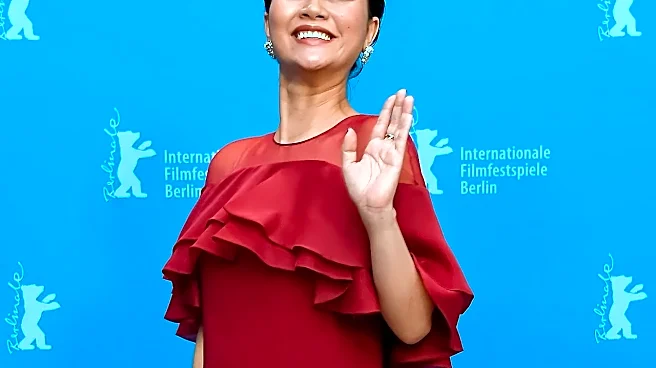
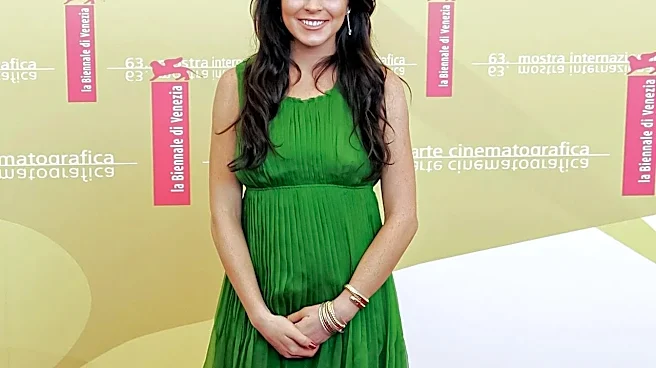
When we see stars like Ayo Edebiri in custom Chanel or Fan Bingbing in a dramatic Tony Ward gown at TIFF, we aren't seeing everyday clothes. These are highly constructed moments of fantasy, brought to life by a team of professional stylists, makeup artists,
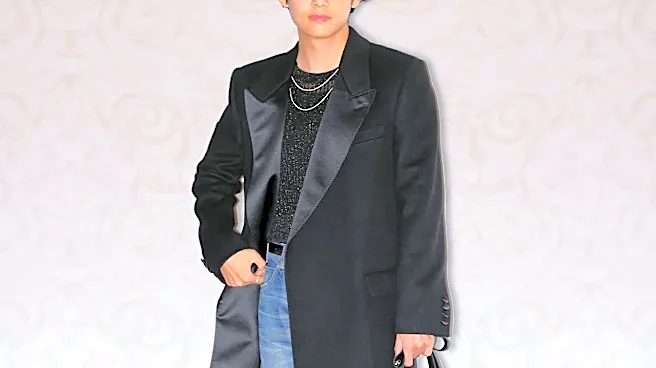
and hair experts. The gowns are often couture, custom-made for the actor's body, or loaned directly from a designer's runway archive—like Issa Rae in archival Marc Bouwer. The jewelry is typically borrowed and worth more than a house. To view these outfits as items to simply add to a cart is to misunderstand their purpose. They are art, performance, and marketing rolled into one—a beautiful spectacle that has little to do with the practicalities of a 9-to-5 job or a weekend brunch.
The Dangerous Speed of 'Get the Look'
The desire to instantly replicate a celebrity's outfit fuels the fast-fashion industry. Within days, sometimes hours, of a star like Lily-Rose Depp wearing a Chanel runway piece, affordable knockoffs appear online. This cycle has a significant environmental cost. The fashion industry is already a major contributor to global emissions and wastewater. The pressure to produce lightning-fast trends leads to low-quality garments, unethical labor practices, and a throwaway culture where clothes end up in landfills after only a few wears. Treating a custom Louis Vuitton velvet look, like the one worn by BLACKPINK's Lisa, as something to be cheaply duplicated devalues the original craftsmanship and feeds a system that is fundamentally unsustainable.
It's Killing Personal Style
When fashion becomes a game of imitation, personal expression is the first casualty. The pressure to conform to algorithm-approved trends can be immense, leading to a landscape where everyone starts to look the same. This phenomenon, sometimes called "copycat culture," is amplified by social media, where the goal often shifts from developing a unique identity to flawlessly replicating an influencer's or celebrity's curated image. Instead of using a look—say, Naomi Watts in a bold Celine gown—as inspiration for incorporating a dramatic silhouette into our own wardrobe, we hunt for the exact item or a cheap duplicate. This robs us of the creative process of dressing: mixing, matching, and adapting ideas to fit our own bodies, lives, and personalities.
Finding Inspiration, Not a Prescription
The alternative isn't to ignore the red carpet entirely. It's about shifting our mindset from imitation to inspiration. Admire the mossy chartreuse of a custom Louis Vuitton dress on Chase Infiniti and consider how to work that color into your own palette. Appreciate the way Jodie Comer's classic black dress with a plunging neckline balances elegance and drama, and think about how those principles apply to your own formalwear. The most stylish individuals don't copy; they interpret. They borrow a mood, a color story, or a silhouette and filter it through their own unique lens. True style isn't about having a closet full of celebrity-approved items; it’s about building a wardrobe that tells your own story, not someone else's.