




The Case For: Understated Elegance
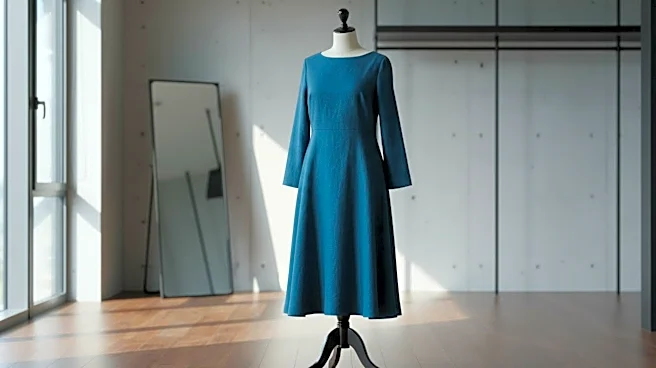
For many designers, the midi dress is the epitome of modern sophistication. Its length, which typically falls anywhere between the knee and the ankle, strikes a perfect balance between the formality of a long gown and the casual feel of a shorter style.
Proponents argue that it offers a demure elegance that feels both polished and practical. The length is seen as inherently chic, suitable for everything from the office to a wedding. It provides coverage and comfort, allowing for ease of movement without the potential awkwardness of a mini or the cumbersome nature of a maxi. This versatility is its greatest strength; it’s a canvas that can be dressed up with heels or down with sneakers, making it a commercial dream and a wardrobe workhorse. From a design perspective, it also allows for a focus on footwear, turning shoes into a key part of the total look.
The Case Against: The Proportionality Problem
The core of the disagreement lies in one tricky word: proportion. Critics of the midi argue that its hemline is notoriously difficult to get right. A hem that ends at the widest part of the calf can visually shorten the leg, creating a frumpy or awkward silhouette, especially for petite individuals. This has been a long-standing concern; when the style was pushed heavily in the 1970s, many women protested, feeling it was less flattering than the miniskirts they had grown to love. The challenge for designers is that a successful midi depends heavily on the wearer's height and body shape, as well as their shoe choice. A flat shoe with the wrong midi can instantly kill the elegance the dress is supposed to project. This makes it a risky proposition, as a single design might look fabulous on a runway model but fail on a broader range of customers without careful styling.
The Commercial Reality
Beyond pure aesthetics, the debate is also commercial. Retailers and brands adore the midi because its versatility translates to sales. It appeals to a wide demographic, from young women looking for a cool, contemporary style to older customers seeking elegance and coverage. Historically, the midi length gained prominence during the 1940s partly due to fabric rationing, making it a practical choice. That practicality continues today. It’s office-appropriate, event-ready, and seasonless, giving it a longer shelf life than more trend-driven pieces. However, designers who pride themselves on creating a perfect, uncompromising silhouette can be wary. They know that a poorly-proportioned midi on a customer reflects badly on their label. The tension exists between creating a universally sellable item and upholding a specific, often more exacting, design vision.
The Modern Compromise
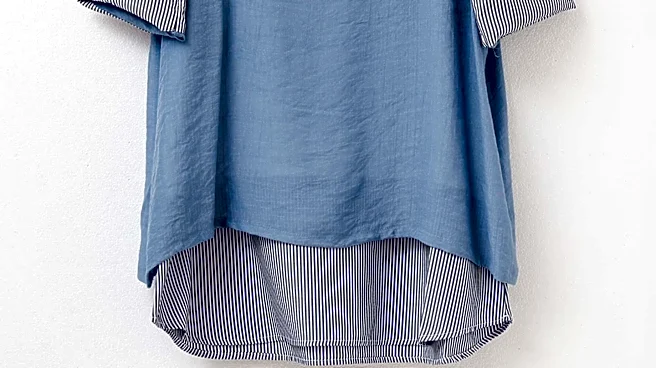
Today, most designers have found a middle ground, effectively ending the old debate by reinventing the midi itself. The modern midi is not a single, rigid length. Designers now strategically use high-low hems, asymmetrical cuts, and side slits to break up the harsh horizontal line of the hem. Silhouettes like the A-line, wrap dress, and fit-and-flare have become popular midi styles because they create a defined waist, which helps balance proportions for many body types. Fabric choice is also key; fluid materials like silk or soft knits drape over the body gracefully, avoiding the boxy look that a stiffer fabric might create. By manipulating cut, fabric, and hemline details, designers have transformed the once-tricky midi into one of the most genuinely versatile and flattering garments in contemporary fashion, proving that both sides of the argument had a point.