


The Runway as a Concept Car
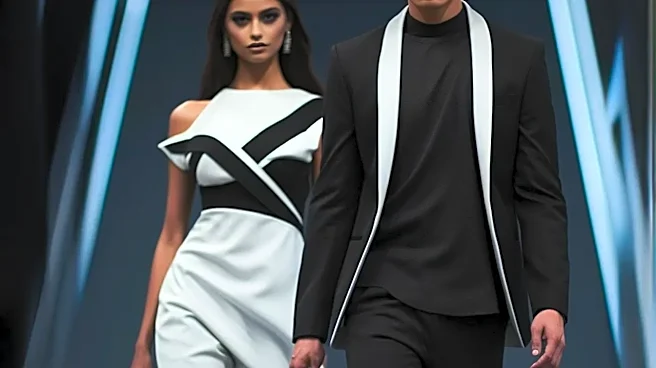
Think of a high-fashion runway show less like a department store catalog and more like an auto show. When a car company unveils a concept car with absurd butterfly doors and a holographic dashboard, no one expects to see that exact model at their local
dealership next week. Instead, it’s a vehicle for ideas. That concept car is meant to signal the brand's future direction, test new technologies, and showcase its most forward-thinking designs. The sleek curve of a headlight or an innovative interior fabric might appear in their consumer models three years later. The runway operates in much the same way. A designer isn't necessarily trying to sell a dress made of helium balloons; they are using it as a medium to introduce a new silhouette, a color story, or a novel way of manipulating fabric. It’s a performance, an art piece, and a mission statement all in one.
Learning to Decode the Ideas
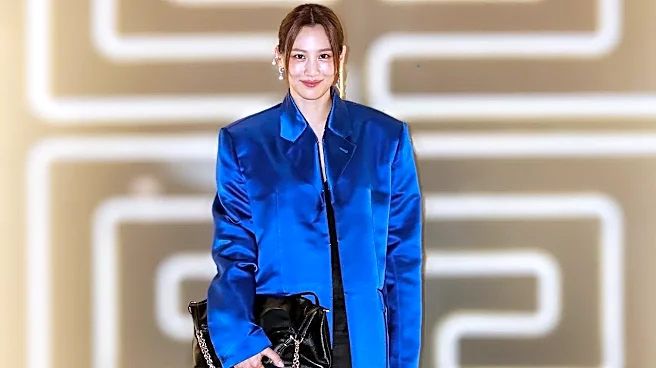
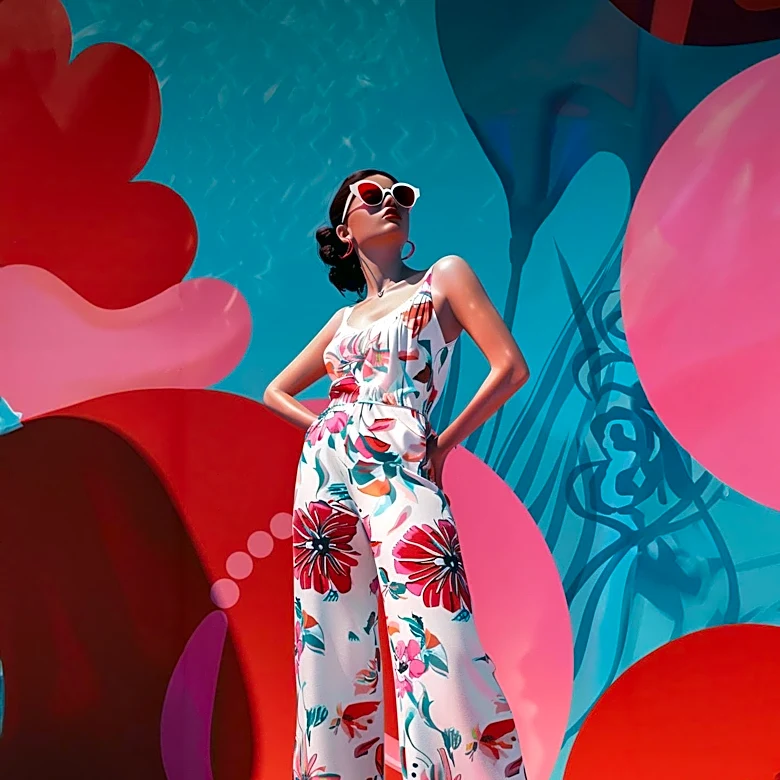
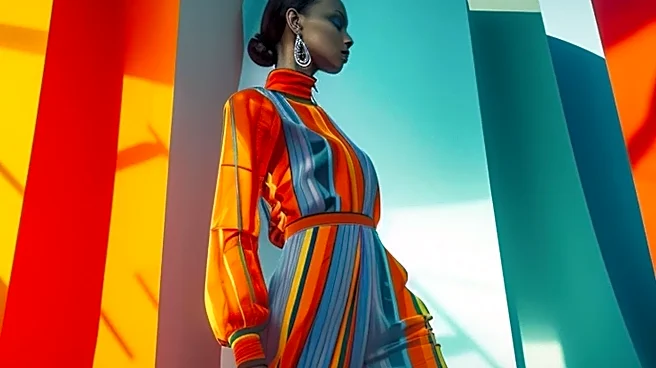
The key to understanding a runway show is to stop looking at the complete outfit and start isolating the concepts within it. Instead of seeing a model in a giant, deconstructed suit and thinking it’s unwearable, look for the core ideas the designer is presenting. Is the suit jacket an unusual shade of lilac? That color might become the must-have hue of next spring. Is the shoulder radically oversized? A softer, more commercial version of that strong shoulder will likely appear in blazers at mainstream stores. Does the fabric have a strange, crinkled texture? That points to an innovation in textile treatment that could define the season. These shows are a laboratory where designers push creativity to its limits to see what new elements emerge. The final runway look is an exaggeration designed to make a single idea—a color, cut, or texture—unforgettable to the buyers, editors, and trend forecasters in the audience.
The Great Fashion Trickle-Down
Once these ideas are presented, the fashion ecosystem kicks into gear. This process is often called the "trickle-down theory," where concepts introduced by elite luxury brands are gradually adopted and adapted for wider audiences. Buyers for major department stores don't order the most extreme runway pieces; instead, they meet with the design house to select the more commercial, ready-to-wear items from the collection that were inspired by those avant-garde concepts. Simultaneously, trend forecasting agencies analyze hundreds of shows to identify overarching themes. Fast-fashion brands then rapidly translate those dominant trends—the color palettes, the silhouettes, the key details—into affordable garments. That cerulean blue sweater famously referenced in "The Devil Wears Prada" didn't appear in a clearance bin by accident; it was the end result of a long journey that began with high-fashion designers championing that specific shade on the runway seasons earlier.
From Outlandish to Ordinary
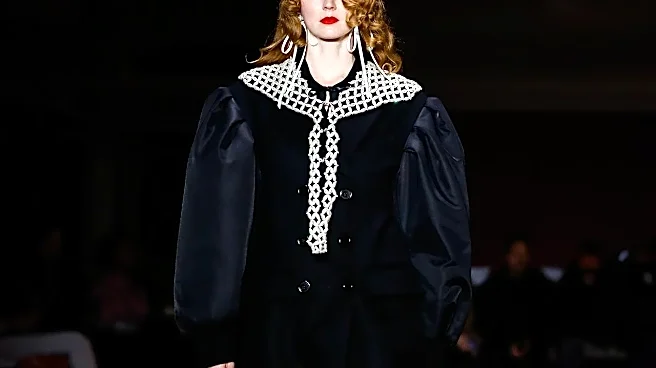
History is filled with examples of this translation. The surrealist, often shocking, designs of Elsa Schiaparelli in the 1930s introduced ideas like bold prints and statement accessories that are now fashion staples. The deconstructed, asymmetrical forms pioneered by Japanese avant-garde designers like Rei Kawakubo of Comme des Garçons in the 1980s were initially seen as radical and unwearable. Today, asymmetrical hemlines and intentionally distressed fabrics are commonplace. A more recent example is the rise of voluminous, puffed sleeves. Initially appearing in exaggerated forms on couture runways, the silhouette was softened and incorporated into blouses, dresses, and sweaters at every price point, becoming one of the most dominant trends of the last decade. These once-impractical ideas become so integrated into our collective wardrobe that we forget they ever seemed strange.