




An Empire on the Brink
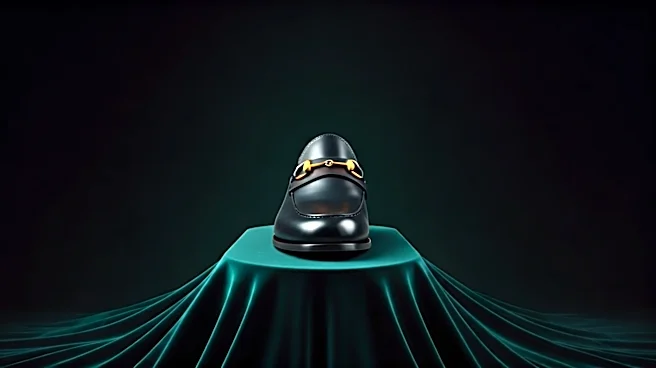
Before Tom Ford, Gucci was a ghost. The iconic double-G logo, once a symbol of jet-set luxury, had been diluted to death through decades of reckless licensing. You could find it on everything from ashtrays to toilet paper. The brand that once shod Audrey
Hepburn was now teetering on the edge of bankruptcy, a punchline in the elite circles of high fashion. By the early 1990s, the company was hemorrhaging money, its image cheapened and its future uncertain. The prevailing mood wasn’t just pessimistic; it was funereal. Gucci needed more than a new collection; it needed a resurrection.
The Texan's Radical Vision
Enter Tom Ford. An ambitious, handsome, and relatively unknown American designer who had joined the crumbling house in 1990. By 1994, he was promoted to Creative Director, a title that came with immense pressure and a near-impossible mandate: make Gucci relevant again. Ford’s vision was a direct assault on the prevailing aesthetic of the day. While the rest of fashion was obsessed with waifish, grunge-inspired minimalism, Ford envisioned something else entirely. He wanted to bring back sex. Not a coy, suggestive allure, but a powerful, overt, and decadent sensuality. He looked back to the 1970s, a decade of hedonism and high glamour, for inspiration. It was a massive gamble. In a world of beige and black, he was proposing jewel tones, velvet, and a confidence that bordered on arrogance.
The Show That Changed Everything
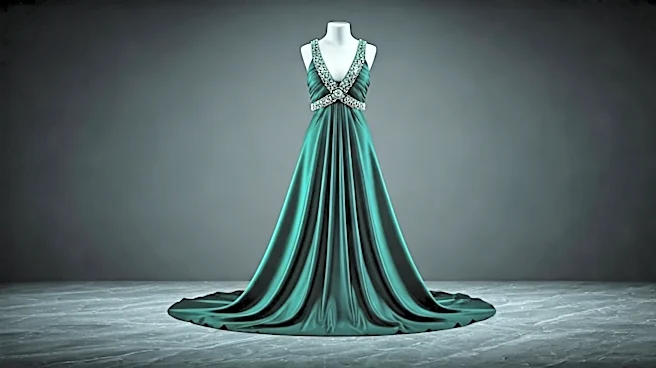
The Gucci Fall/Winter 1995 show was the moment of truth. The collection that walked the runway was a shock to the system. Models stormed out in deep-blue velvet hip-huggers, blouses unbuttoned to the navel, and slinky satin shirts in shades of peacock and magenta. The styling, masterminded by the visionary Carine Roitfeld, was crucial. Hair was styled in a glossy, almost wet look, and makeup was dark and smoldering. The entire presentation screamed a kind of dangerous, adult sophistication that had been absent from fashion for years. It was less about the clothes as individual items and more about the feeling they evoked: power, desire, and a complete rejection of victimhood. This wasn't the girl next door; this was the woman who owned the nightclub.
The Aftermath and the Legend
The reaction in the room was electric. According to fashion lore, there was a moment of stunned silence, followed by a roar of applause that felt like a dam breaking. Editors, buyers, and critics knew instantly that they had witnessed not just a great collection, but a paradigm shift. The show was a commercial and critical atom bomb. Orders flooded in. Stores couldn't keep the pieces in stock. Celebrities from Madonna to Gwyneth Paltrow were suddenly seen exclusively in Gucci. That single, seventeen-minute presentation reversed the company’s fortunes almost overnight. In the year following the show, Gucci’s sales increased by a staggering 90 percent. Ford, along with CEO Domenico De Sole, had pulled off one of the greatest turnarounds in business history. But more than that, he had created a new template for luxury: a brand built around a single, powerful, and intensely sexy point of view. He became not just a designer, but fashion's first true rockstar creative director, a cultural icon in his own right.