






1. Master the Arena Setup
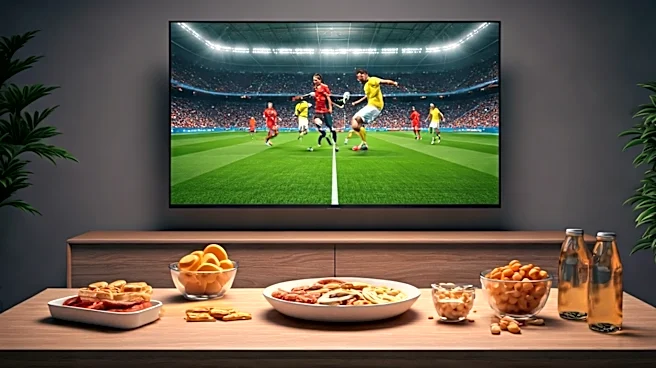
Before a single guest arrives, you need to think like a stadium architect. The TV is your field of play, and everyone needs a good view. Avoid a setup where latecomers are craning their necks from the kitchen. Arrange couches, chairs, and even floor pillows
in a way that maximizes sightlines. If you have two screens, consider putting one on mute in a secondary area for the more casual viewers who want to chat. Also, test your broadcast feed an hour before kickoff. Nothing kills the mood faster than a frantic, last-minute scramble to find the right channel or fix a lagging stream.
2. Deploy a Graze-Friendly Menu
A World Cup match is a 90-minute emotional rollercoaster with a brief intermission. This is not the time for a formal, sit-down meal that requires knives and forks. Your culinary strategy should be built around grazing. Think finger foods: sliders, pigs in a blanket, a robust chip-and-dip station, mini-quiches, and maybe a fruit platter. The key is that guests can grab something and eat it with one hand while clutching their head in agony with the other. A slow cooker full of chili or queso is a pro move, as it stays warm and requires zero active management once the game starts.
3. Establish a Self-Serve Drink Station
You are the host, not the bartender. The last thing you want is to miss a crucial goal because you were fetching someone a light beer. Set up a dedicated beverage station away from the main TV-watching area to avoid creating a traffic jam. Stock a cooler with a variety of beers, seltzers, and sodas. Have a bucket of ice, some pre-sliced limes, and a bottle opener all in one place. You can also make a large-batch cocktail (like a punch or sangria) beforehand. This frees you up to actually watch the game and ensures your guests can refresh their drinks without interrupting you.
4. Know Your Fandom Levels
Your guest list will likely include a mix of personalities: the die-hard fan who knows every player's transfer history, the casual supporter who’s just there for the vibes, and the complete novice who asks, “Why did he get a yellow card for that?” As a host, your job is to create harmony. Gently encourage the die-hards to keep their tactical rants to a low roar. Give the novices a simple, one-sentence primer on the stakes before the game. Creating a space where everyone feels welcome, regardless of their soccer IQ, is the key to a successful party.
5. The VAR Pre-Nup: Manage the Inevitable Rage
And now, the main event. Video Assistant Referee, or VAR, is the controversial technology that stops the game to review goals, penalties, and red cards. It’s a guaranteed passion-inflamer. You cannot prevent a bad call, but you can manage the reaction. Before the match, make a lighthearted announcement: “Friends, we know VAR is going to make at least one terrible decision. Let’s agree to yell at the screen, not at each other. All referee complaints are valid for 60 seconds, then we move on.” This humorous “pre-nup” sets a tone of shared frustration rather than internal conflict. It acknowledges the absurdity and unites the room against a common, inanimate enemy: the replay official in a room miles away.
6. Use Halftime as a Pressure Valve
The 15-minute halftime break is a gift. Use it to reset the energy in the room. If the game is tense, this is the perfect time to break the spell. Turn up some music, encourage people to step outside for fresh air, and refresh the food platters. It’s also a great time to engage the casual fans who might have felt excluded during the first-half intensity. Ask them what they think, make a few jokes, and guide the conversation away from intricate tactical debates for a few minutes. This brief social reset can make the second half feel much more relaxed, even if the on-field action is anything but.