




First, What Is an Outfit's 'Main Idea'?
Think of every outfit as telling a short story. The main idea—or focal point—is the star of that story. It's the first thing that catches the eye and sets the tone. Is it a boldly patterned dress? A sharply tailored blazer? Maybe it’s a pair of vibrant
red trousers? That standout piece is your main idea. Everything else, including your accessories, should be part of the supporting cast. The goal is to create a look that feels harmonious and intentional, where all the elements work together to support that star performer. Without a clear focal point, an outfit can feel jumbled and lack impact.
The Mistake: Creating Visual Competition
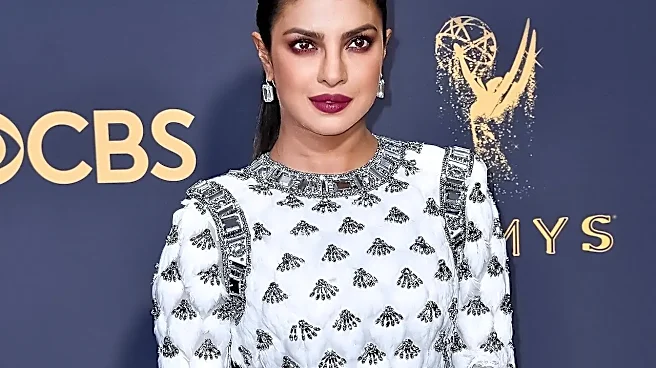
The single biggest accessory mistake is choosing pieces that fight your outfit for the spotlight. This happens when an accessory is so loud, large, or ornate that it distracts from, rather than enhances, the clothing. Imagine wearing a dress with intricate floral embroidery and adding a large, geometric statement necklace. Both are beautiful on their own, but together they create visual noise. Your eye doesn't know where to land. This is a battle for attention, and in styling, it's a battle you never want. The goal is balance; if one element is complex, the other should provide visual rest.
The Telltale Sign: Too Many Stars
How can you tell if your accessories are competing? Look in the mirror and notice where your eyes go. Do they dart between your oversized earrings, your chunky bracelet, your patterned handbag, and your embellished shoes? If so, you have too many focal points. A well-styled outfit guides the eye smoothly. A cluttered one makes it jump around. Coco Chanel’s famous advice to take one thing off before leaving the house is rooted in this principle. It's not about minimalism for its own sake; it's about editing to ensure there is one clear star of the show.
The Fix: Establish a Visual Hierarchy
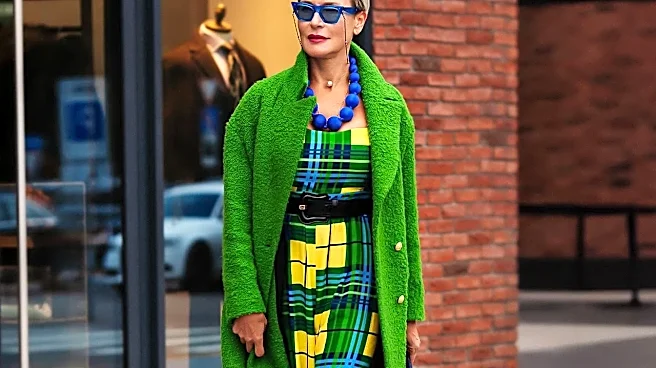
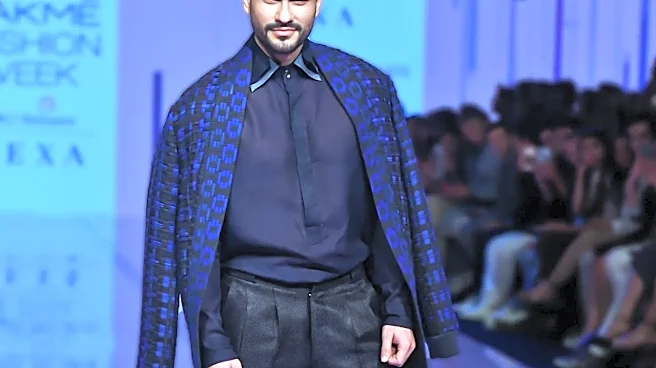
The solution is to establish a clear visual hierarchy. Decide what you want to be the hero of your outfit. If it's the clothing—like a bright, colorful dress—then your accessories should be more subdued. Think neutral shoes, a simple handbag, and delicate jewelry. Conversely, if you want an accessory to be the star, build a simple outfit around it. A plain white t-shirt and jeans become the perfect canvas for a bold statement necklace or a stunning designer bag. By consciously choosing a leader and supporting players, you create a look that feels cohesive and confident.
Strategy: The 'One Statement' Rule of Thumb
A simple way to practice this is the "one statement" rule. For any given outfit, allow yourself only one major statement accessory. This could be a pair of dramatic earrings, but not with a bold necklace. It could be an attention-grabbing belt that cinches your waist, but perhaps with a more understated bag. This forces you to be intentional. Ask yourself what job you want the accessory to do. Do you want to draw attention to your face? Elongate your neckline? Add a pop of color? Assigning a purpose to your statement piece ensures it adds to the story instead of rewriting it.
It's Not Just About Boldness, But Mood
This principle isn't just for bold pieces. Even subtle accessories can compete if their mood or style clashes with the outfit. For example, a sporty digital watch can feel jarring with an elegant silk dress, just as delicate pearl earrings might feel out of place with a rugged, utilitarian jacket. Accessories should always match the occasion and the overall feeling of your clothes. Thinking about cohesion in terms of formality, texture, and style is just as important as managing visual weight.