




The Best Kept Secret in the Rockies
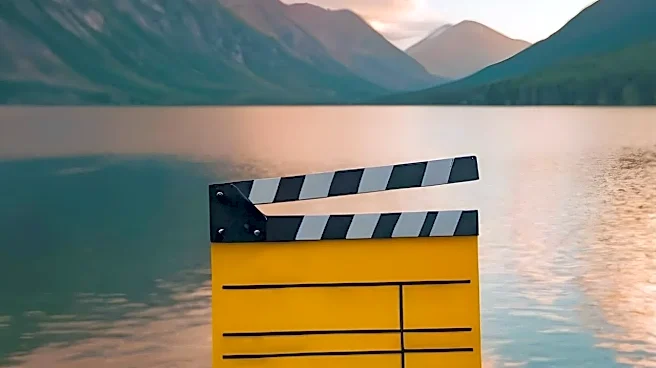
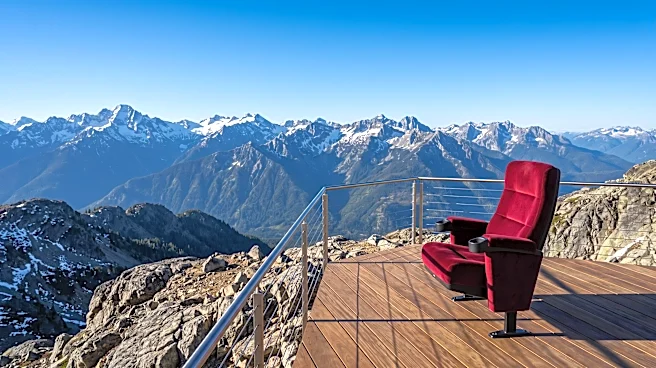
Unlike Venice with its grand red carpets or Toronto with its sprawling, public-facing schedule, Telluride operates on a different frequency. For over 50 years, it has cultivated a reputation built on discovery and mystique. The core tradition: the program
of more than 50 films is not announced until the festival begins. Attendees buy passes, book flights, and travel to the remote mountain town without knowing what they will see. It’s a festival designed not as a competition or a market, but as a pure celebration of cinema. This intentional secrecy creates an environment where the focus is entirely on the art form itself, fostering an intimate community where you might discuss a film in a coffee line with the director who made it.
The Agony of Choice
The moment the program guide drops is a scene of organized chaos. Festival-goers huddle together, frantically trying to piece together a schedule. Do you prioritize the world premiere from a famous director, a restored classic, or the slot simply labeled “TBA”? This is the central gamble of Telluride. Those “To Be Announced” screenings are often where the festival hides its biggest surprises—films set to have their “official” premieres at other festivals days later. Faced with a dizzying array of choices and limited time, it’s easy to stick to the familiar. The human impulse is to hedge your bets on a known quantity, a filmmaker you already admire or a title that has some pre-festival buzz from Europe. And in doing so, you might walk right past a masterpiece in the making.
Anatomy of a Sleeper Hit
Telluride’s history is littered with stories of films that arrived as question marks and left as legends. Films like Moonlight, Juno, Slumdog Millionaire, and The King's Speech all debuted to the surprise of festival-goers. Moonlight, for example, had its world premiere in a high school auditorium and went on to win the Academy Award for Best Picture. These aren’t just successful films; they are cultural moments that began with word-of-mouth buzz echoing through the town’s thin mountain air. A screening in the afternoon might start half-full, but by evening, the line for the next showing snakes around the block because those first viewers have become evangelists. This organic groundswell is the Telluride magic. It's proof that a film, stripped of marketing and hype, can find its audience on pure merit.
The Joy of Missing Out
So why does this dynamic make the festival experience richer? Because it forces a different kind of viewership. Instead of methodically checking off a list of predetermined hits, you’re on a treasure hunt. Sometimes you miss a gem. That’s inevitable. But the film you see instead—the small, unheralded documentary you picked because the timing worked, or the foreign-language drama you knew nothing about—might just be the one that stays with you. The festival has a knack for repeating popular films based on demand, giving you a second chance at a buzzy title. But the real beauty of Telluride isn’t in seeing everything. It’s in the serendipitous discovery, the happy accident, and the conversation you have with a stranger in line about the movie that just changed your perspective. The possibility of missing the “best” film frees you to find your best film.