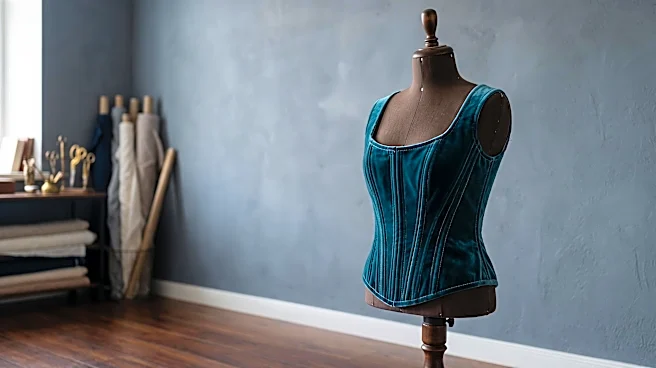



You’ve found the perfect pattern and fabric for a stunning costume bodice. But hidden within the seams lies a choice that will define its shape, comfort, and lifespan: the boning. What really separates serious spiral steel from practical plastic?
The Foundation: Support and Structure
The primary
job of boning is to provide structure, and this is where the difference between steel and plastic is most stark. Steel boning offers significantly more support. It's the material of choice for traditional corsetry because it can withstand the tension required for waist reduction and shaping, keeping the fabric taut and preventing wrinkling. Plastic boning, while capable of holding a shape, provides much lighter support. It’s more suited for fashion garments where the goal is gentle shaping rather than significant cinching. When put under high tension, such as in a tightly laced bodice, basic plastic boning can bend, warp, or even snap over time, which can create uncomfortable kinks in the garment.
In Motion: Flexibility and Comfort
While newcomers often assume plastic is more comfortable due to its softness, the reality is more complex. Spiral steel boning, made from flattened steel coils, is engineered to be flexible in multiple directions. This allows it to follow the body's curves, bending with you as you move, making it a favorite for dancers and performers who need both support and mobility. In contrast, most standard plastic boning only bends easily in one direction. When you sit or bend, plastic bones can develop permanent creases that dig into the body, whereas steel springs back into shape. High-quality plastic boning, often called synthetic whalebone, offers a better experience, molding to the body with heat and providing flexibility that is excellent for historical reproductions.
Built to Last: Durability and Longevity
When it comes to durability, steel is the clear winner. It's a robust material designed to handle years of stress without losing its shape or breaking. Plastic boning is less durable and can become brittle or permanently bent with extended wear and improper storage. A broken plastic bone can even poke through the fabric channel, creating a sharp and potentially dangerous point. For a costume intended for a single event or occasional light use, plastic may suffice. But for a garment you plan to wear repeatedly, especially for active events like conventions or performances, investing in the durability of steel will ensure your bodice maintains its intended structure and appearance for much longer.
The Maker's Choice: Cost and Ease of Use
For the home sewer, this is often a deciding factor. Plastic boning is generally cheaper and easier to work with. Many types, like German plastic boning or synthetic whalebone, can be cut with sturdy scissors and the ends smoothed with a file, making customization simple. Spiral steel, on the other hand, requires specialized tools. You'll need wire cutters to trim it to length and then must apply metal caps to the ends to prevent the sharp wires from fraying and poking through your fabric. These extra steps and tools can add to both the cost and complexity of a project, which might be intimidating for a beginner.
The Verdict: Which Should You Choose?
The right choice depends entirely on your project's demands. Choose plastic boning for: lightweight fashion bodices, garments that won't be tightly laced, children's costumes, or when budget and ease of use are your top priorities. It provides shape without the rigidity or weight of steel. Choose spiral steel boning for: historical corsets, waist-training garments, bridal wear requiring firm support, or any high-quality costume piece intended for frequent use. Its combination of strength and multi-directional flex provides a superior fit and professional finish that plastic can't replicate. Many experienced corset makers use a combination, employing rigid flat steel boning at the back lacing panel and flexible spiral steel along the curved seams for the perfect blend of support and comfort.