



The Fantasy of the Runway
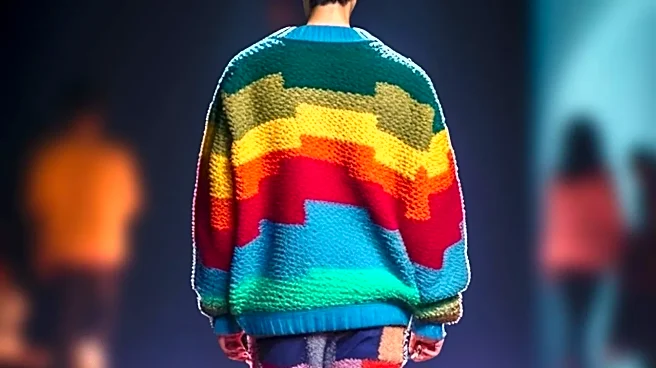
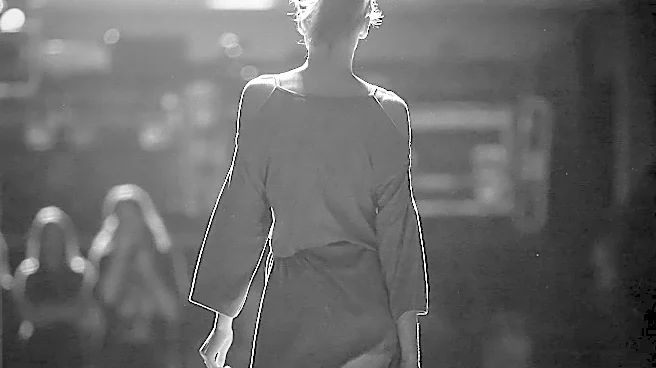
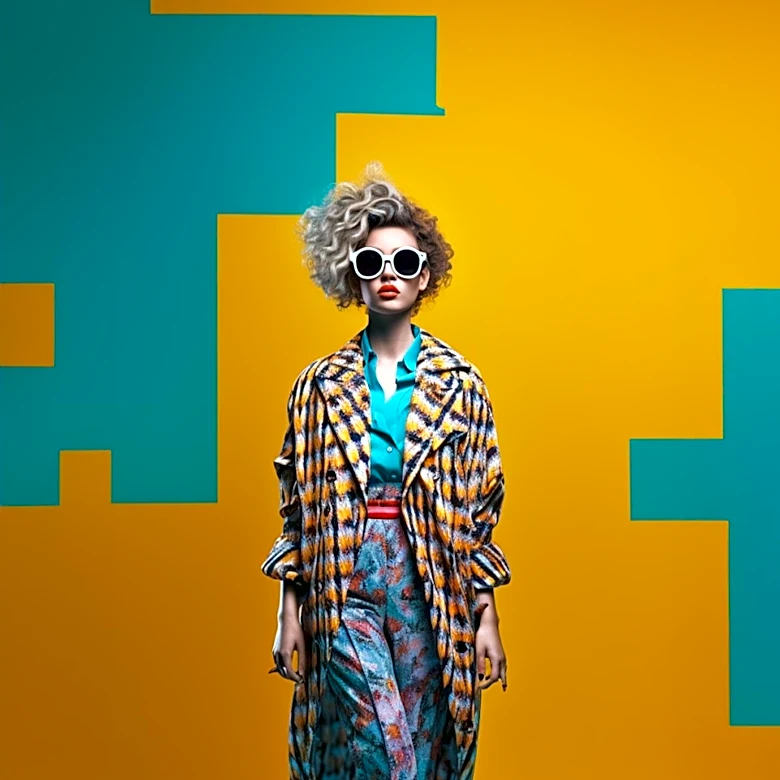
Let’s be honest: most runway fashion isn't designed for real life. It’s performance art, a concept car for the body. Garments are often constructed for a single, controlled environment: a straight walk on a flat surface. They rely on precise styling,
pinning, and proportions that collapse the second you try to sit, bend, or hail a cab. The disconnect is intentional. High fashion aims to create a fantasy and sell an idea, not necessarily a closet full of wearable clothes. Yet, the message that trickles down is that these shapes are the new standard, creating a frustrating gap between what is shown and what can actually be worn. The industry often promotes an aesthetic ideal that is impossible for the majority of its own consumers to achieve.
The Acceleration of the Trend Cycle
It used to take months for a trend to move from the runway to the mainstream. Now, thanks to social media platforms like TikTok and Instagram, that cycle has been compressed to weeks or even days. An aesthetic like “Mob Wife” or “Eclectic Grandpa” can dominate feeds for a month and feel dated by the next. This frantic pace is psychologically taxing and financially unsustainable. It’s driven by algorithms that reward novelty and viral moments, creating a constant pressure to keep up with what’s new. The result is what many consumers are now calling “trend fatigue”—a general exhaustion from the hamster wheel of micro-trends that encourages disposable consumption rather than lasting style.
The Case for Personal Style
There is a powerful alternative to chasing trends: developing personal style. Instead of asking “What’s in fashion?” you start asking, “What feels like me?” Personal style is not about rejecting fashion entirely, but about curating it. It’s about understanding which silhouettes, colors, and fabrics make you feel confident and comfortable, regardless of their current trend status. Someone with a strong sense of personal style might incorporate a trend as an accent, but it never becomes the foundation of their wardrobe. This approach builds confidence because the clothing feels like a natural expression of identity rather than a costume. It's about building a wardrobe that tells your story, piece by piece.
Building a Wardrobe That Lasts
Shifting your focus from trends to personal style changes how you shop. It encourages more mindful consumption, prioritizing quality and versatility over novelty. You start to recognize the silhouettes you always reach for, the colors you feel most powerful in, and the pieces that seamlessly transition through different parts of your day. This doesn't mean your style becomes static; it evolves with you, reflecting your life experiences. The goal is to build a core wardrobe of items you genuinely love to wear, which ultimately saves you money and reduces closet frustration. Authenticity, after all, is the one thing that never goes out of style.