



The Anatomy of a 'Comfort' Show
Before we go further, let's define the terms. A "comfort series" isn't just a rerun of a '90s sitcom. It's a broader category of television that offers predictability, low stakes, and a sense of emotional safety. Think of long-running procedurals like
"Law & Order," now in its 26th season, or its spinoff "SVU" entering its 28th. You know the structure: a crime is committed, investigated, and solved within the hour. The same goes for competition shows like the 30th season of "The Voice" or the 39th season of "The Amazing Race." Even new shows can fit the mold. A series built on a familiar, repeatable format—be it a workplace comedy, a medical drama, or a baking competition—qualifies as a comfort show. It’s television that doesn’t ask you to do much emotional or cognitive work; it's simply there to be a reliable, soothing presence.
The Psychology of Predictability
So, why are we so drawn to these shows? The answer lies in our psychology. In times of stress and uncertainty, the human brain craves familiarity. This is a phenomenon known as the "mere exposure effect," where repeated exposure to something makes us like it more. When you rewatch a show or tune into a predictable format, your brain already knows the emotional payoff and doesn't have to work to process new information, which can reduce anxiety. The narrative is safe; there are no jarring twists or devastating cliffhangers you aren't prepared for. This act of watching something familiar provides a sense of control and stability in a world that often feels chaotic. It’s a low-effort form of self-care, allowing our minds to relax and recharge.
The Business of Coziness
For television executives, this psychological need translates into a sound business strategy. In the age of "Peak TV," where hundreds of shows compete for attention, launching a wholly original concept is a massive financial gamble. Reboots, spin-offs, and shows built on proven formulas come with a built-in audience and a lower risk profile. It's far easier to market the 15th season of "Chicago Fire" or a spin-off like "Georgie & Mandy's First Marriage" than it is to convince viewers to invest in an entirely new universe. These franchises are durable, generating reliable ratings and, crucially, creating vast libraries of content that keep viewers subscribed to streaming services. Tapping into nostalgia is a powerful marketing tool, and a familiar title is one of the few things that can cut through the noise of a saturated media landscape.
Fall 2026: A Season Built on Familiar Ground
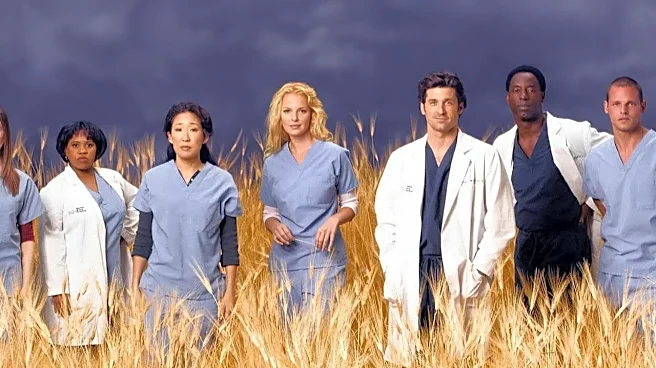
A quick look at the fall 2026 schedule confirms this trend. Legacy franchises are expanding and returning in force. Viewers will see the 10th season of "9-1-1," the 23rd season of "Grey's Anatomy," and the 38th season of "The Simpsons." The reality and competition slate is also packed with reliable performers, including new seasons of "Survivor," "Dancing with the Stars," and "Shark Tank." Even one of the splashy new broadcast titles, NBC's "The Traitors: New Blood," is a spin-off of a successful Peacock reality series, betting that a known format with regular people will be an easy entry point for audiences. From long-running animated comedies on Fox to the procedural-heavy lineups on CBS and NBC, the message is clear: the networks are prioritizing the dependable over the daring.