
The Illusion of Perfect Sound
The single biggest mistake that makes a festival livestream feel lifeless is an over-reliance on the direct soundboard feed. On paper, it makes sense. The soundboard, or mixing console, is the central hub where audio engineers get the 'purest' sound from
every microphone and instrument on stage. Pulling the audio directly from here gives you a crystal-clear, studio-quality mix of the performance, free from wind, chatter, and other environmental noise. For an audio engineer, it’s the ultimate in control and clarity. The problem? A live festival performance isn’t supposed to sound like a studio album. It’s a messy, chaotic, and shared experience. That pristine soundboard feed captures the music perfectly but completely misses the point of the event itself.
The Missing Secret Ingredient: The Crowd
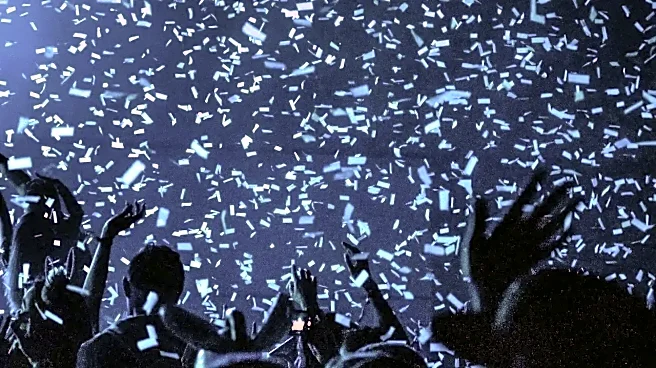
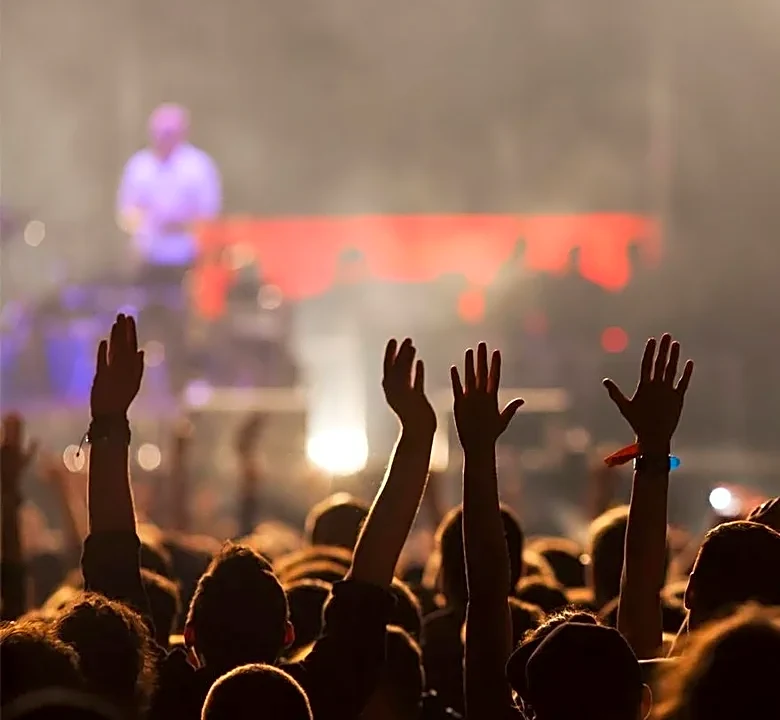
What makes a legendary festival set? It’s not just the artist; it’s the symbiotic energy exchange between the stage and the audience. It’s the roar when a beloved song starts, the massive singalongs during the chorus, the collective gasp at a surprise guest, and the deafening applause at the end. The soundboard mix, by its very nature, is designed to eliminate all of that. What you’re left with is a recording of a band playing in a vacuum. You see a sea of people reacting, but you only hear the isolated performance. This creates a bizarre sensory disconnect for the viewer at home. Your eyes see a massive, vibrant event, but your ears hear a private, sterile recording. Without the sound of the crowd, the performance lacks stakes, atmosphere, and the raw, unpredictable energy that makes live music so compelling. In essence, the livestream is capturing the performance, but failing to capture the event.
Why Does This Keep Happening?
Producers default to the soundboard feed for a few reasons. Firstly, it’s the easiest and most reliable way to get clean audio. Capturing quality crowd noise is difficult and requires a more complex setup. Secondly, artists and their teams often want to present the most polished version of their music possible, and they have final say. They might fear that audience noise could overpower the vocals or make the mix sound muddy. While some broadcasts show a mix of on-stage and crowd perspectives, the audio often remains anchored to the direct feed, with little to no audience sound blended in. Some Reddit users watching major festivals have frequently complained about this disconnect, noting that vocals can sound drowned out or the overall energy feels off compared to being there in person. This priority on sonic perfection sacrifices the authenticity of the live experience.
The Art of the Ambient Mix
The solution isn’t to abandon the soundboard feed, but to treat the crowd as another instrument in the mix. The best livestreams—the ones that make you feel like you’re almost there—use a thoughtful blend of the direct feed for clarity and strategically placed ambient microphones to capture the audience. These 'crowd mics' are set up to record the roar, the singing, and the general atmosphere of the festival grounds. When an audio engineer skillfully blends this ambient audio into the main broadcast mix, the result is transformative. Suddenly, the clean vocals and instruments are enveloped in the energy of the space. You hear the fans sing along, you feel the explosion of applause, and the entire performance gains a sense of scale and life. It bridges the gap between watching a recording and experiencing an event, making the viewer at home feel like a participant rather than just an observer.