




There’s Too Much Diving!
This is the classic, the original, the number one complaint lobbed from the American sports barstool. To the casual fan, a grown athlete rolling on the ground after minimal contact looks absurd. In a country that glorifies playing through pain in sports like
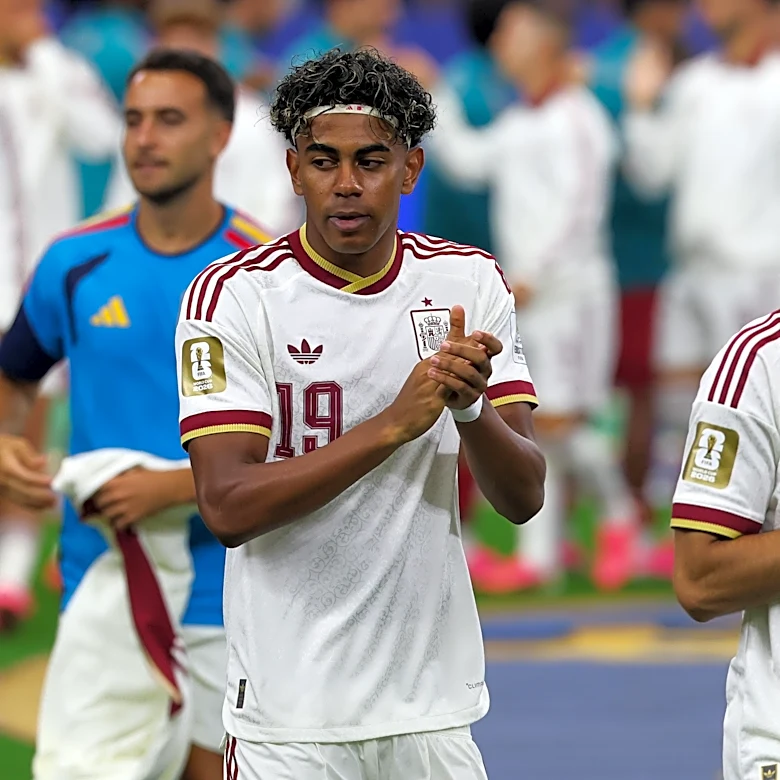
football and hockey, the theatrics can feel like a violation of an unspoken code. The truth is more nuanced. Yes, some players absolutely use simulation to deceive referees, an act that frustrates dedicated fans, too. But soccer is a game of fine margins played at incredible speed, and a slight nudge at the right moment can send a player tumbling. What looks like a dive is often a player trying to draw the referee's attention to a legitimate foul that might otherwise be missed. It's a part of the game's strategy, for better or worse.
Penalty Shootouts Are a Terrible Way to Decide a Game
After 120 minutes of grueling, tactical battle, reducing the outcome to a series of one-on-one shots feels anticlimactic and unfair. It’s the equivalent of deciding the Super Bowl with a field goal competition. This take often comes from a place of wanting the “better team” to win based on the flow of the game. Hardcore fans often share this sentiment; seeing a season's or a tournament's worth of effort hinge on what feels like a coin toss can be brutal. The problem is, there are no perfect solutions. Endless extra time leads to player exhaustion and injury risk. The shootout, while imperfect, is a high-pressure, psychologically intense test of skill under extreme duress. It may not feel like team soccer, but it is undeniably dramatic television.
Why Isn’t [Insert Superstar] Scoring More?
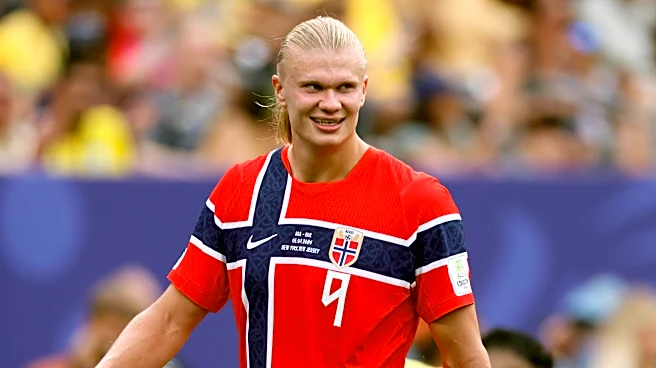
Every tournament, a global superstar becomes the target of this critique. They’re the most famous player, their face is on all the commercials, yet they only have one or two goals deep into the tournament. The casual viewer, accustomed to sports where the best player often dominates the box score, sees this as a failure. In reality, a superstar's impact in soccer can't always be measured in goals. Their presence alone warps defenses, creating space for other attackers. They might be tasked with a deeper playmaking role, initiating attacks that lead to assists or 'the pass before the pass.' A forward who draws two or three defenders every time they touch the ball is doing an immense service to their team, even if they aren’t the one putting the ball in the net.
It’s Boring, There’s Not Enough Action
The 0-0 or 1-0 scoreline is a tough sell for many American fans accustomed to the constant scoring of basketball or the explosive plays of football. This take fundamentally misses where the “action” in soccer lies. The game's tension isn’t just in the goals; it's in the build-up, the tactical chess match, and the near-misses. A brilliant defensive tackle to stop a breakaway, a perfectly weighted pass that unlocks a defense, or a goalkeeper's acrobatic save are as much a part of the action as a goal. Long periods of possession that seem to go nowhere are often about probing for weaknesses and controlling the game's tempo. For seasoned fans, a goalless draw can be a fascinating display of tactical discipline and defensive grit.
This Offside Rule Is Just Plain Stupid
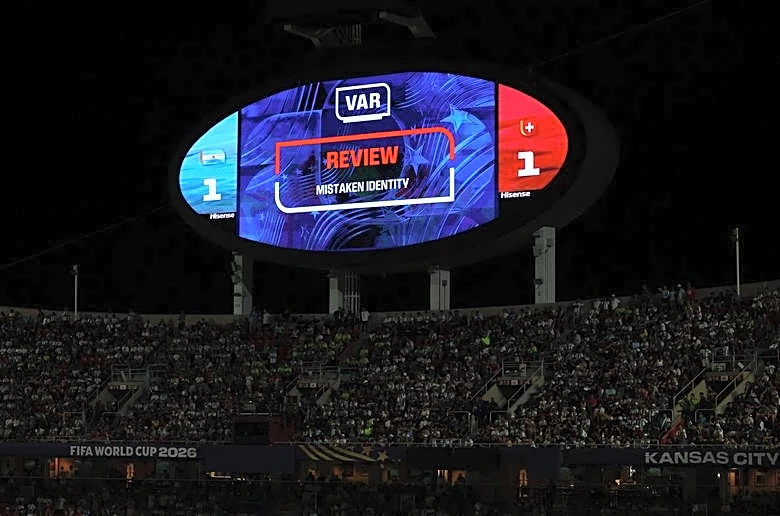
A thrilling goal is scored, the crowd erupts, and then… the flag goes up. The goal is disallowed for something called offside, leaving newcomers baffled and frustrated. The rule states that an attacking player must have at least two defenders (one is usually the goalkeeper) between them and the goal when the ball is played to them. It sounds complicated, but its purpose is simple: to prevent attackers from just camping out in front of the opposing goal, waiting for a long pass. Without it, the strategic element of building an attack and breaking down a defense would vanish, turning the game into a less dynamic and more chaotic affair. It forces teams to rely on skillful movement and precise timing, which are core tenets of the sport.