

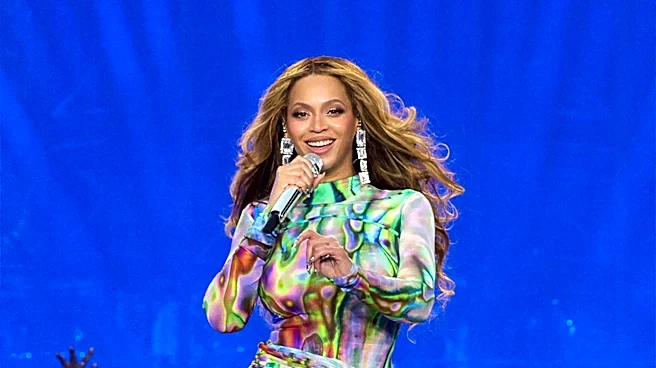
Part 1: The Vocal Foundation
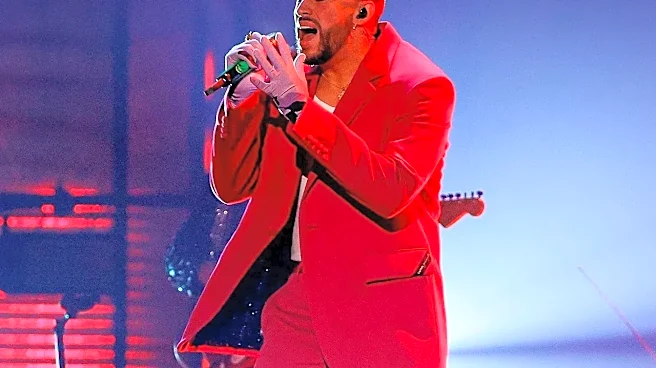
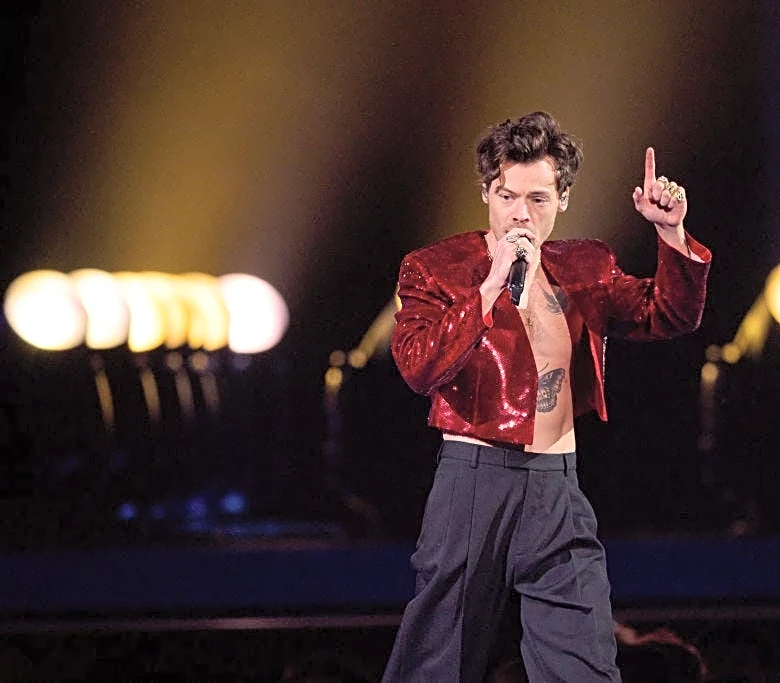
Before the lights, the dancers, or the video screens, there is the voice. For a festival artist, strong and reliable vocals are the bedrock of a great performance. There are no studio tricks or multiple takes in a field full of fans; there is only the raw
ability to deliver. It’s about more than just hitting the notes. It’s about projecting emotion, power, and clarity across a massive, open-air space, often while battling exhaustion and the elements. An artist with unshakable vocals can create intimacy even in a crowd of thousands. Think of Aretha Franklin stepping in for an ill Pavarotti at the 1998 Grammys; with minimal preparation, her sheer vocal power created a legendary moment. In a festival setting, this vocal confidence is what allows an artist to connect, whether they’re singing a high-energy anthem or a stripped-down ballad.
Part 2: The Art of Spectacle
A festival show is a visual medium. Stagecraft is the art of creating a world for the audience to inhabit for 90 minutes. This isn't just about expensive pyrotechnics; it's the intentional design of every visual element, from lighting and choreography to the artist's own physical presence. Daft Punk’s iconic pyramid at Coachella in 2006 wasn't just a DJ booth; it was a transportive piece of alien architecture that became as famous as the music itself. More recently, Beyoncé's 2018 Coachella set, dubbed "Beychella," redefined the modern standard for stagecraft. By incorporating the intricate aesthetics of a Historically Black College and University (HBCU) halftime show—complete with a full marching band and step dancers—she created a performance that was a powerful cultural statement, not just a collection of hits. It was a masterclass in turning a stage into a story.
Part 3: The Mastery of the Masses
The final, most intangible part of the test is crowd control. This is the unique alchemy that allows a single person to command the energy of tens of thousands of people. It’s a mix of confidence, charisma, and a deep understanding of pacing. The undisputed master of this was Queen's Freddie Mercury. During the band's 1985 Live Aid performance, he engaged in a spontaneous call-and-response with the 72,000-person audience. It wasn't part of a song; it was a raw, vocal exercise that united an entire stadium, turning them into a single organism responding to his lead. This is more than just yelling, "How are you feeling tonight?" It’s about making every single person, even those in the back row, feel seen. It's knowing when to bring the energy up and when to create a quiet, pin-drop moment that makes a massive field feel like a small club. An artist who has mastered crowd control isn’t just performing for an audience; they are performing with them.
Passing the Test with Flying Colors
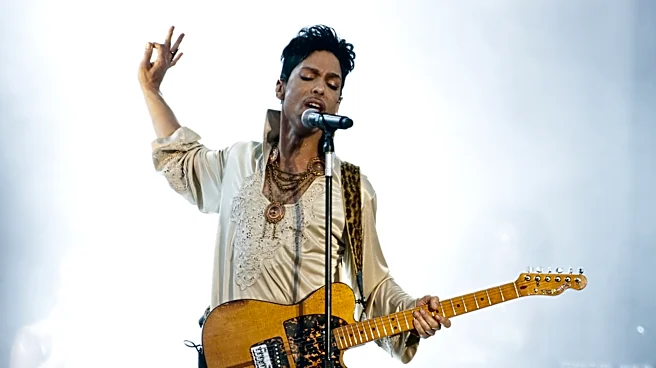
Very few artists manage to ace all three parts of the test. To do so is to ascend into the pantheon of live-performance legends. Prince's Super Bowl halftime show is a perfect example, where flawless vocals and musicianship met spectacular stagecraft (the purple silhouette, the rain during "Purple Rain") and an undeniable command of the global audience. Similarly, Beyoncé's aforementioned "Beychella" performance was a trifecta of excellence. Her vocals were powerful and tireless, the stagecraft was a historic celebration of Black culture, and her command of the audience was absolute. These are the performances that reset expectations for what a headliner can and should be. They don't just entertain the crowd; they create a cultural moment that lasts long after the final firework has faded.