






The Great Equalizer
In the tiered, status-obsessed world of modern celebrity, the soccer stadium is a remarkable leveler. An A-list actor or chart-topping musician might have better seats, but when the game is on, they are subject to the same gut-wrenching tension and helpless
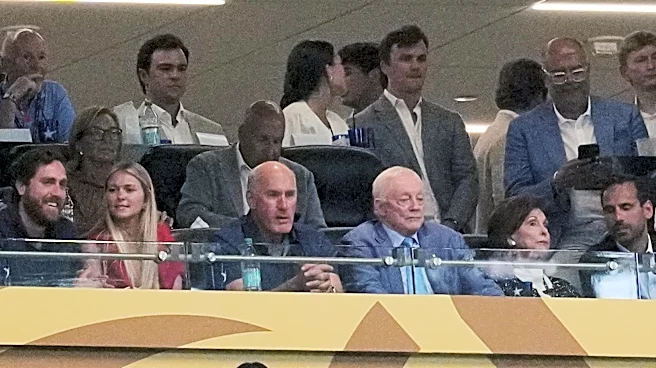
agony as any other fan. Fame, wealth, and influence become utterly useless. They cannot buy a goal or overturn a referee's decision. In these moments, captured for the world to see, the celebrity is stripped of their power and reduced to their most basic identity: a supporter of a team. This visible vulnerability is powerful because it bridges the chasm between their life and ours. It reminds us that beneath the polished veneer of public life is a person who, like millions of others, has tied their emotional state to the trajectory of a ball. For 90 minutes, they aren't a global icon; they're just one part of the collective 'we'.
A Glimpse of Authenticity
We live in an era of meticulously crafted public personas. Celebrities are media-trained to the point of emotional sterility, their interviews and social media feeds often feeling like focus-grouped marketing campaigns. A genuine, unscripted display of emotion is increasingly rare. That's why tears of sporting heartbreak or ecstasy are so compelling. It feels real because it is real. There is no script for the agony of a last-minute loss in a World Cup knockout match, as seen on the faces of USMNT players and fans alike during their recent exit. When a celebrity sobs, they are offering an unfiltered look into their psyche. This isn't a performance for a role; it's a raw, neurological reaction to a deeply personal event. It’s a moment that can’t be faked, and in a world saturated with artifice, that authenticity is magnetic.
Validation for the Everyfan
For the average fan, pouring so much emotional energy into a sports team can sometimes feel irrational. Explaining to a non-fan why your weekend is ruined because of a loss can be a lonely exercise. But when a figure like Salma Hayek admits she gets intensely emotional and cries over soccer, it validates that passion. It says that this intense level of caring is not silly or trivial. It's a human experience shared across all walks of life. The tears of a famous fan give the rest of us permission to feel our own emotions fully. They elevate the act of fandom from a simple hobby to a profound emotional investment, one worthy of tears from anyone, regardless of their station in life. This is especially true in a hyper-masculine environment, where seeing male stars cry can normalize emotional expression.
The Power of the Global Campfire
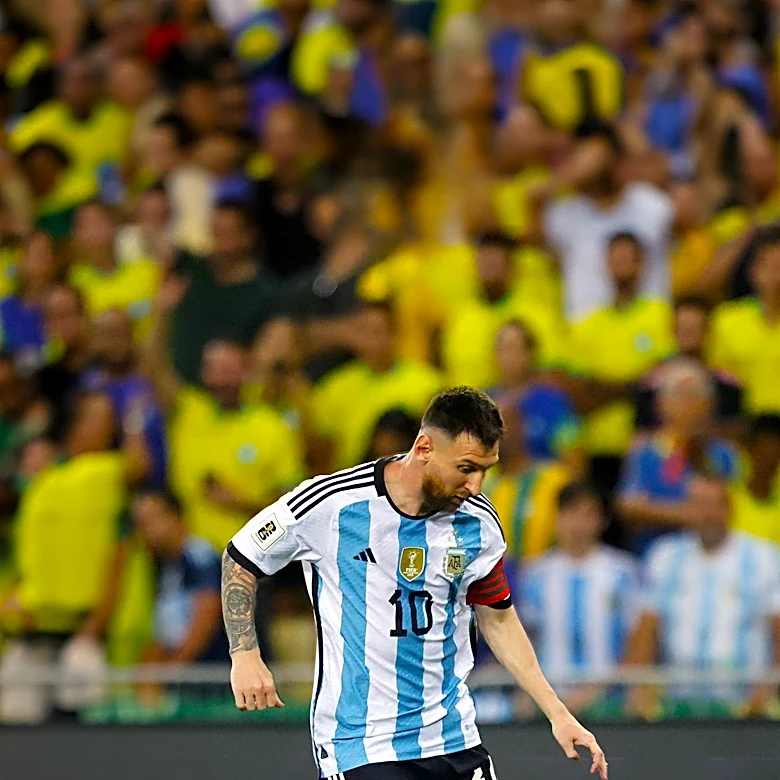
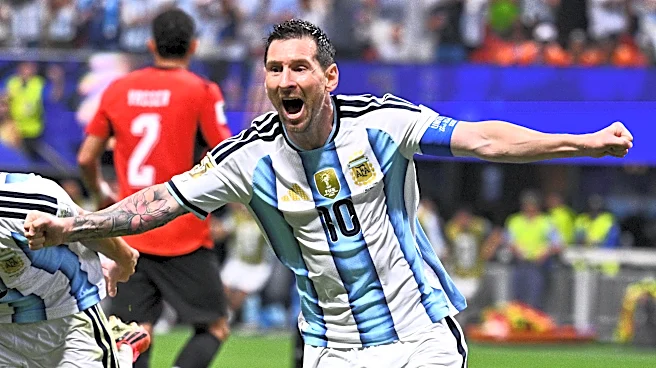
Soccer, especially at the World Cup level, is one of the few remaining global campfires—a singular event watched by billions. It creates a shared narrative, a worldwide conversation happening in real-time. When a celebrity emotion is injected into this global event, it amplifies its reach and significance. A tearful Lionel Messi after a hard-fought victory or a distraught Cristiano Ronaldo after an elimination becomes more than just a personal moment; it becomes a symbol of national hope or heartbreak. The celebrity acts as an emotional focal point for millions of viewers who are feeling the exact same thing. Their public tears crystallize the collective experience, turning a personal reaction into a powerful, shared global memory that transcends language and borders.