






It’s More Than Just a Chop
A truly great bob isn’t just a haircut; it’s a feat of engineering tailored to you. While its history is rooted in rebellion and reinvention, from the flappers of the 1920s to Vidal Sassoon’s geometric shapes in the '60s, the modern bob’s success hinges
on personalization. What makes it work is a harmonious blend of three key elements: the cut’s structure, your unique hair texture, and the way it frames your face. A stylist who understands this can create a shape that feels both effortless and intentional. The goal is a cut that moves with you and looks just as good air-dried on a Tuesday as it does fresh from the salon.
Finding Your Bob: Match the Cut to Your Face Shape
The most important step in getting a bob right is choosing a length and shape that complements your facial structure. The right cut can create balance and highlight your best features. For round faces, the goal is to add length and create angles. A long bob, or "lob," that falls past the chin or an angled bob that’s shorter in the back helps elongate the face. Square faces benefit from softer lines; bobs with texture, soft layers, and even asymmetrical cuts can soften a strong jawline. Heart-shaped faces, which are wider at the forehead and narrower at the chin, are flattered by chin-length or shoulder-length bobs that add volume around the lower face. And if you have an oval face, you’re in luck—nearly any bob style, from a short French bob to a longer lob, will likely suit you.
Texture Is Everything: Work With Your Hair, Not Against It
Your natural hair texture is not an obstacle; it’s a guide. For fine, straight hair, a blunt, one-length bob can create the illusion of thickness and density. A classic chin-length or even a sharp Italian bob, which has a heavier, polished perimeter, works beautifully. If you have thick hair, you can handle more layering and texturizing to remove bulk and add movement, preventing the dreaded triangular shape. For those with wavy or curly hair, embracing your natural pattern is key. A layered bob can enhance your waves, while a slightly longer cut like an Italian bob can use its weight to control texture and create a beautiful shape. The key is ensuring your stylist cuts with your texture in mind, sometimes even cutting curly hair dry to see how it naturally falls.
The Language of the Bob: Key Styles to Know
Knowing the terminology helps you ask for exactly what you want. A 'blunt bob' has a sharp, clean line with no layers. An 'A-line bob' is shorter in the back and angles down to a longer front. A 'layered' or 'textured' bob has varied lengths cut into the hair to create movement and volume. Lately, European styles have dominated the conversation. The 'French bob' is typically shorter (chin-length or higher), often paired with bangs, and has a slightly undone, textured finish for an effortless look. In contrast, the 'Italian bob' is a bit longer and more voluminous, with a heavier, polished feel that looks luxurious and powerful.
Keeping It Sharp: Maintenance and Styling
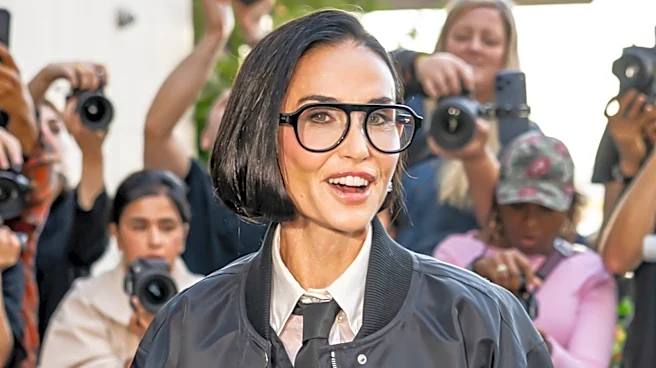
A great bob doesn’t end at the salon door. To keep the lines clean and the shape intentional, regular trims are non-negotiable, typically every 6 to 8 weeks. This is especially true for shorter, more precise styles. For daily styling, less is often more. A textured bob might only need some texturizing spray to enhance its piecey look, while a blunt bob benefits from a heat protectant and a quick pass with a flat iron for a sleek finish. Recent celebrity looks, from Demi Moore's crisp micro bob to Hailey Bieber's versatile soft bob, show that the right styling preserves the cut's intention, whether it's meant to be sharp and geometric or soft and lived-in.