



The Kings of Quiet Luxury
Long before “quiet luxury” became a buzzword, brands like Brunello Cucinelli and Loro Piana were its undisputed masters. Cucinelli, founded in a small Umbrian hamlet in 1978, built an empire on what he calls "humanistic capitalism" and exquisitely crafted
cashmere. There are no loud logos here; the luxury is in the feel of the fabric and the timeless, relaxed tailoring. Similarly, Loro Piana, a company that began as a wool and cashmere mill in 1924, is revered for its obsessive focus on the world's finest raw materials. These are not clothes meant to shout for attention. Instead, they represent a philosophy of enduring quality and understated elegance, a core tenet of Italian style that operates far from the noise of trend-driven fashion.
The Neapolitan Tailoring Masters
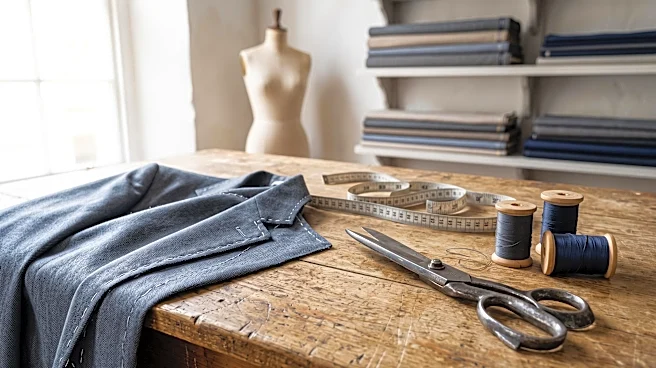
Milan may have the runways, but Naples has the soul of Italian tailoring. Brands like Kiton and Cesare Attolini represent the pinnacle of this tradition. A single suit from one of these houses can require dozens of hours of meticulous handwork, resulting in a garment that feels more like a second skin than clothing. The signature Neapolitan jacket, with its soft, unstructured shoulder and fluid silhouette, was perfected by these artisans. It’s a world away from the rigid power suits of other fashion capitals. This isn’t just about making clothes; it's about preserving a cultural heritage passed down through generations of master cutters and stitchers, a craft that values precision and dignity above all else.
The Cult Artisanal Specialists
Italian fashion's depth comes from its specialists—brands that focus on doing one thing perfectly. Missoni, for example, has been synonymous with its iconic zigzag knitwear since 1953, turning a unique textile into a global identity. Bottega Veneta, long before its recent runway fame, built its reputation on the logoless “intrecciato” woven leather technique, making the craft itself the signature. Then there are the niche players like Stone Island, which has focused on technical outerwear and innovative fabric treatments since 1982, developing a cult following for its function-first, high-performance jackets. This dedication to a specific craft is a hallmark of the “Made in Italy” promise, where expertise is the ultimate luxury.
The Bold New Guard
While heritage is central, a new wave of designers is challenging the conventions of Italian style. Labels like Sunnei, founded in Milan in 2014, bring a playful, almost anti-establishment energy with their vibrant colors and modern silhouettes. Other emerging names are deconstructing tradition, blending Italian sartorial codes with global youth culture and a focus on sustainability. Designers like Francesco Murano and the minds behind Vitelli are looking to Italy's subcultures and artistic movements for inspiration, creating knitwear and tailored pieces that feel fresh and globally relevant. They prove that Italian fashion isn't a museum piece; it's a living, evolving conversation between its storied past and its dynamic future.
The Everyday Innovators
Finally, there are the brands that master chic, wearable clothing without the haute couture price tag. Aspesi, for example, has built a loyal following by perfecting everyday garments like the quilted blazer and field jacket, focusing on fabric and fit over fleeting trends. Marni, founded in 1994, offers an artistic and often quirky take on ready-to-wear, playing with color and proportion in a way that feels both intellectual and wearable. These are the brands that real Italians often turn to for their daily wardrobe—the ones that deliver that effortless sense of style, or 'sprezzatura,' that defines the nation's fashion identity beyond the red carpet and runway headlines.