





The Longest Walk in Sports
The journey from the center circle to the penalty spot might be the most agonizing walk in professional sports. It’s a moment of pure isolation. After 120 minutes of collective effort, the team sport vanishes, replaced by a brutally individual confrontation.
During this walk, with millions watching, a player has too much time to think—about the stakes, the consequences of failure, and the weight of expectation. Sports psychologists note that this brief period is where shootouts are often won or lost, long before the ball is even kicked. The internal monologue can become a loop of anxiety, interfering with the automatic, practiced skill needed to score.
When Superstars Stumble
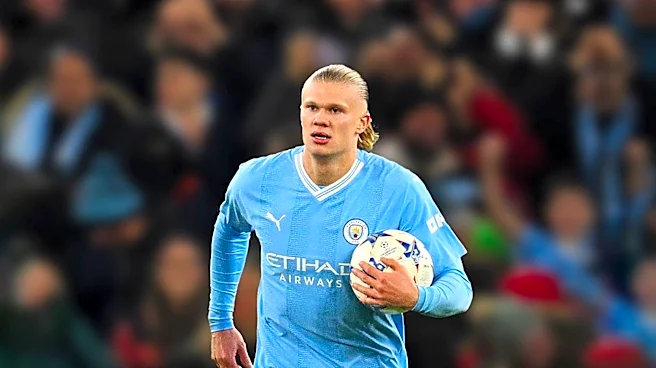
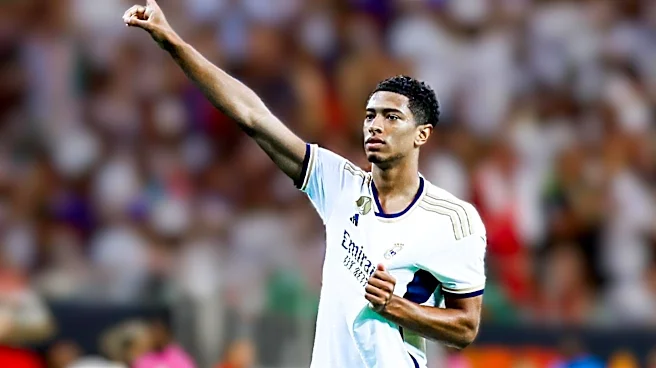
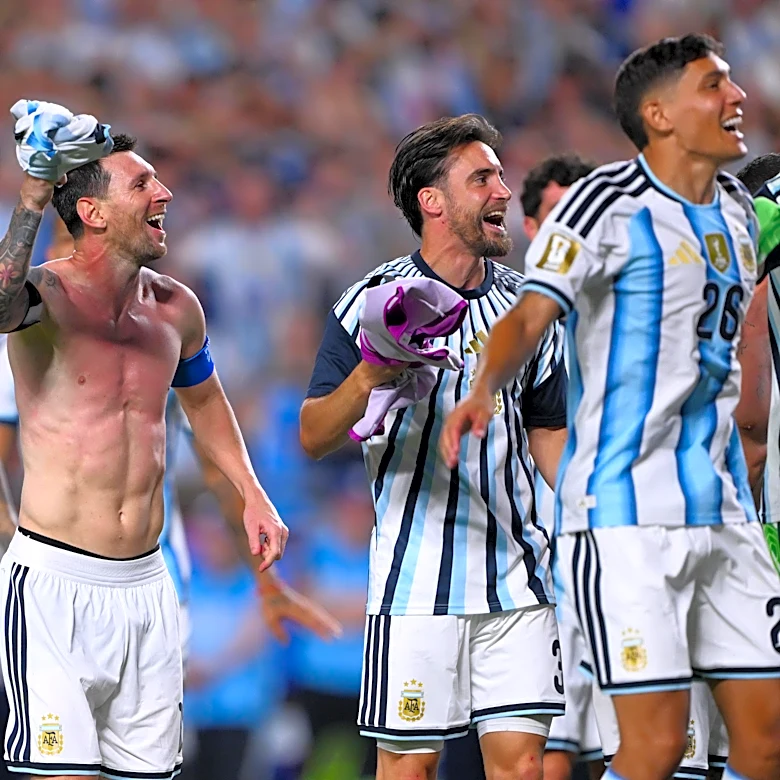
You’d think the best players in the world would be the most reliable in a shootout, but history is littered with high-profile misses from superstars. Research from sports psychologist Geir Jordet reveals a fascinating paradox: players with a higher public status, who have won prestigious individual awards, tend to perform worse in shootouts. After receiving a major award, a player's success rate can drop significantly. The logic is cruel but simple: for a star player, the moment is defined not by the opportunity to be a hero, but by the overwhelming fear of public failure. The pressure to live up to their reputation creates what psychologists call an "avoidance mindset," where the focus shifts from scoring to not missing, which ironically makes a miss more likely.
The Burden of a Nation
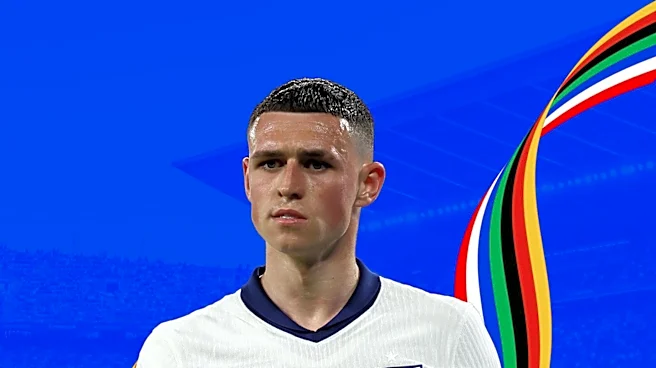
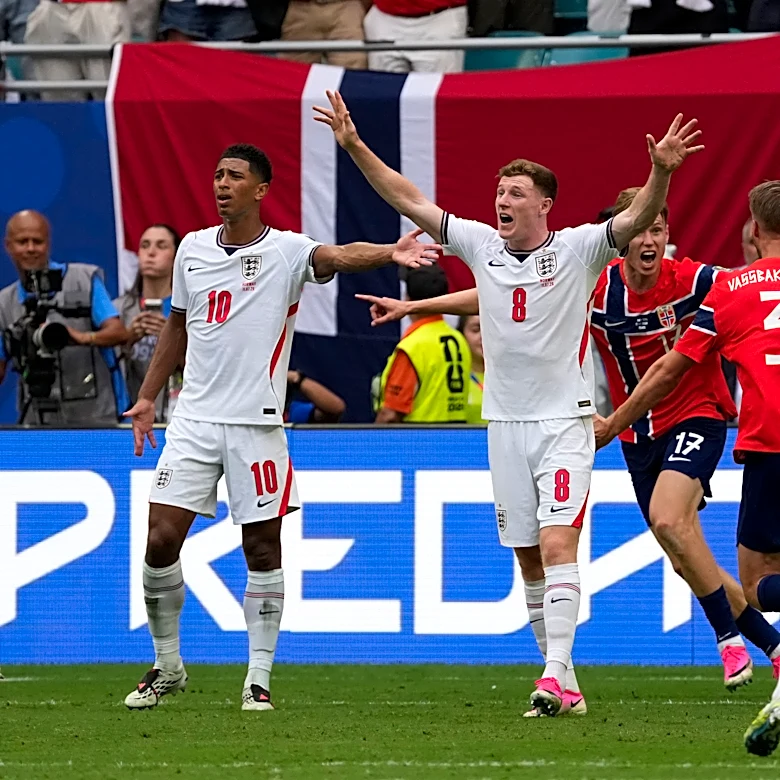
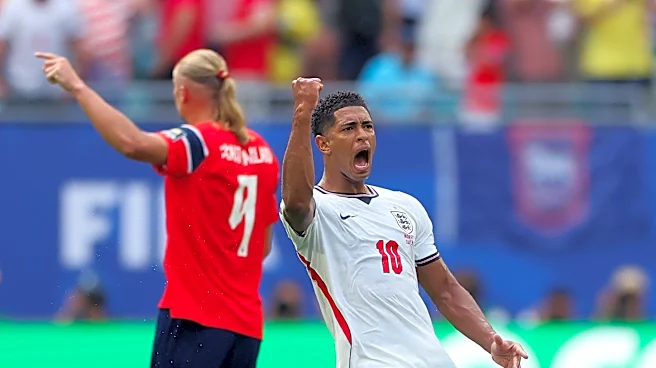
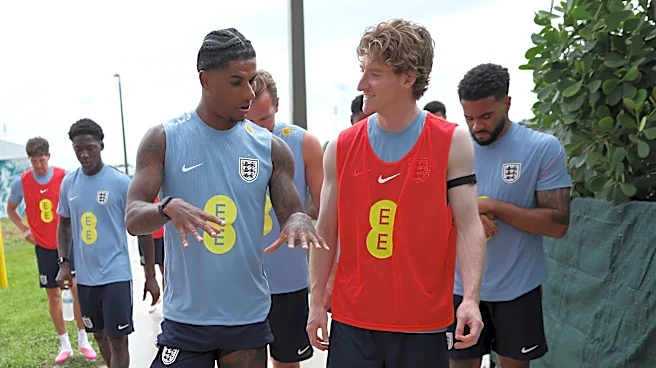
Pressure doesn't just apply to individuals; entire nations can carry the weight of past failures. For decades, the English national team was infamous for its inability to win shootouts, a reputation that became a self-fulfilling prophecy. This phenomenon is rooted in what researchers call "stereotype threat," where the fear of confirming a negative stereotype about your group (in this case, "England always loses on penalties") actually impairs performance. Teams with a history of shootout heartbreak often see their players rush their kicks—a sign of wanting to escape the stressful situation—which is strongly correlated with missing. Conversely, England’s improved record in recent years is credited to a psychological shift, treating shootouts as a trainable skill rather than a lottery, complete with breathing techniques and specific routines to manage pressure.
The Science of the Choke
So, what is actually happening in the brain when a world-class athlete suddenly can't perform a simple task? It's a phenomenon known as "choking," where pressure causes an athlete to overthink a skill that is normally automatic. Instead of relying on muscle memory honed over thousands of hours, the brain’s conscious processing centers take over. This "paralysis by analysis" disrupts the fluid, automated motor skills required for an accurate shot. Fear of failure is the primary trigger. The potential pain of losing becomes far more powerful than the potential joy of winning, a concept known as "loss aversion." Players needing to score to prevent their team from losing are successful less than 60% of the time, while those kicking to win the match outright succeed over 90% of the time.