







The Hour One Fantasy
The gates open, and you walk in feeling like a star. Your outfit is a carefully curated masterpiece of fringe, sparkle, or perfectly coordinated bohemian layers. Every detail is designed for that golden-hour photo op, a testament to your impeccable taste.
At this stage, your shoes—perhaps a pair of stylish but unforgiving boots or some trendy-but-thin sandals—are the finishing touch on your sartorial triumph. You feel confident, powerful, and ready for anything. The ground is still relatively clean, your energy is high, and the idea that your footwear could betray you is a distant, laughable thought. This is the moment you envisioned, the peak of the festival fantasy where style reigns supreme and practical concerns are for other, less prepared people.
The Hour Three Reality Check
Then comes the pivot. After trekking a mile from the main stage to the food trucks, dancing through two full sets, and navigating a sea of fellow attendees, the fantasy begins to crumble. It starts with a dull ache in your arches, then a suspicious rubbing on your heel. By hour three, your perfect shoes have revealed their true nature: they are instruments of misery. Suddenly, the joy of the music is punctuated by sharp pains and the desperate search for a place to sit. Every step is a negotiation. Podiatrists note that common festival complaints range from blisters and bruised toenails to more serious issues like plantar fasciitis and ankle sprains, often stemming from unsupportive footwear. That Instagram-worthy outfit feels less important when you're hobbling across uneven, trampled ground, envying the person in beat-up sneakers who is dancing without a care in the world. This is the moment of truth: no outfit is good enough to make up for foot pain.
The Anatomy of a Festival-Proof Shoe
So, what makes a shoe worthy of a 12-hour day on your feet? It’s not about sacrificing style, but about prioritizing function. First and foremost is support and cushioning. Your feet will be absorbing shock from walking and dancing on hard or uneven ground for hours. Look for shoes with a cushioned insole, decent arch support, and a thick-enough sole to act as a barrier. Breathable materials are also key; they help prevent the sweaty conditions that lead to blisters and general discomfort. Finally, consider a closed-toe design. Seasoned festival-goers and medical staff on-site warn against flimsy, open-toed shoes like flip-flops, which offer no protection from dropped items, spills, or the inevitable moment someone steps on your foot in a crowd. Sturdy sneakers, supportive combat boots, or well-broken-in walking boots are consistently recommended for their ability to handle the rugged festival environment.
You Can Have Both Style and Comfort
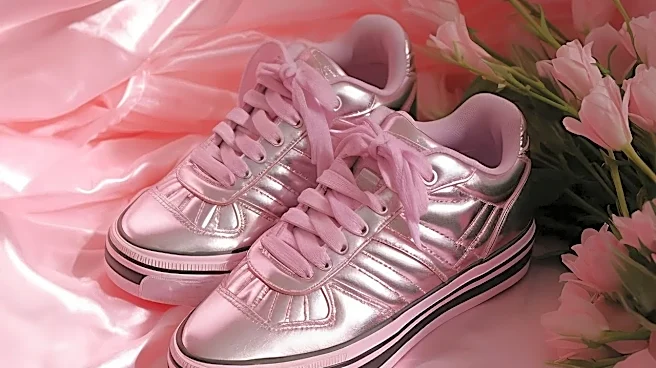
The good news is that choosing comfort no longer means resigning yourself to orthopedic-looking footwear. The fashion world has caught up to the realities of all-day events. Platform sneakers offer height and cushioning, while iconic brands like Dr. Martens, Converse, and Vans have built their reputations on the intersection of style and durability. Even certain styles of supportive, strappy sandals can work for more relaxed festivals, provided they have a contoured footbed and aren't completely flat. The trick is to break in any new pair of shoes for a few weeks before the event to avoid nasty surprises. The goal isn't to abandon your aesthetic, but to build your look from the ground up. Start with a shoe you can genuinely last all day in, and let that practical choice anchor your festival style. A great outfit you can't move in is just a costume, but a great outfit paired with smart footwear is a recipe for an unforgettable experience.