





The Fear of Spoilers
The most straightforward reason for tuning in live is a defensive one: spoiler avoidance. In a media landscape where major plot points from a finale can become a trending topic in minutes, watching live is the only guaranteed way to experience a story
as it unfolds. The window between a show’s broadcast and the moment the internet spoils its biggest reveals is shrinking. For fans who have invested weeks or even years in a series, the desire to experience a shocking character death, a surprise winner, or a dramatic reunion firsthand is a powerful motivator. It’s less about the convenience of the broadcast and more about protecting the integrity of their own viewing experience in a hyper-connected world.
The Digital Campfire
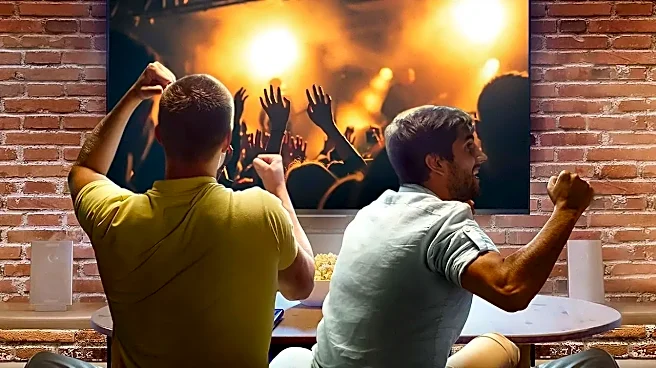
Beyond spoiler-phobia lies a deeper, more communal drive. Live-posting transforms the solitary act of watching TV into a shared, interactive event. Social media feeds become sprawling virtual living rooms where viewers can share jokes, celebrate victories, and collectively gasp at betrayals. This phenomenon creates a potent sense of community. Participants aren't just reacting to the show; they're connecting with a like-minded tribe, reinforcing shared tastes and forming social bonds around a piece of pop culture. Whether it’s a prestige drama finale or a messy reality show reunion, the feeling of being “in it together” amplifies the emotional highs and lows of the program. In an era of fragmented, individualized streaming, the appointment viewing of a live event offers a rare taste of the monoculture we supposedly left behind.
Reality TV as Live Sport
Nowhere is this trend more pronounced than with reality television. Unlike a scripted drama where the story is predetermined, the unscripted (or at least, seemingly unscripted) nature of reality competition shows and reunion specials positions them as live sporting events. Who will get the final rose? Who will be voted out of the boardroom? Which 'Real Housewives' star will have the most cutting comeback during a reunion? The outcomes are unknown, turning each episode into a game with clear winners and losers. This structure invites speculation, passionate debate, and real-time commentary. The instant, unfiltered reactions from the cast are mirrored by the instant, unfiltered reactions of the audience online, creating a feedback loop of pure, chaotic entertainment.
The Performance of Reaction
Live-posting isn’t just a passive activity; it’s also a performance. For many, the goal isn't just to watch and react, but to craft the wittiest observation, the sharpest meme, or the most insightful take on the night's events. Becoming a prominent 'voice' in a show's online fandom carries its own social currency. A well-timed, hilarious post can go viral within the community, earning likes, reposts, and followers. This adds a layer of gamification to the viewing experience. You're not just a consumer of the media; you are a contributor to the discourse surrounding it, creating a parallel stream of content that is often as entertaining as the show itself. It’s a chance for viewers to move from the audience to the stage, even if only for a fleeting moment.