


The New Sponsorship Playbook
For years, sports sponsorships were dominated by athletic apparel, sports drinks, and auto insurance. But the WNBA is rewriting that playbook. The shift gained significant momentum in 2020 when Glossier became the league's first-ever official beauty partner,
a collaboration that started during the WNBA's 'bubble' season. This wasn't a one-off campaign; the partnership has since been renewed and expanded, proving its value. Following this blueprint, Mielle Organics became the WNBA's official textured hair care partner in 2023, specifically addressing the needs and celebrating the styles of many of the league's players. These league-wide deals represent a strategic understanding from the top down. As WNBA Commissioner Cathy Engelbert noted, the players sit at the unique intersection of sports, culture, and lifestyle, making them powerful ambassadors for brands that want to tap into an authentic and growing cultural movement.
From Team Logos to Team Looks
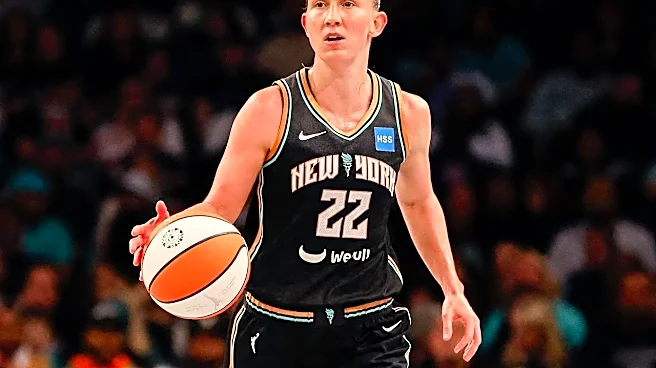
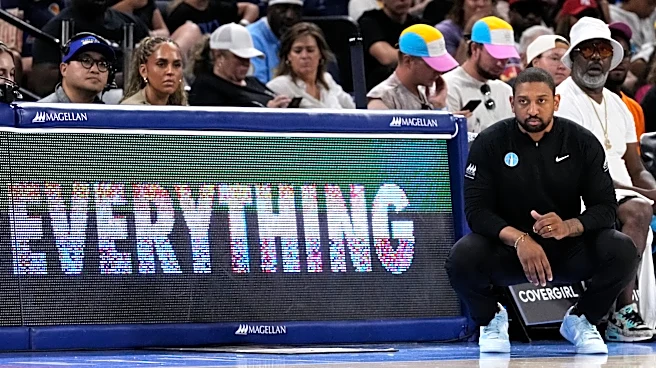
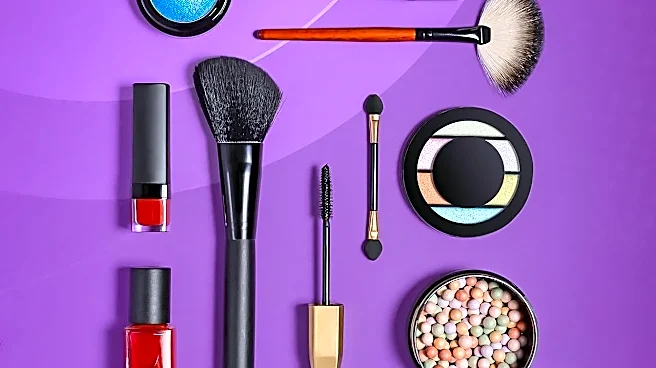
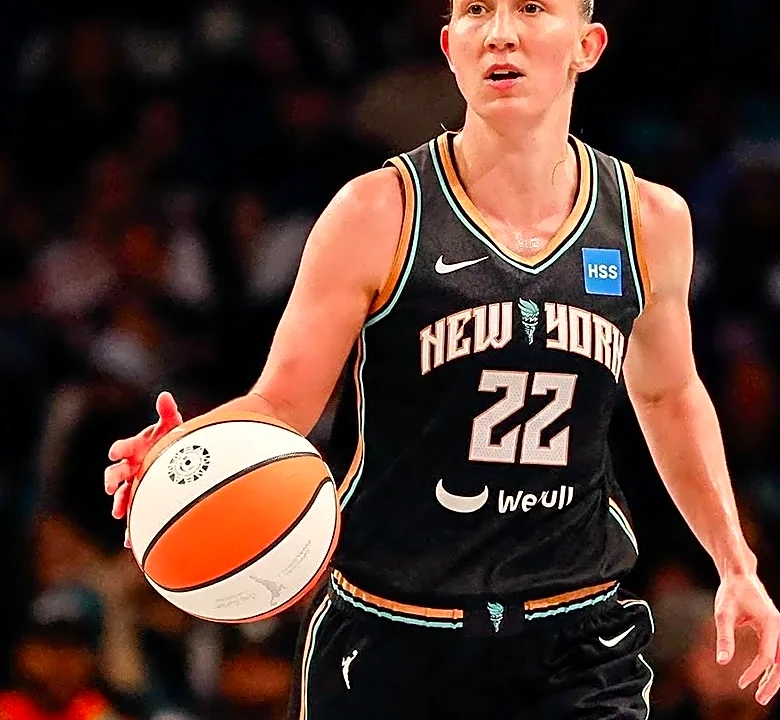
The trend isn't just happening at the league level; it's getting more specific and more prestigious with individual team partnerships. This is where the elevation to a 'prestige category' becomes undeniable. Rihanna's Fenty Beauty and Fenty Skin, for instance, inked a deal to become the official beauty partner of the New York Liberty. On the West Coast, Urban Decay has partnered with the Los Angeles Sparks for multiple seasons, while Covergirl became the official cosmetics sponsor of the Chicago Sky. Even the league's expansion teams are part of the movement, with beauty retail giant Sephora signing on as a partner with the Golden State Valkyries, even securing naming rights to the team's performance center. These aren't just product placements; they involve fan activations, branded content, and providing makeup artists for players, fully integrating beauty into the team's identity.
The Player as Powerhouse Influencer
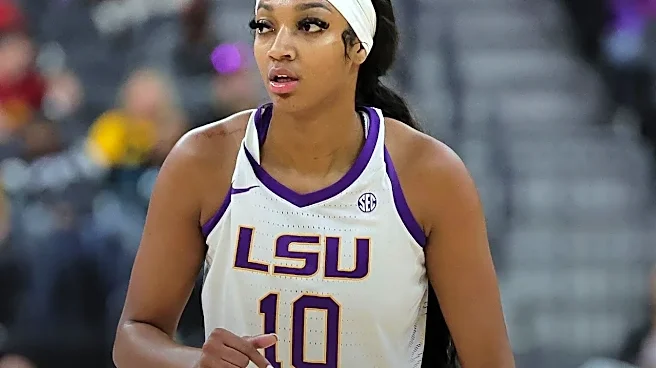
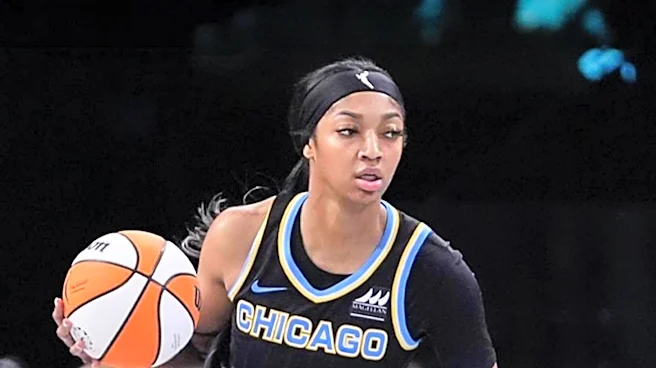
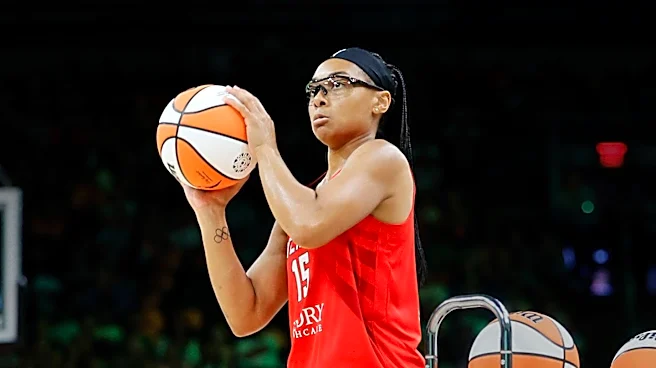
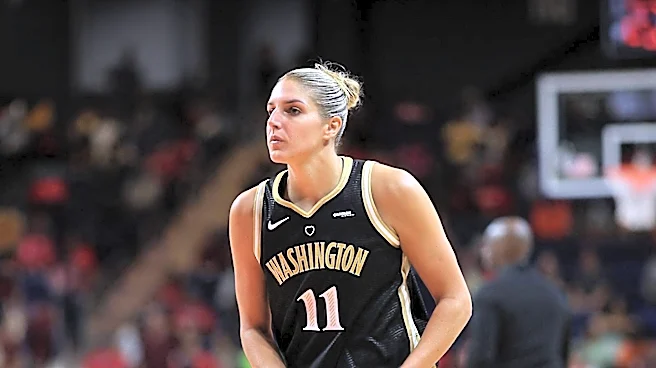
The driving force behind this commercial shift is the players themselves. Long before official partnerships, athletes set the tone. Style pioneers like Lisa Leslie, who famously played with her makeup and nails done, and Tina Thompson with her signature red lipstick, laid the groundwork. Today, a new generation of stars are A-list influencers in their own right. Players like A'ja Wilson, Angel Reese, and Skylar Diggins-Smith are celebrated for their style as much as their stats, with pre-game tunnel looks generating significant media buzz. Brands are tapping directly into this influence. Chicago Sky's Izzy Harrison, for example, was featured in a 'Get Ready With Me' video for Glossier and curated her own product set for the brand. This evolution from passive endorsement to active collaboration shows that companies recognize the players not just as athletes, but as creators and culture-shapers with devoted followings.
More Than Just Makeup
Ultimately, the infusion of prestige beauty into the WNBA is about more than looking good on camera. It is a direct reflection of the league's soaring economic value and cultural capital. Game viewership and attendance have seen explosive growth in recent years, and brands are clamoring for a piece of the action. For decades, women's sports were underfunded and undervalued, but this new wave of investment signals a major correction. As the CEO of Glossier pointed out, beauty and sports are not mutually exclusive; this movement is about empowering women and redefining beauty standards. The partnerships are a win-win-win: players gain new revenue streams and platforms for self-expression, brands connect with a loyal and engaged audience, and the league solidifies its position as a cultural and commercial powerhouse. It’s a clear statement that the strength, style, and influence of WNBA athletes are finally being valued at a prestige level.