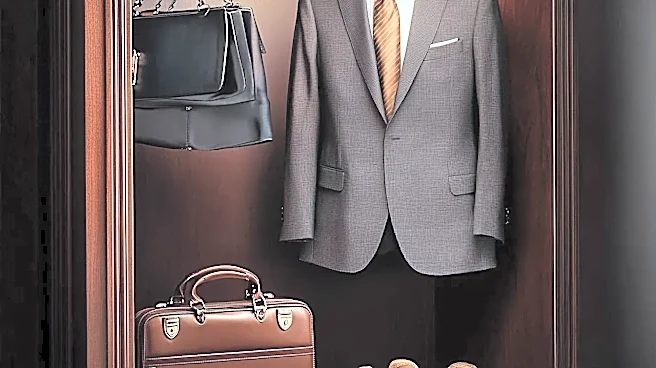









The Two-Wardrobe Rule
The first thing to understand is that most successful lawyers mentally maintain two separate wardrobes: one for the courtroom and one for the office. Courtroom attire is non-negotiable and deeply traditional. It's the armor. This means a perfectly tailored
dark navy or charcoal suit, a crisp white or light blue shirt, conservative leather shoes, and minimal distractions. The goal isn't to be memorable for your style but for your argument. The office, however, is where the rules become more flexible and personal style emerges. This is where the firm's specific culture—be it a buttoned-up Wall Street practice or a more relaxed West Coast tech firm—comes into play. Even then, the standard is high; it’s about projecting an image of trustworthiness and attention to detail.
The Peril of 'Business Casual'
In the legal world, "business casual" is perhaps the most misunderstood and professionally hazardous dress code. It is never an invitation for actual casualness. It's a directive to maintain a professional standard without the formality of a full suit. For men, this translates to a tailored blazer or sport coat, high-quality wool trousers or smart chinos, a collared shirt, and leather dress shoes like loafers or derbies. For women, it means tailored separates like wide-leg trousers, sheath dresses paired with blazers, or silk blouses. The key is replacing the formal structure of a suit with equally intentional, high-quality separates. Wrinkles, scuffed shoes, or ill-fitting pieces can read as carelessness—a fatal flaw in a profession built on precision.
Investment Pieces and 'Stealth Wealth'
The phrase "high-quality closets" points to a core tenet of lawyer fashion: an emphasis on investment and the concept of "stealth wealth." This isn't about flashy logos or chasing trends. It's about quiet luxury conveyed through superior fabrics, a perfect fit, and timeless design. A lawyer's wardrobe is built on a foundation of durable, classic pieces: a well-made suit in a three-season wool, a structured leather briefcase or tote bag, a classic watch, and high-quality Goodyear-welted shoes. The idea is that quality signals competence. A cashmere-blend coat or a silk blouse doesn't scream for attention, but it telegraphs refinement and success to those in the know. This approach favors longevity and versatility, creating a reliable uniform that performs day after day.
The Post-Pandemic Adjustment
The pandemic and the rise of hybrid work have undeniably relaxed the edges of law firm attire, but they haven't dismantled the standards. While early pandemic days saw lawyers trying to maintain formal wear for video calls, a more casual approach has become common for virtual meetings. However, this casualness has its limits. Many firms now see jeans in the office on non-client days, but they are typically dark-wash, well-fitting, and paired with a blazer to maintain a polished look. The most common adaptation is the "emergency blazer"—always kept on the back of the office chair, ready to be thrown on for an unexpected client pop-in or partner meeting. The expectation of being ready to project authority at a moment's notice has not changed.
Accessorizing for Authority
In a profession where the uniform is intentionally conservative, accessories become the primary vehicle for personal expression and an essential tool for completing a polished look. But even here, subtlety is key. For men, a classic watch, a simple tie bar, and quality cufflinks add a touch of refinement without being flashy. The tie itself should be silk or a textured knit in a classic stripe or solid color. For women, accessories can soften the severity of a suit. A delicate necklace, a silk scarf, or a pair of classic pearl or diamond-stud earrings can add a personal touch. The handbag is a significant investment piece, often a structured leather tote that is both functional and a symbol of status. Across the board, the rule is to choose pieces that suggest timeless elegance, not fleeting fashion.