




From Sailors to Scholars
Before it graced the shoulders of CEOs and creative directors, the turtleneck was a garment of pure utility. Its story begins not in a Milanese atelier, but on the cold decks of ships and in the trenches of war. The high, foldable neck was a practical
defense against wind and sea spray for sailors, fishermen, and naval officers in the late 19th and early 20th centuries. It was functional, durable, and completely devoid of glamour.By the mid-20th century, its cultural standing shifted from the docks to the lecture hall. The turtleneck was adopted by intellectuals, artists, and academics—think Left Bank philosophers in Paris or beatnik poets in Greenwich Village. It became a kind of anti-establishment uniform, a rejection of the corporate shirt and tie. It signaled thoughtfulness, creativity, and a certain bohemian detachment. For decades, it was the symbol of the thoughtful outsider, not the powerful insider.
The Italian Intervention
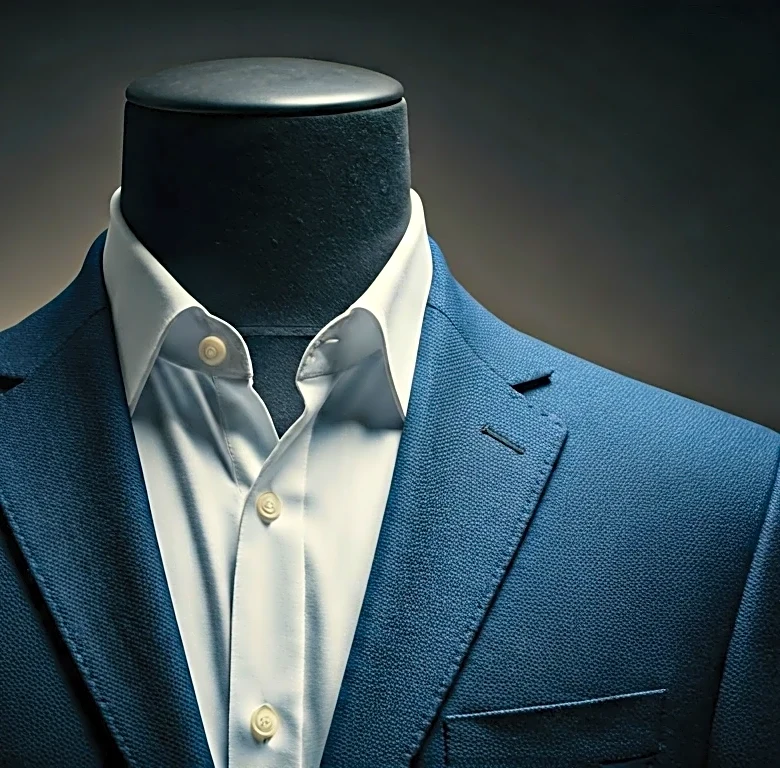
The turtleneck’s transformation from a symbol of rebellion to one of refinement began in post-war Italy. This is where the concept of *sprezzatura*—a particular brand of studied nonchalance and effortless elegance—took hold. Italian men, epitomized by style icons like actor Marcello Mastroianni and Fiat chairman Gianni Agnelli, began to reinterpret menswear. They sought a look that was sophisticated but not stuffy, luxurious but not loud.The turtleneck was the perfect vehicle for this new aesthetic. Instead of wearing it as a chunky, standalone sweater in the beatnik style, Italian men started layering a fine-gauge turtleneck under a soft-shouldered, unconstructed blazer. This single move was revolutionary. It replaced the formal architecture of the collared shirt and tie with something sleeker, more comfortable, and infinitely cooler. It framed the face, elongated the neck, and created a clean, unbroken line from the chin to the waist. It was dressy without being rigid.
Cashmere, Merino, and The Perfect Cut
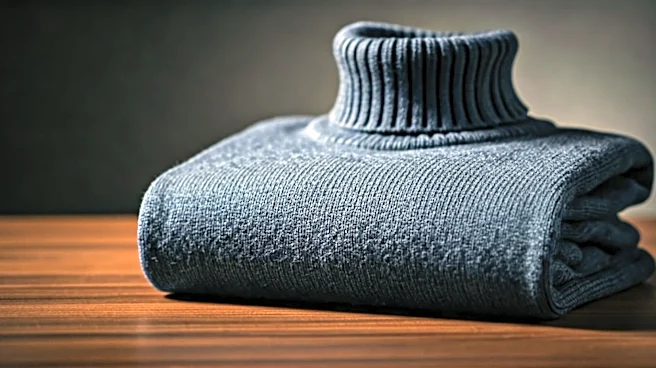
The Italian secret wasn't just *how* they wore the turtleneck, but *what* turtleneck they wore. This wasn't the thick, scratchy wool of a fisherman's sweater. Italian menswear is built on a foundation of exceptional materials and craftsmanship, and they applied this philosophy to the turtleneck. They rendered it in luxurious, fine-gauge fabrics like merino wool, silk blends, and, most decadently, cashmere.These materials allowed the turtleneck to function as a true “base layer.” It was thin enough to sit smoothly under a jacket without adding bulk, yet warm and substantial enough to feel luxurious against the skin. The fit was just as important. An Italian-style turtleneck isn't loose or baggy; it skims the torso, creating a lean, athletic silhouette. This combination of superior fabric and a precise cut is what elevates the garment from a simple sweater into a foundational piece of a power wardrobe. It feels as good as it looks, projecting an aura of quiet expense and good taste.
The Modern Power Player
Today, the turtleneck-as-power-layer is a global phenomenon, but its DNA remains distinctly Italian. Brands like Brunello Cucinelli, Loro Piana, and Zegna have made it a cornerstone of modern luxury menswear. At the influential Pitti Uomo trade show in Florence, you’ll see it styled in a thousand different ways, but always with that same spirit of *sprezzatura*.Its adoption has spread far beyond the fashion world. In boardrooms, creative agencies, and tech startups, the turtleneck under a sport coat has become a new kind of uniform for men who want to command a room without resorting to the old-guard formality of a necktie. It communicates that you understand the rules but are confident enough to reinterpret them. It’s a sartorial choice that says you value comfort, quality, and a modern, streamlined approach—not just in how you dress, but in how you think.