





The Feel and Scent of the Leather
Before you check anything else, trust your senses. Genuine, high-quality Italian leather has a rich, earthy fragrance that no chemical or synthetic material can replicate. It should smell natural, not like plastic or solvents. The texture is just as important.
Run your hand across the surface; it should feel supple and warm. Look for subtle, natural variations in the grain. Perfect uniformity can be a red flag for corrected-grain leather, where an artificial texture has been stamped onto a lower-quality hide. True full-grain leather proudly displays the minor imperfections that signal its authenticity.
The Tanning Method: Vegetable vs. Chrome
Not all tanning is created equal. The method used to convert the hide into leather dramatically affects its character and longevity. Chrome tanning, used in the vast majority of leather goods, is a fast, chemical-based process that produces soft, uniform leather. However, traditional Italian craftsmanship often favors vegetable tanning, a much slower process using natural tannins from plant barks and leaves. This method produces a firmer, more durable leather that develops a beautiful, unique patina over time, darkening and softening with use. While chrome-tanned leather has its place and offers better water resistance initially, a vegetable-tanned bag is often seen as a long-term investment in character.
Edge Finishing, or ‘Costa’
Look at the edges of the straps, flaps, and seams. This is one of the clearest indicators of meticulous craftsmanship. In high-end Italian bags, you'll often find a technique called edge painting, known as ‘costa’ in Italian. This involves applying multiple thin layers of paint by hand, often sanding between each coat, to create a smooth, durable, and perfectly sealed edge. This process is incredibly time-consuming but protects the raw edge from fraying and moisture. A cheaply made bag will have raw, cut edges or a single, thick, plastic-feeling layer of paint that can easily crack or peel.
The Stitching: Look for the Saddle Stitch
Examine the seams closely. High-quality bags feature tight, even, and consistent stitching with no loose threads. While many luxury bags use high-quality machine stitching, the gold standard of leatherworking is the hand-sewn saddle stitch. In a saddle stitch, two needles pass through the same hole from opposite sides, creating a knot within the leather at every single stitch. This means that if one thread breaks, the seam will not unravel, making it far more durable than a machine lockstitch, where a single break can compromise the entire seam. A saddle stitch often has a slightly angled, robust appearance and signals a serious investment in labor and longevity.
The Weight and Finish of the Hardware
The metal components of a bag—the zippers, clasps, feet, and rings—are its jewelry, and they should feel like it. Quality hardware is typically made of solid brass or stainless steel, which gives it a satisfying weight and heft. Cheaper bags often use lightweight zinc alloys or even plastic with a metallic coating. Test the functionality: zippers should glide smoothly without catching, and clasps should engage cleanly and securely. Look for a consistent finish across all metal parts, with no signs of chipping, rough edges, or discoloration. Many high-end makers will even stamp their logo on the hardware as a mark of quality.
A High-Quality Interior Lining
What’s on the inside counts just as much as the outside. A premium bag will never be lined with cheap, flimsy fabric. The lining is often one of the first places manufacturers cut costs. A quality lining should be durable and neatly applied, with the same care as the exterior. Common materials in luxury bags include microfiber, which has a soft, protective feel, or even a thinner, finely-grained leather like lambskin. A well-constructed lining not only protects your belongings and the bag's interior but also provides structure and support. If the interior feels like an afterthought, the whole bag probably was.
Overall Structure and Symmetry
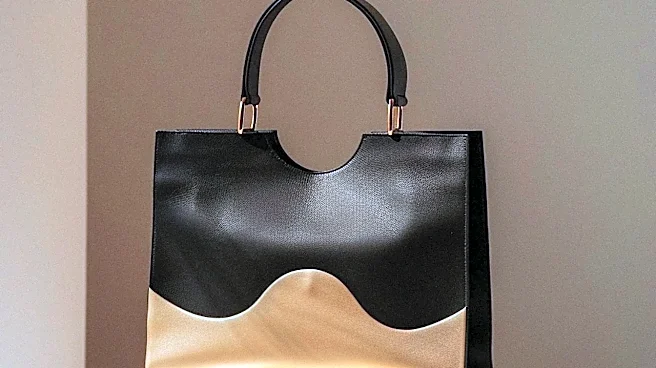
Finally, step back and look at the bag as a whole. A well-crafted piece will have impeccable structure and balance. It should stand on its own without collapsing (unless it’s an intentionally slouchy design). The panels should be perfectly aligned, with symmetrical handles and clean lines. The bag should feel balanced when you hold it. This structural integrity comes from careful construction, proper reinforcements in high-stress areas, and the quality of the leather itself. It's a testament to an artisan who didn't just assemble pieces but sculpted a finished product.