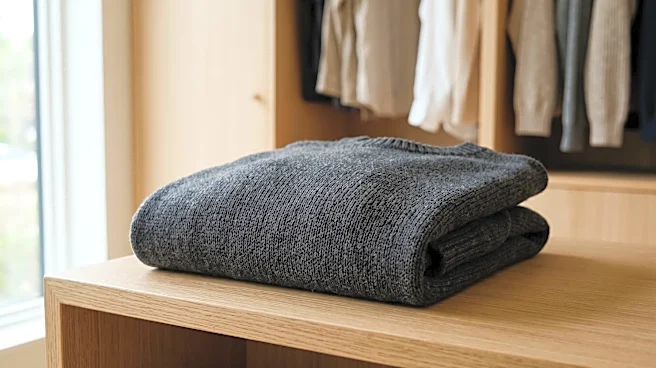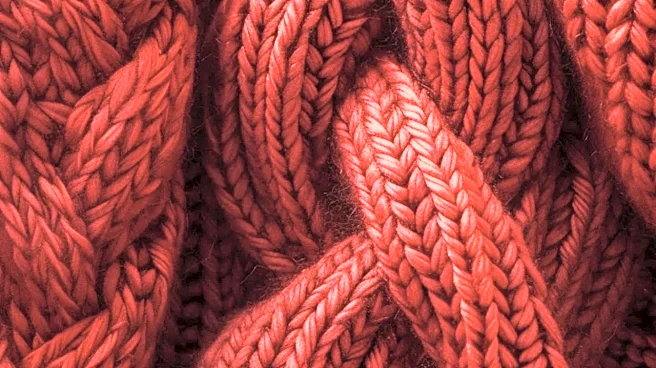










We’ve all made the same mistake: piling on a big, chunky sweater to fight the cold, only to feel bulky but not truly warm. The secret to effective layering isn't about thickness, but a more subtle quality: the density of the knit.
The Thickness Trap
When the temperature
drops, our instinct is to grab the thickest, loftiest sweater we own. It feels cozy in our hands and promises substantial protection. But when it comes to layering, this is often a mistake. A chunky, low-density knit, while looking warm, is full of large air pockets that allow cold air to pass through easily. When you move, the space between the loose fibers can even work against you, pumping warm air out and drawing cold air in. Furthermore, a thick sweater adds significant bulk under a coat, restricting movement at the armholes and creating a clumsy, uncomfortable silhouette. You end up with a look that feels more Michelin Man than effortlessly stylish, without the superior warmth you were hoping for.
Meet Knit Density, or 'Gauge'
The smarter way to judge a sweater's layering potential is by its knit density. In the world of textiles, this is often referred to as 'gauge'. Gauge is simply a measure of how many stitches are knitted into one inch of fabric. A 'high-gauge' sweater has many small, tight stitches, creating a smooth, dense surface. A 'low-gauge' sweater has fewer stitches per inch, resulting in the larger, more visible loops of a chunky knit. While a low-gauge knit feels substantial, it's the high-gauge knit that often provides better insulation for its weight. Don't mistake thickness for performance; density is the hidden variable that makes all the difference.
The Science of Staying Warm
The primary function of winter clothing is to trap a layer of air heated by your own body. This trapped air acts as a thermal barrier against the outside cold. A dense, high-gauge knit excels at this. Its tightly interlocked loops create thousands of tiny air pockets that hold onto your body heat far more effectively than a loose, open-weave knit. Think of it like a well-insulated window versus one that's drafty. The dense fabric prevents that precious warm air from escaping and stops cold air from penetrating. This is why two thin, dense sweaters layered together can keep you significantly warmer than one bulky sweater of the same total weight.
Layering Without the Bulk
This is where understanding knit density transforms your wardrobe. A fine-gauge sweater, often made from merino wool or cashmere, can provide exceptional warmth while remaining incredibly thin. This allows it to slide smoothly under a blazer, denim jacket, or overcoat without any pulling or bunching at the shoulders and sleeves. The result is a streamlined, polished look that doesn't sacrifice warmth. You can build a sophisticated layering system—a base layer, a fine_gauge sweater, and an overcoat—that offers superior insulation and adaptability as you move between indoors and outdoors. You get all the warmth without any of the puff.
How to Judge a Sweater by Its Knit
You don't need to be a textile expert to spot a dense knit. First, hold the sweater up to a light source. If you can easily see through the gaps in the fabric, it's likely a low_density knit that won't be an efficient insulator. A denser knit will block more light. Next, feel its weight and structure. A well_made , dense sweater often feels surprisingly heavy for its thickness. Gently stretch a small section of the fabric ;a dense knit will have a tight , springy feel and snap back into shape ,while a loose knit will feel more malleable and less structured. This simple hands_on test will tell you more about its layering potential than its thickness ever could.