



The Show That Sparked the Debate
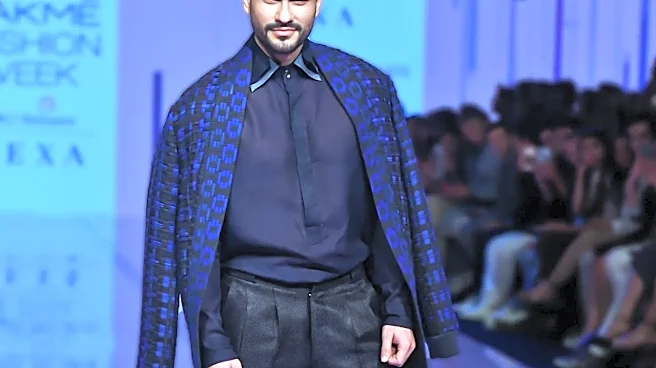
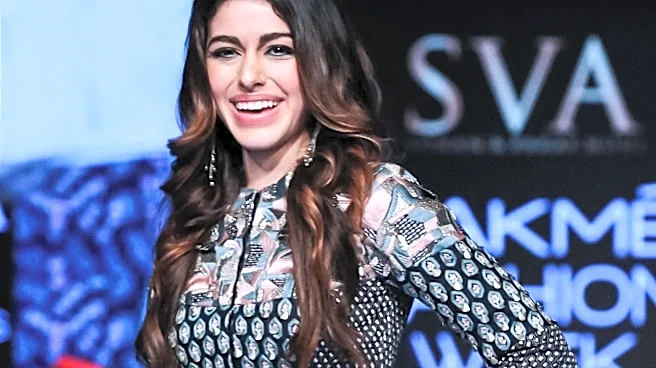
London Fashion Week, which runs this year from September 17th to the 21st, has always been a hotbed of experimentation. But a recent show felt less like a collection and more like a cultural statement. Imagine this: a model walks out in a perfectly tailored,
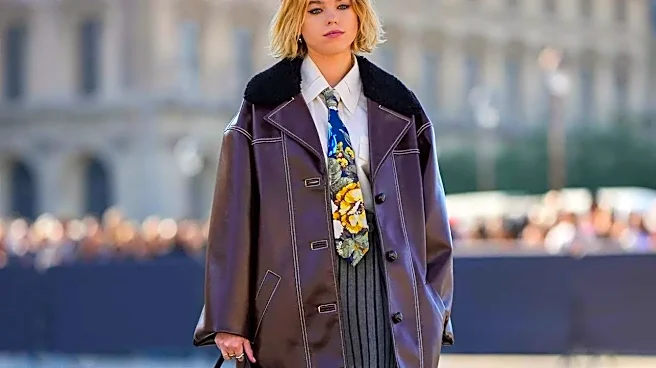
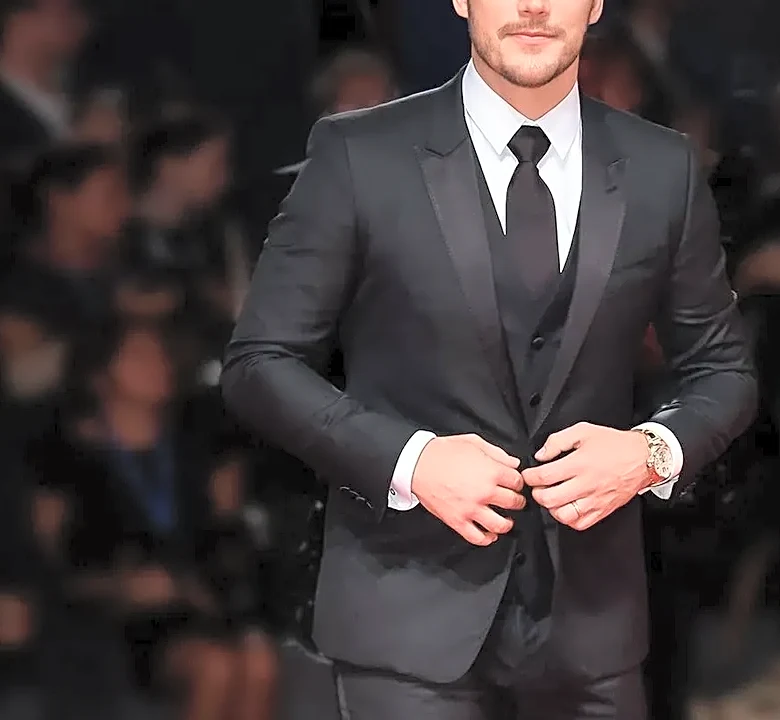
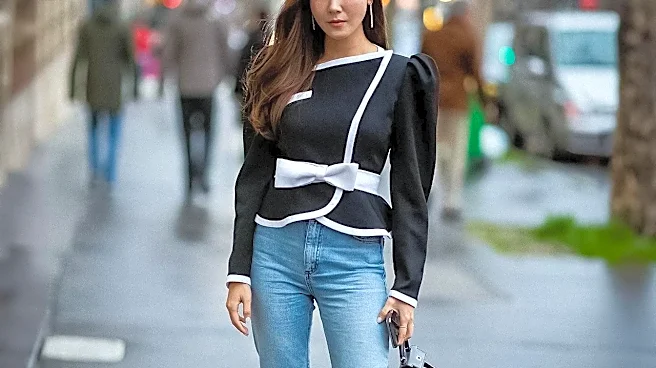
razor-sharp blazer, the kind that screams boardroom authority. But instead of matching trousers, they're wearing elegantly slouchy, wide-leg pants that pool around a pair of chunky sneakers. Another look features a delicate, structured evening gown, but it’s styled with a deconstructed hoodie. This juxtaposition of structured tailoring with relaxed, almost defiantly casual elements, sent a ripple through the audience and across social media. It was a visual representation of a conversation happening in offices and homes across the country.
The Generational Fault Line
For many Boomers and Gen Xers, formality is a language of respect. A well-cut suit or a structured dress isn't just an outfit; it’s a signal that you're taking the occasion, and yourself, seriously. It’s a uniform earned through hard work, a nod to tradition and professionalism. To this mindset, pairing a bespoke jacket with sweatpants can feel jarring, even disrespectful—like wearing a hat indoors a generation ago. For Gen Z, however, the rules are different. Raised in an era of social media, authenticity, and remote work, their idea of formality is rooted in intention, not convention. They see stuffy, traditional workwear as performative and outdated. For them, formality is about showing up as your best self, and that might mean pairing a vintage tee with a designer skirt or rocking luxe sneakers with slacks. Comfort and self-expression aren't seen as the enemies of formality; they are essential parts of it.
From the Runway to the Real World
This isn't just a high-fashion debate; it's a direct reflection of how our lives have changed. The pandemic-era shift to remote and hybrid work completely dismantled the corporate dress code. We traded suits for sweats, and now that many are returning to the office, a generational divide has become clear. Boomers may still equate a suit and tie with being a “business professional,” while Gen Z is more likely to view work as a means to an end, refusing to spend money on a separate wardrobe for a job. They prefer to rotate what they already own, mixing high and low, casual and formal. The runway is simply echoing the reality that the rigid separation between our work selves and our real selves is dissolving, and our closets are the first place to show it.
It's Not Rebellion, It's a Rewrite
It’s easy to frame this as Gen Z rebellion, a lazy rejection of the standards their elders upheld. But that misses the point. This new approach to dressing isn’t about destroying formality; it's about redefining it for a new era. Designers who blend athleisure with corsetry or street style with luxury tailoring are tapping into this shift. They understand that for a generation that values individuality and fluidity, the old rulebook no longer applies. Millennials, often caught in the middle, understand both sides—they remember dressing for the job they wanted, but now live in a world where that job might be done from their couch. The clash on the runway isn't a sign that standards are slipping. It's a sign that they're evolving.