






A Spark of Inspiration in Scotland
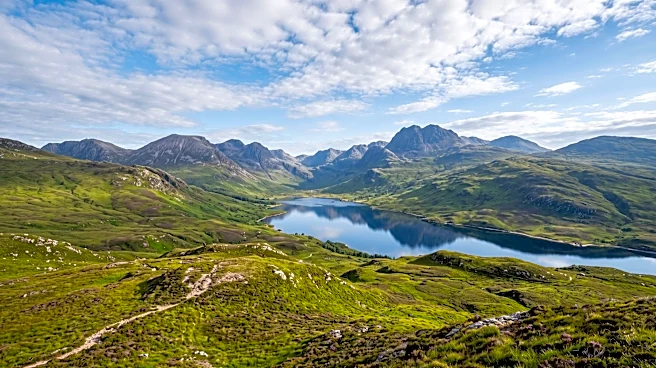
The journey of Braveheart began not in a studio boardroom, but on a trip to Scotland. Screenwriter Randall Wallace, visiting the country to explore his own roots, was captivated by the legend of William Wallace. Inspired by what he saw, particularly a statue
of the famed warrior, he dove into the history, primarily drawing from the 15th-century epic poem, "The Actes and Deidis of the Illustre and Vallyeant Campioun Schir William Wallace." He hammered out a screenplay, crafting a sprawling, passionate, and brutally violent story about the 13th-century hero. The script was ambitious and full of the raw energy that would eventually define the film. However, Hollywood wasn't ready for it. The project was seen as a massive gamble: a period piece about a figure largely unknown to American audiences, filled with bloody battles and a three-hour runtime. It was, in the eyes of most executives, a commercial non-starter.
A Script Too Big for Hollywood
Randall Wallace's script made the rounds, but the doors kept closing. The primary hurdle was the sheer scale and genre. Studios were hesitant to pour a massive budget into a historical epic, a category of film that was far from a guaranteed success at the time. The project found an early champion in producer Alan Ladd Jr., who picked up the script for MGM. However, a management shuffle at the studio soon put Braveheart back in limbo, forcing Ladd to take the project with him when he left. It was a script everyone seemed to admire for its passion but feared for its price tag and perceived lack of audience appeal. The story of a Scottish rebel, no matter how compelling, felt like a niche product with a blockbuster budget requirement.
Enter Mel Gibson, The Reluctant Star
The script eventually found its way to Mel Gibson, who was at the height of his fame as an actor. He loved the story but initially passed on it. The project was offered to him to star in, not direct. As the idea marinated, however, Gibson found he couldn't shake the images and the character from his mind. He became passionate about directing the film himself. This created a new set of problems. While Gibson was a bona fide movie star, he was a relatively inexperienced director, with only 1993's "The Man Without a Face" under his belt. Studios were already wary of the budget; handing the reins to a star who wanted to both direct and play the lead in such a massive undertaking felt like an unacceptable risk. Warner Bros. was reportedly willing to finance it, but only on the condition that Gibson commit to another Lethal Weapon sequel, a deal he flatly refused. The project was once again at a standstill.
The Champion and the Green Light
The man who ultimately saved Braveheart was the same man who had championed it from the beginning: Alan Ladd Jr. After leaving MGM, Ladd revived his own production entity, The Ladd Company, at Paramount Pictures. He brought the script to Paramount, and the studio agreed to back the film, but only if Gibson starred in it. This was the final compromise. Gibson, who had considered other actors like Brad Pitt for the role of Wallace, reluctantly agreed to play the part himself to secure the financing and his place in the director's chair. With Gibson's Icon Productions co-producing, a deal was struck. Paramount would handle domestic distribution while 20th Century Fox took the international rights, effectively splitting the financial risk. Even then, the budget was tight for Gibson's vision, leading to creative solutions like using members of the Irish Army Reserve as extras to fill out the epic battle scenes.