





The Power of the Bedroom Universe
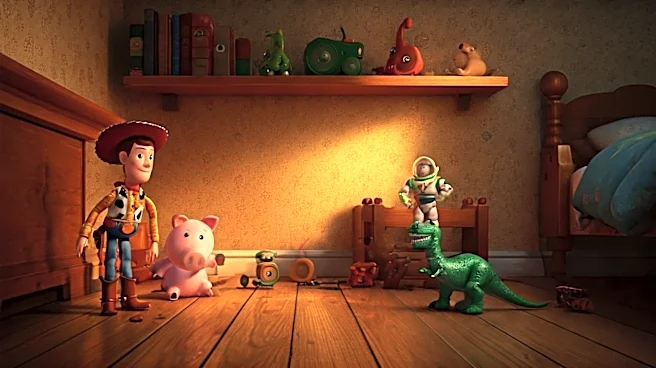
From the very beginning, Toy Story’s genius was its sense of scale. The world wasn't the planet; it was Andy's bedroom. The drama wasn't about saving humanity; it was about staying on the bed and out of the closet. The original film established a core
truth that powered its sequels: for a toy, the most terrifying threats are intimate and personal. Fear of replacement, the horror of being lost, the existential dread of being packed away—these are stakes that feel more monumental than any alien invasion because they are deeply relatable. We’ve all been afraid of being left behind or forgotten. By confining the world to a child's domain, the filmmakers made the emotional stakes feel infinite. The distance from Andy’s house to Sid's is a perilous cross-country trek. A yard sale is a slave market. A moving van is a ticking clock on a relationship's very existence. This small-world, big-feeling dynamic is the secret ingredient, and abandoning it would be a critical mistake.
Emotional Stakes Over Epic Plots
Consider the central conflict of each of the first three films. *Toy Story* is a two-hander about professional jealousy and the fear of obsolescence. *Toy Story 2* expands this to question a toy's very purpose: is it better to be loved for a short time or preserved forever? The film pits a child’s fleeting affection against the sterile immortality of a collector’s museum. Then *Toy Story 3* delivered the emotional knockout blow: the terror of being outgrown. The finality of Andy leaving for college wasn't just an ending for the toys; it was a universally understood moment of transition and loss for every viewer who had ever grown up. Sunnyside Daycare was a brilliant setting, not because it was a huge new world, but because it was a prison that amplified their core anxieties. The incinerator scene remains one of Pixar’s most harrowing because it wasn’t about a villain’s plan—it was the logical, terrifying endpoint of a toy’s life cycle: becoming trash.
The Warning Shot of Toy Story 4
Many fans felt *Toy Story 3* was the perfect ending, and with good reason. *Toy Story 4*, while a beautifully animated and often clever film, showed the first signs of the franchise straining against its own formula. It expanded the world significantly, taking the characters on a road trip, through a sprawling antique store and a traveling carnival. While the introduction of Forky was a brilliant touch—a character grappling with his own existential purpose—the larger adventure felt less grounded. The true stakes of the film were, once again, deeply personal: Woody's decision to leave his family of friends to find a new purpose with Bo Peep. This emotional gut-punch worked, but it also felt like a conclusion. It pushed the 'bigger world' concept to its limit. If *Toy Story 5* tries to top that scale—a cross-country chase? an international toy convention?—it risks diluting the very thing that makes the series special. The more the world expands, the smaller the characters’ personal problems feel within it.
The Path Forward: Go Smaller, Not Bigger
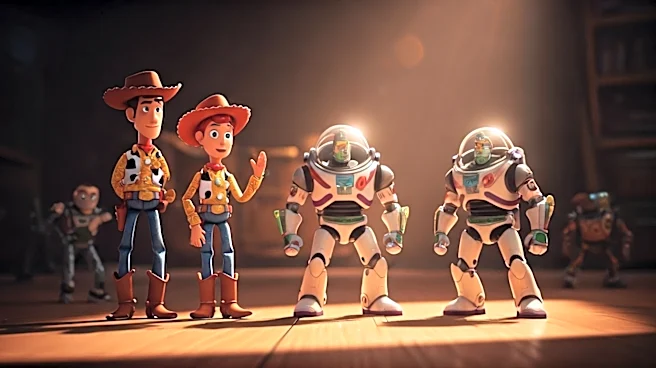
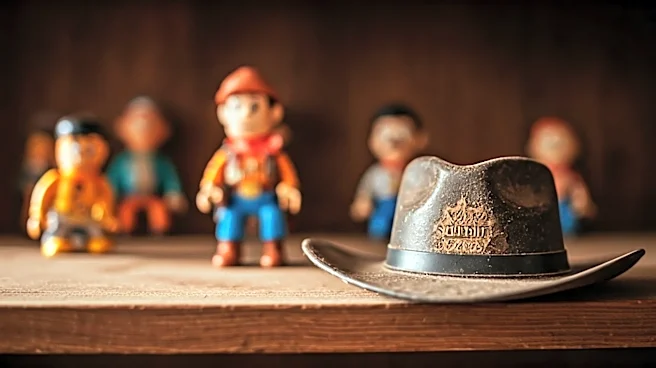
So what should *Toy Story 5* do? It should resist the Hollywood sequel mandate to escalate. Instead of a bigger world, it needs a more focused one. The most promising path is to shrink the scope back down. Let’s see the domestic drama of Buzz Lightyear trying to lead the gang in Bonnie's room. What happens when a new, disruptive toy arrives, not with the charm of Forky, but with a genuinely challenging ideology? Or explore Woody’s new life as a “lost toy.” Is it the utopia he imagined? Does he feel regret? The conflict shouldn't come from an external villain, but from internal doubt and the complex relationships that have been the series' bedrock for decades. The biggest risk *Toy Story 5* could take is to be small, quiet, and character-driven. It could explore themes of aging, memory, and legacy from the perspective of toys who have already lived several full lives. The stakes would be entirely emotional, and all the more powerful for it.