





The 'Bottle Episode' Explained
In television production, a one-set episode is commonly known as a 'bottle episode'. The term is rumored to have originated with the 1960s sci-fi series 'Star Trek', whose producers would save money for bigger episodes by writing stories that kept the cast
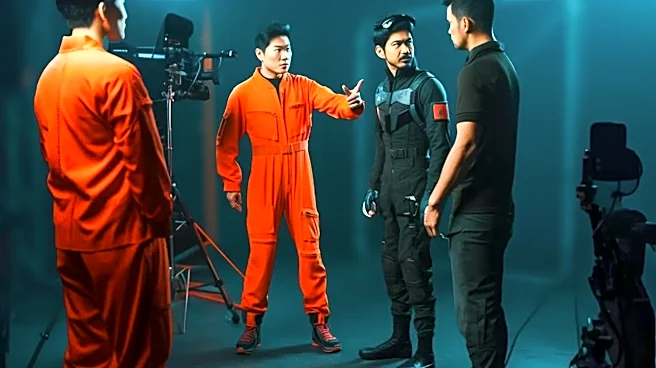
entirely on the existing starship sets—like a 'ship in a bottle'. The formula is simple: limit the story to one or two existing sets, use only the main cast, and avoid expensive guest stars, special effects, or location shoots. For decades, this has been a go-to strategy for producers needing to rein in costs, especially on shows with long, 20-plus episode seasons where budgets are stretched thin.
The Financial Magic Trick
A standard, single episode of a network drama can cost anywhere from $3 million to $8 million. A significant chunk of that budget goes toward 'below-the-line' costs, which include everything from building new sets and renting equipment to securing filming locations. Location shooting alone can increase a production's daily costs by 30-50%, not just from rental fees but from the logistical nightmare of moving crew, equipment, and cast to a new site. A bottle episode wipes away many of these expenses. By staying on a pre-built, standing set—like a sitcom living room or a police station—the production saves on construction, location scouting, permits, and transportation. Think of it as the production's equivalent of a quiet night in versus an expensive night out. That saved cash can then be reallocated to a season finale or a premiere that requires more spectacle.
A Perfect Format for Horror
While born from financial necessity, the bottle episode format is a natural fit for the horror genre, making it a Halloween favorite for anthology series like 'Tales from the Crypt' and 'Black Mirror'. Horror often thrives on claustrophobia, paranoia, and psychological tension. Trapping characters in a single room—a haunted house, a locked laboratory, or a spooky basement—automatically dials up the suspense. The story can't rely on chase scenes or elaborate monsters, so it must lean on sharp dialogue, mounting dread, and character-driven conflict. The limited setting becomes a pressure cooker, forcing secrets to the surface and making the characters—and the audience—feel like there is no escape. The anthology format, which presents a new, self-contained story each week, is particularly well-suited for this, allowing writers to craft a tight, terrifying tale without needing to connect it to a larger, more expensive narrative arc.
Creativity Born from Constraint
What began as a budgetary cheat code has evolved into a celebrated creative challenge. Writers and directors often see bottle episodes as an opportunity to flex their storytelling muscles, proving they can create a compelling hour of television without the usual bells and whistles. Stripped of spectacle, these episodes live or die on the strength of their script and performances. Some of the most acclaimed and debated episodes in television history, like 'Breaking Bad's' infamous 'Fly' or 'Friends'' real-time 'The One Where No One's Ready', were bottle episodes. They demonstrate that forcing characters into a confined space can lead to profound emotional breakthroughs, explosive arguments, and unforgettable television, proving that sometimes the biggest creative moments come from the smallest of boxes.