








The Tom Brady Model of Leadership
When an American football fan thinks of a team leader, they often picture Tom Brady. For two decades, Brady wasn't just a quarterback; he was the on-field CEO of his offense. He had immense tactical control, reading defenses, changing plays at the line
of scrimmage, and directing every player before the snap. His leadership was defined by his relentless preparation and his authority to execute the game plan in real-time. Teammates followed him not just because of his experience, but because he was the central nervous system of the team's attack. This image of a leader—a tactical general who touches the ball on every play and dictates the action—is the default for many watching a new sport.
The Armband's True Meaning
In soccer, the captain's armband signifies a different kind of authority. Officially, the captain’s duties are surprisingly minimal: they participate in the pre-game coin toss and represent the team for the toss before a penalty shootout. They have no special power to argue with the referee, though officials will often direct communication about a team's general conduct through them. The real job is unofficial and far more nuanced. A soccer captain is the team’s emotional barometer and its primary diplomat. They are expected to be the bridge between the manager and the players, rally the team when morale is low, and mentor younger squad members. Often one of the most experienced players, they lead by presence and character, not by calling plays.
A USMNT Case Study: Star Player vs. Captain
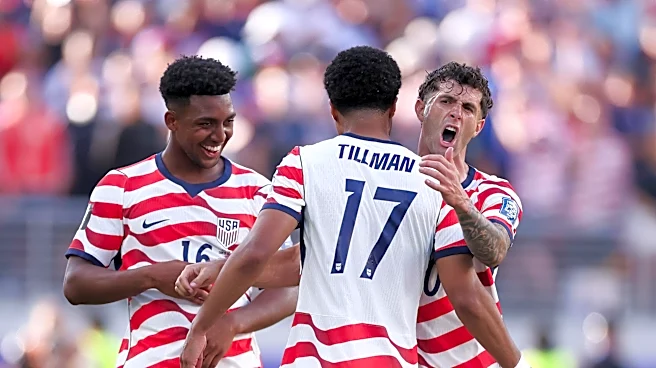
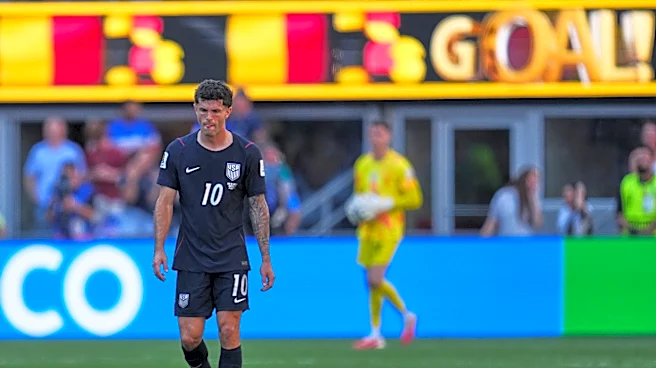
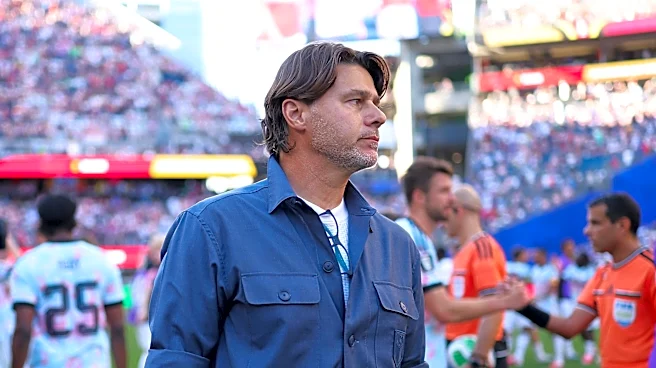
Nothing illustrates the difference better than the U.S. Men's National Team at this very World Cup. The team's biggest star, Christian Pulisic, is nicknamed "Captain America," yet he is not the team captain. Instead, manager Mauricio Pochettino chose 38-year-old veteran defender Tim Ream for the role. The reasoning was explicit: Ream was chosen for his experience and his steadying, positive leadership off the field. This decision shows that soccer captaincy isn't automatically awarded to the most talented or famous player. It's a specific role given to the person best equipped to manage the team's collective personality and discipline, a job that can be completely separate from being the primary playmaker. A captain can be a defender or even a goalkeeper, a world away from the quarterback's central role.
Captains to Watch on the World Stage
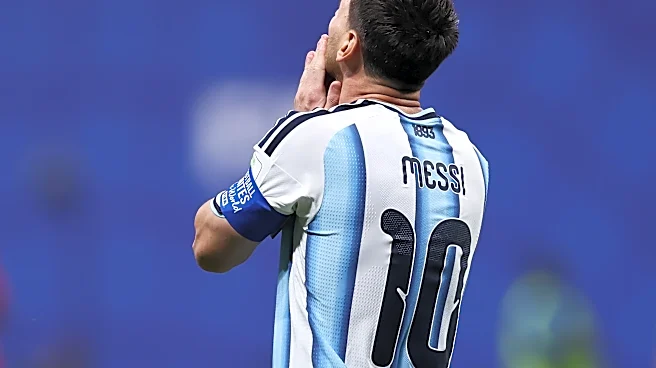
While the U.S. separates its star from its captain, other nations combine the roles. England’s captain, Harry Kane, is also the team’s superstar striker and all-time leading scorer. He leads by example, shouldering the goal-scoring burden while also being the team's public face. His leadership was on full display in England's recent dramatic victory over Mexico, where he was praised for helping the team dig deep under immense pressure. Elsewhere, you see legends like Argentina’s Lionel Messi and Portugal’s Cristiano Ronaldo wearing the armband, likely in their final World Cup. For them, the captaincy is the culmination of an entire career, representing the hopes of a nation on their shoulders in a way that is both symbolic and deeply personal.