






The Court as a Country Club Catwalk
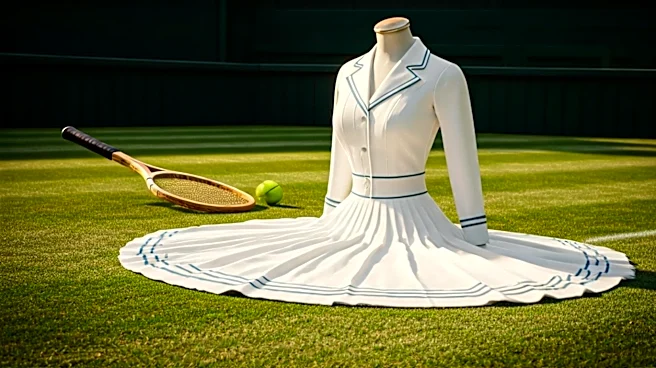
In the beginning, tennis was a garden party activity for the upper crust, and the clothes reflected that. Women in the late 19th and early 20th centuries played in full-length skirts, high-collared blouses, and even corsets. The all-white dress code,
which became synonymous with the sport and was officially adopted by tournaments like Wimbledon, wasn't just about hiding sweat stains; it was a symbol of purity, leisure, and wealth. The outfits were designed for appearance, not athleticism, with heavy fabrics and multiple layers making agile play nearly impossible. This established the 'formal' side of the equation: tennis was a polite, respectable affair, and one had to dress the part.
The Rebel Yell of a Shorter Hemline
The push for practicality began in the 1920s with French superstar Suzanne Lenglen. Dubbed "La Divine" by the press, she shocked Wimbledon by appearing on court with bare arms, a knee-length pleated skirt, and her signature bandeau headband. The press deemed her calf-baring dress "indecent," but it revolutionized the game, allowing for a more aggressive, athletic style of play. This rebellious spirit continued in 1949 when American player Gussie Moran wore a short dress designed by Ted Tinling that revealed lace-trimmed knickers underneath. The outfit scandalized Wimbledon officials, but photographers scrambled for low-angle shots, and Moran became known as "Gorgeous Gussie." Each shortened hemline and dropped waist was a statement: the court was becoming a place for athletes, not just ladies of leisure.
Enter Diana: The Ultimate Style Match
No one embodied the blend of sporty and formal better than Princess Diana. While not a professional player, her off-duty wardrobe in the late 1980s and 1990s became the definitive mood board for the aesthetic. She expertly mixed high and low, pairing collegiate sweatshirts and varsity jackets with pleated skirts, or chic bike shorts with oversized jumpers and crisp white sneakers. Her looks became cemented in cultural history, so much so that they are still recreated today in fashion shoots. Diana demonstrated how athletic wear could be aspirational and elegant, moving it beyond the gym and onto the streets. She perfected the balance of looking polished while retaining a sense of relaxed, athletic ease—the very tension that had been playing out on the tennis court for decades.
The 90s Pro and the Rise of Branding
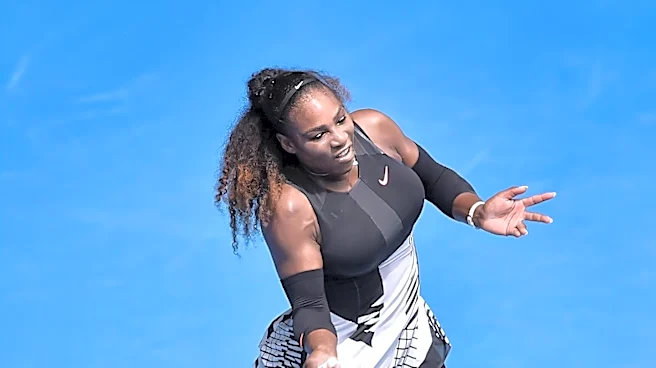
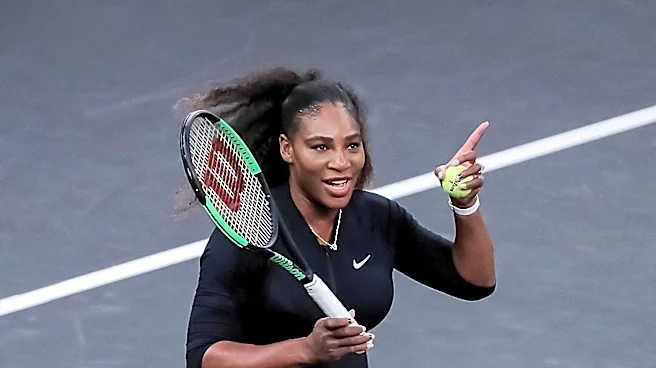
By the 1980s and 90s, professional players were navigating this same dynamic, but with the added pressure of sponsorships. On-court fashion became a key part of an athlete's brand. Stars like Steffi Graf and Gabriela Sabatini became known for their distinctive on-court styles. Their outfits, often brightly colored and graphically bold, had to deliver high performance while also being instantly recognizable. Graf, with her powerful, athletic game, often wore functional yet stylish kits, while Sabatini was known for a fashion-forward flair. This era saw the rise of the tennis dress as a billboard for both personal style and corporate branding, cementing the 'sporty' element as a commercial force while still operating within the traditional, 'formal' confines of the sport's heritage.
The Archival Echo in Today's 'Tenniscore'
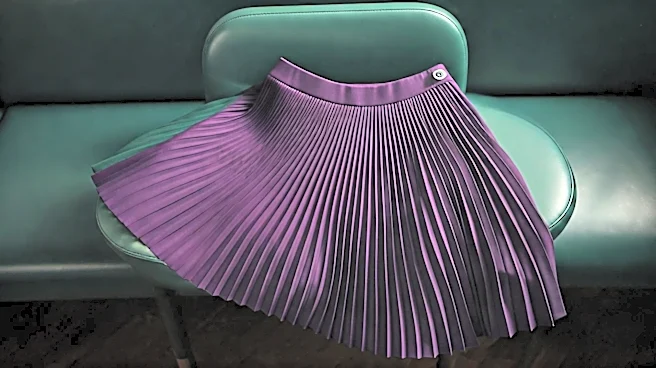
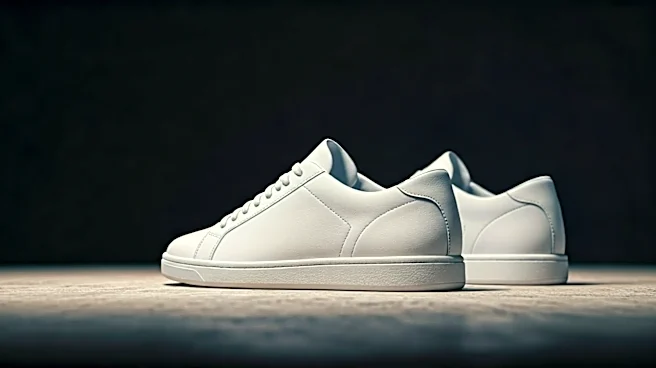
Today, the sporty-formal look is back in a big way, repackaged as "tenniscore." This trend, which blends vintage country club aesthetics with modern athleisure, has taken over social media and street style. Think pleated mini-skirts, polo shirts, and crisp white sneakers—all staples of the Diana-era wardrobe. The aesthetic's appeal lies in its ability to be both functional and chic, hitting the sweet spot between athletic wear and sophisticated daywear. From celebrity red carpets to high-fashion runways, the influence of archival tennis wear is undeniable, proving that the stylish tension between the worlds of sport and formality continues to be a source of inspiration.