



The Unspoken Rule of Silhouette
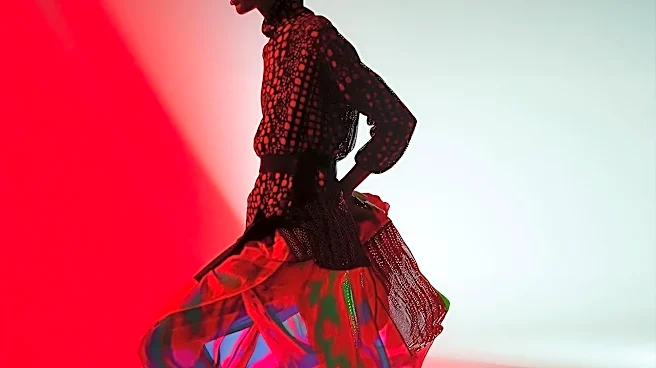
In the world of costume design, a character’s silhouette is everything. It's their visual signature—the outline that tells you who they are before they even say a word. Think about the sharp, tailored suits of a high-powered lawyer versus the soft, flowing
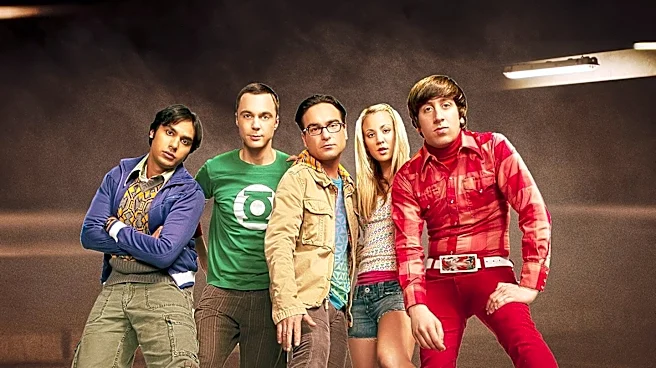
layers of a free-spirited artist. This shape language is a crucial tool for storytelling, instantly communicating personality, social status, and a character's place in the world. Designers build this silhouette carefully, choosing every piece, from undergarments to outerwear, to create a consistent and recognizable look that helps the audience connect with the character. It’s a form of visual branding that runs through every episode, reinforcing their core identity. A character's silhouette is rarely broken without a significant plot reason, like a major life change or a disguise.
Halloween: The Annual Hall Pass
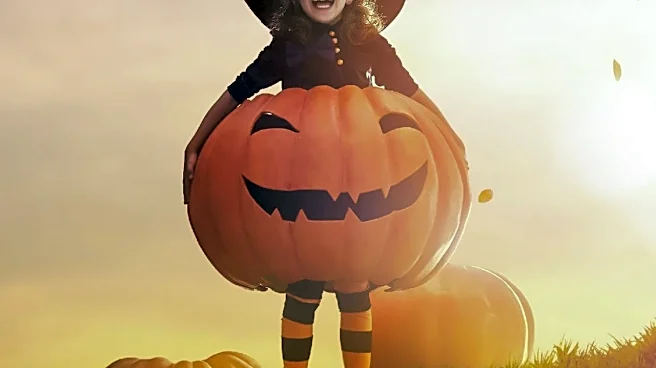
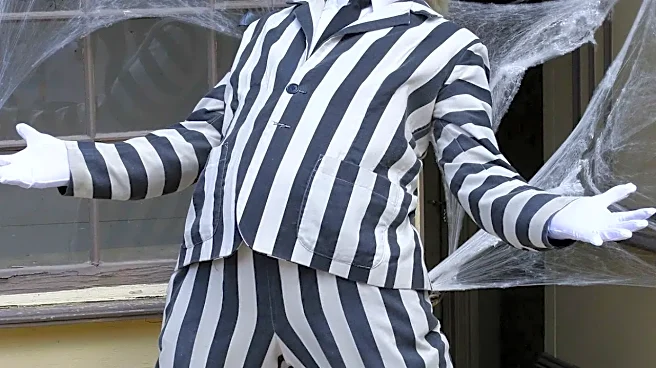
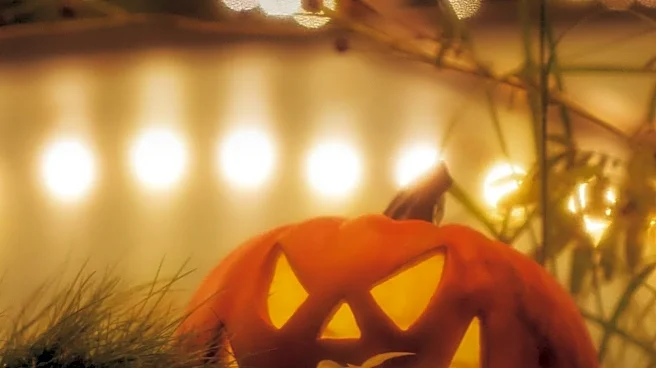
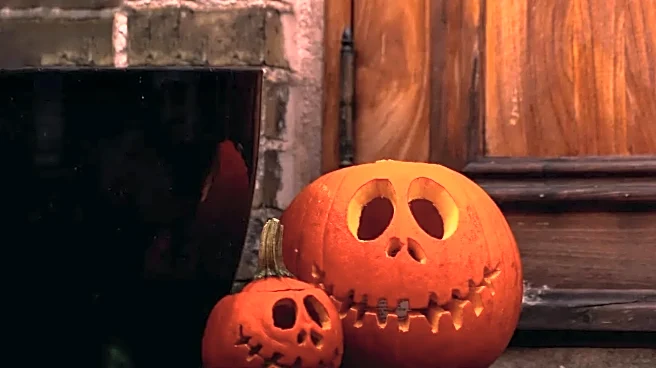
Then comes the Halloween episode. For costume designers, this is the ultimate get-out-of-jail-free card. The holiday provides an in-universe, plot-approved reason for a character to look completely, utterly different. It's one of the few times a designer can throw the established silhouette out the window without disrupting the narrative's logic. Suddenly, the minimalist architect can dress as a frilly Marie Antoinette, and the tough, leather-clad detective can show up as a goofy cartoon character. This break is narratively justified because the characters themselves are choosing to step outside their daily identities for one night. It’s a temporary escape, making the visual departure feel both exciting and earned.
Deeper Character, Deeper Story
A character's choice of Halloween costume is rarely random; it's a powerful vehicle for character development. What a character decides to be for Halloween can reveal their aspirations, insecurities, pop culture obsessions, or a hidden, playful side of their personality. When Dwight Schrute on The Office dresses as a Sith Lord, it reinforces his constant power struggle and dark sense of order. When the teens on Euphoria choose elaborate, highly specific pop culture avatars, their costumes reflect their identities and the dramatic personas they are trying to project. These choices give audiences a glimpse into a character's inner life, adding layers of meaning that a normal episode's wardrobe might not allow. It's storytelling through wish fulfillment and self-expression.
A Playground for Designers
Beyond character, the Halloween episode is a much-needed creative release for the designers themselves. A show set in the modern day with a cast of office workers doesn't usually offer the chance to design Elizabethan gowns, superhero armor, or monster makeup. Halloween gives them a license to play with different periods, genres, and materials that fall far outside the show's normal aesthetic. It allows the costume department to showcase its full range of skills, from historical research to intricate craftwork and pure, unadulterated fantasy. This annual tradition of sanctioned chaos is often a highlight for the entire creative team, injecting a burst of fun and visual spectacle into the production schedule. It’s a chance to go big, get weird, and remind audiences of the transformative power of a great costume.