



The October Time Crunch
October is a finite resource. There are only so many nights to dedicate to spooky season, and the watchlist is long. When a horror movie clocks in at under 90 minutes, it feels like a low-risk proposition. You can watch it, absorb the scares, and still
have time to debate the ending with friends before bed. But as movie runtimes balloon across all genres, horror is no exception. A film stretching past the two-hour mark feels like a different kind of contract. It’s asking for more than just your attention; it’s asking for a significant portion of your evening. For a genre that thrives on tension and release, a longer runtime can feel less like a feature and more like a threat to the film’s own pacing.
The Case Against: When Long Is a Drag
Let’s be honest: a bad 90-minute horror movie is forgettable. A bad 150-minute horror movie is a hostage situation. The primary sin of the bloated horror film is failing to justify its length. The story meanders, subplots about a second cousin’s financial troubles pad the second act, and the scares are spread so thin they lose all impact. Instead of a crescendo of terror, you get a series of disconnected bumps in the night. It’s the film that spends 40 minutes setting up characters you still don’t care about, or that mistakes repetitive jump scares for building atmosphere. More often than not, a haunted house story that needs over two hours to unfold is a sign of a weak script, not a complex one. The horror genre is littered with examples that would have been brilliant if a ruthless editor had just chopped 30 minutes off the top.
The Defense: The Power of the Slow Burn
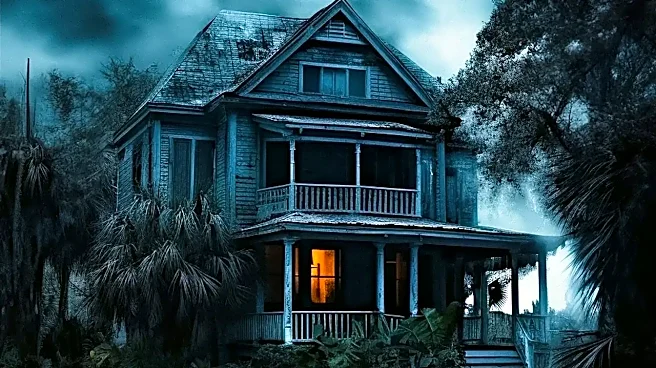
But when it works, it really works. A longer runtime, when used wisely, can create a depth of terror that a shorter film can’t touch. This is the domain of the “slow burn.” These films use their extended length not for filler, but for immersion. They give you time to know the family before the haunting begins, to understand their dynamics, their grief, and their secrets. That emotional investment makes the eventual terror far more personal and devastating. Think of masterpieces like The Shining or modern classics like Hereditary. Their length isn't a bug; it's a feature that allows dread to seep into the story's very foundation, building atmosphere brick by terrifying brick until the house itself feels like a malevolent character. A well-paced long horror movie doesn't just startle you; it unnerves you on a profound level, and the feeling lingers long after the credits roll.
The Two-Hour Litmus Test
So, how do you separate the atmospheric epics from the self-indulgent slogs? Before you press play, ask yourself a few questions. First, who is the director? Some filmmakers, like Ari Aster or James Wan, have a track record of using longer runtimes to their advantage. Second, what are critics and audiences saying specifically about the pacing? Ignore the generic “it’s scary” reviews and look for words like “taut,” “well-paced,” or their opposites: “bloated” and “meandering.” Finally, is the story character-driven or plot-driven? A complex family drama set within a haunted house, like The Haunting of Hill House series, earns its length. A simple slasher premise stretched to two and a half hours probably does not. A great long movie will feel like every minute was essential; a bad one will have you checking your watch during the climax.