

The Nostalgia Time Machine
The most obvious reason these reunions hit so hard is nostalgia. Seeing the cast of a show like 'Friends' or 'Harry Potter' together again doesn't just remind us of the show; it transports us to who we were when we watched it. For many, these shows were companions
during formative years. The reunion acts as a time machine, instantly connecting us to our younger selves, our old living rooms, and the moments we first fell in love with those characters. It’s a return to a familiar emotional landscape. Psychologically, nostalgia can increase feelings of social connectedness and life satisfaction, and reunions are a direct IV drip of that comforting emotion. We aren't just watching actors; we're revisiting a cherished chapter of our own lives.
The Chemistry Check
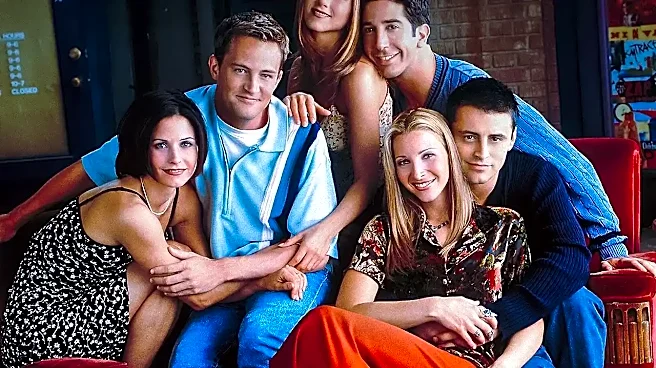
Part of the magic of any great ensemble piece is the chemistry between the actors. We spend years invested in their on-screen friendships, rivalries, and romances. A reunion is our chance to peek behind the curtain and see if that magic was real. When you see the cast of 'The Office' laughing together or the stars of 'The Fresh Prince of Bel-Air' sharing heartfelt moments, it validates our emotional investment. Will Smith once noted, "You cannot buy or fake chemistry. When people vibe... it creates magic." Hearing Jennifer Aniston and David Schwimmer admit they had real-life crushes on each other during the filming of 'Friends' sent fans into a frenzy because it confirmed that the connection they felt on screen had a real-world basis. It’s the ultimate payoff for fans who suspected the bonds were as genuine off-screen as they appeared on.
A Shared Cultural Campfire
In today’s fragmented media world, where everyone is streaming something different on their own device, true monoculture moments are rare. A major cast reunion, like those for 'Harry Potter' or 'Friends', briefly resurrects that feeling of a shared cultural event. Suddenly, social media is buzzing about the same topic, and it feels like everyone is gathered around the same campfire again, just like when the show originally aired weekly. It's a powerful reminder of a time when pop culture could create a collective experience. These specials become appointment viewing, giving millions of people a common touchstone and a reason to connect, reminisce, and feel part of something larger than themselves, even if just for one night.
The Parasocial Payoff
Psychologists talk about parasocial relationships: the one-sided bonds we form with characters and celebrities. We welcome them into our homes for years, feeling like we know them intimately. When a show ends, it can feel like a genuine loss. A reunion offers a form of closure and continuation. It’s a chance to check in with old friends and see that they’re okay. Seeing the actors share behind-the-scenes stories and personal anecdotes deepens that perceived relationship. But it also forces a confrontation with time. Seeing actors age can be jarring precisely because our mental image of them is frozen in reruns. This blend of the familiar face and the passage of time creates a complex, often emotional, experience that’s deeply personal to each viewer.