


A Generation with Money to Burn
The single most important ingredient for the Mod explosion was money. For the first time in British history, a generation of young, working-class people had disposable income. The post-war economic boom and the end of austerity meant teenagers were no longer
automatically handing over their paychecks to support the family. This created a powerful new consumer demographic: youth with cash and a desire to spend it on things that defined them, from records to, most importantly, clothes. Unlike the pre-war era, where fashion was dictated by a wealthy, mature Parisian elite, the 1960s saw the rise of youth-oriented boutiques on London's Carnaby Street and King's Road, ready to cater to this new market. This economic freedom gave young people the power to invent their own style, completely separate from the drab, make-do-and-mend mentality of their parents' generation.
More Than Just a Miniskirt
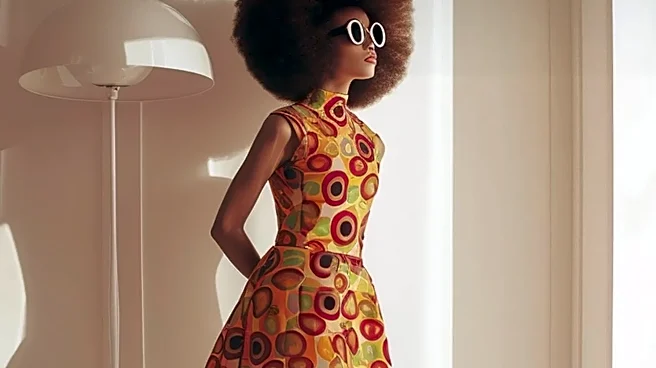
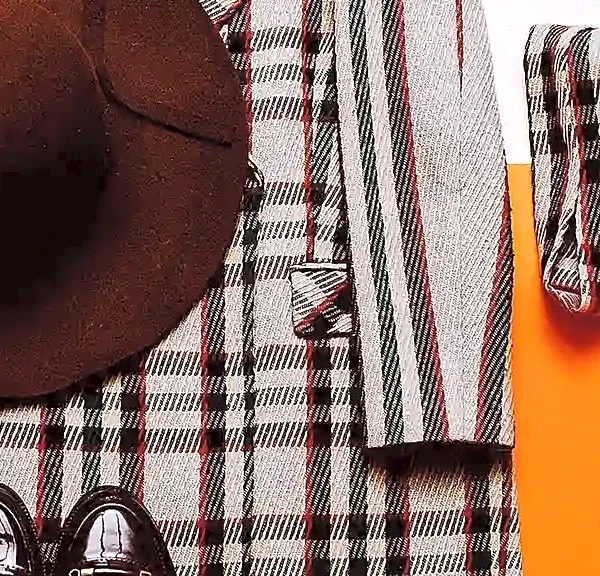
While men’s fashion saw a shift towards slim, European-inspired suits, it was womenswear that truly symbolized the era's social upheaval. Designer Mary Quant became the face of this change, popularizing the miniskirt. But the miniskirt wasn't just a piece of clothing; it was a declaration of independence. Its rise coincided with the widespread availability of the birth control pill, giving women unprecedented control over their lives and bodies. Mod fashion was built for this new woman: shift dresses allowed for movement, bold patterns exuded confidence, and shorter hemlines were a defiant rejection of the restrictive womenswear of the 1950s. Quant's genius was in creating clothes that were not only stylish but also practical and liberating, perfectly capturing the spirit of female emancipation that was in the air. For the first time, young women didn't have to dress like their mothers.
The Media as an Amplifier
A great look and a willing audience are one thing, but Mod went supernova thanks to a new, youth-focused media landscape. The key catalyst was the television show "Ready Steady Go!". Launched in 1963, it was a live, chaotic, and incredibly cool broadcast that acted as a national catwalk for Mod fashion. Unlike other pop shows, it featured a studio audience of trendy teenagers, and its host, Cathy McGowan, became a style icon known as the 'Queen of the Mods'. The show transported the trends brewing in London's clubs to the rest of the country overnight. Bands like The Who and The Kinks didn't just provide the soundtrack; their sharp, tailored look became integral to the Mod identity, blurring the lines between music and fashion. This media amplification turned a London subculture into a nationwide, and eventually global, phenomenon.
A Clean Break From the Past
Ultimately, the power of Mod fashion came from its complete and utter rejection of what came before. It was a visceral, visual break from the generation that had lived through the war. The Teddy Boys of the 1950s had kickstarted the idea of a distinct male youth fashion, but the Mods took it further, embracing a clean, forward-looking, European aesthetic over American rock-and-roll styles. They swapped greased-back hair for French-inspired cuts and traded heavy leather jackets for Italian-style suits and parkas. This was fashion as a statement of identity, a way to say, "We are not our parents." It was optimistic, sophisticated, and obsessed with the new—the very definition of 'modernist'. This psychological rejection of the past, combined with economic power and social freedom, created a perfect storm that made the mid-1960s the ideal moment for this youthquake to shake the world.