



To understand Camp Flog Gnaw, you have to understand Odd Future. And to understand Odd Future, you have to understand Earl Sweatshirt. He is more than an artist on the lineup; he is a living, breathing link to the festival’s chaotic soul.
The Ghost of Odd Future Past
Before it was
a massive, sold-out spectacle at Dodger Stadium, Camp Flog Gnaw was the chaotic brainchild of Tyler, the Creator and his hip-hop collective, Odd Future Wolf Gang Kill Them All. Birthed in 2012, the first carnivals were an extension of the group’s disruptive, DIY ethos: a blend of skate culture, carnival rides, and aggressively original music. Within this whirlwind of creative energy, Tyler was the visionary architect, but Thebe Kgositsile, the preternaturally gifted teenage rapper known as Earl Sweatshirt, was its lyrical prodigy. Discovered by Tyler on MySpace, Earl’s dense, multi-syllabic, and darkly comedic rhymes on his debut mixtape 'Earl' made him the collective's secret weapon and its most revered wordsmith. He was the quiet, introspective counterweight to the group's loud, anarchic public persona, representing the technical genius simmering beneath the surface.
From 'Free Earl' to Festival Mainstay
Just as Odd Future began its meteoric rise, Earl vanished. Sent to a boarding school in Samoa by his mother, his absence created a mythos. The 'Free Earl' movement became a rallying cry for fans, an internet campaign that cemented his legendary status before he was old enough to vote. His eventual return in 2012 was a watershed moment, not just for the group but for the burgeoning festival that bore its spirit. When Earl appeared on a Camp Flog Gnaw stage, it was more than a performance; it was a homecoming. These early appearances, including surprise reunions with Tyler as the duo 'EarlWolf', were historic, emotional touchstones for a fanbase that had grown up with the collective. It reaffirmed the festival as the one place the fractured family of Odd Future could always, in some form, come back together.
The Two Paths of an Odd Future
As Camp Flog Gnaw grew, so did the artistic ambitions of its founders. Tyler, the Creator evolved from a shock-rap provocateur into a Grammy-winning, genre-bending auteur and a masterful curator of culture. His festival mirrored this, becoming a polished, impeccably designed event showcasing a diverse array of global talent. In contrast, Earl Sweatshirt journeyed inward. He deliberately veered away from commercial accessibility, diving deeper into abstract, fragmented, and emotionally raw territory with albums like 'Some Rap Songs' and 'Sick!'. He became the anti-festival festival act—an artist whose dense, murky, and deeply personal music demands quiet introspection, a stark contrast to the bright, open-air energy of a carnival. This divergence is crucial; while Tyler built the stadium, Earl kept the raw, introspective spirit of their early work alive in its purest form.
The Festival's Living Conscience
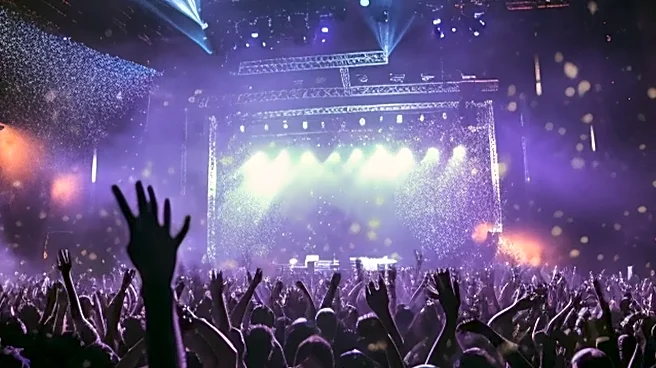
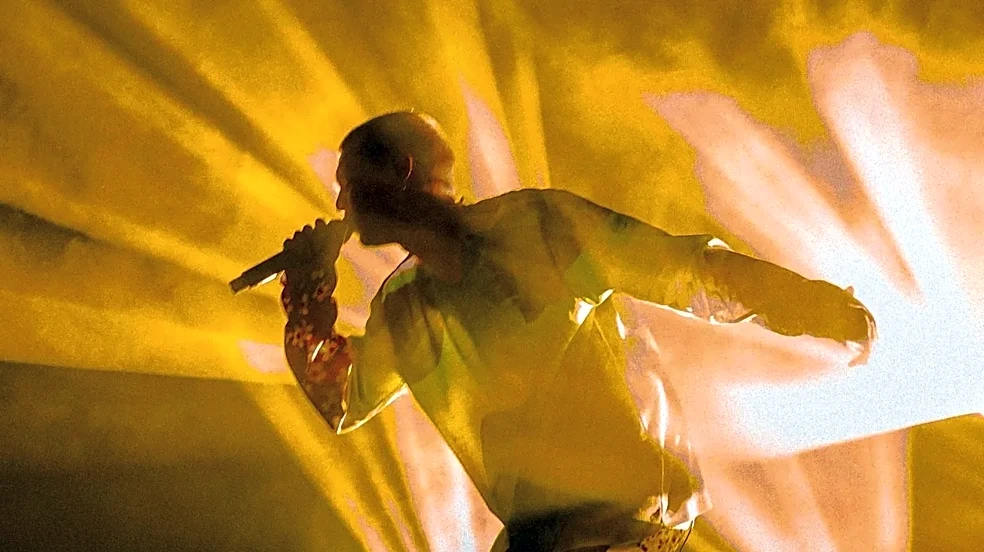
Today, Earl Sweatshirt’s presence on a Camp Flog Gnaw lineup is a powerful statement. He is a direct line to the festival's DNA. For the thousands of fans who pack Dodger Stadium, many of whom may be too young to remember the 'Free Earl' chants, his set is a history lesson. It’s a reminder that before the Ferris wheels and brand activations, this was all born from a group of restless teenagers making groundbreaking art in Los Angeles. His performances serve as the festival's conscience, grounding the massive event in its humble, artist-first origins. Even when scheduling conflicts have caused fans to leave his set early to catch Tyler's headlining performance, the conversation it generates underscores his importance. He isn't just another name on the poster; he is a foundational pillar, a symbol of the lyrical integrity and artistic courage that made Odd Future—and by extension, Camp Flog Gnaw—matter in the first place.