

The Golden Hour, But Earlier
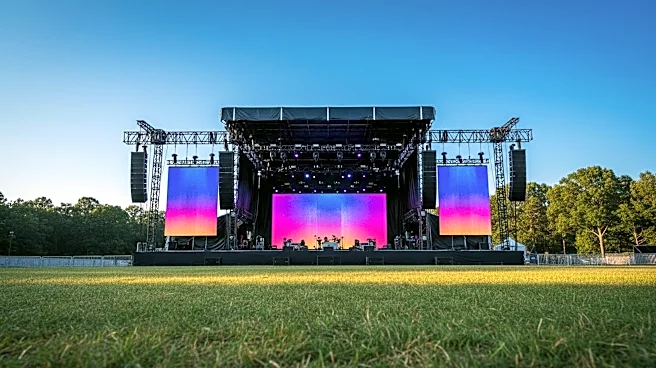
The festival day at San Francisco’s Golden Gate Park begins with a unique energy. The throngs of the 70,000-plus attendees have yet to descend, the lines for food are manageable, and the collective energy is a gentle hum of anticipation, not the full-throated
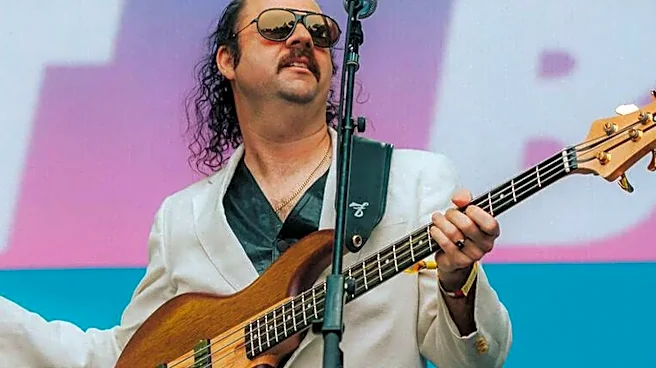
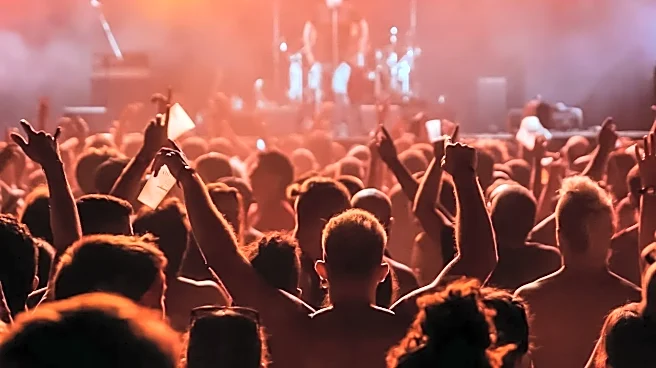
roar of the evening. Sometime around 2 p.m., as the afternoon sun cuts through the city’s signature fog, a band will take one of the main stages to a crowd that feels more like a large gathering of friends than a sold-out spectacle. This isn't the chaotic, high-stakes environment of a headlining slot; it’s something else entirely. It’s a space where the music has room to breathe, where fans can wander up close without a battle, and where the performance on stage feels less like a broadcast and more like a conversation. The vibe is relaxed, communal, and ripe for discovery—a stark contrast to the sensory overload that will define the park after dark.
A Laboratory for Artists
For a performing artist, the early-afternoon slot is a blessing in disguise. While the paycheck and prestige are smaller, the pressure is off. This is not the time for a highly choreographed, hit-packed set designed to please a distracted mega-crowd. Instead, it’s a chance to win over the most attentive audience a festival has to offer: the true believers who showed up early. Artists can experiment with deeper cuts, connect with the audience on a more personal level, and deliver a performance that’s about genuine musicality. It’s a low-risk, high-reward opportunity to convert curious onlookers into dedicated fans. Many acts have leveraged these daytime shows to build crucial momentum. For example, reports noted that The Last Dinner Party drew one of the largest afternoon crowds and became a new favorite for many who saw them for the first time during their early set. Similarly, a performance by Chappell Roan drew what was reported as the largest daytime crowd in the festival's history.
The Fan’s Secret Weapon for Discovery
For the seasoned festival-goer, the early afternoon is prime hunting ground. The schedule is less crowded with painful conflicts, allowing you to catch full sets without sprinting across the park. This is where you find your next favorite band. It’s the set you’ll talk about for years, the one that makes you feel like you were in on a secret before everyone else. Long before she was a superstar, a lesser-known Ellie Goulding played an early slot at Outside Lands in 2011, on the cusp of fame. These are the performances that define the true spirit of music discovery that festivals promise. While the headliners provide the grand, unifying moments, the 2 p.m. act provides something more personal: the thrill of finding something new to love, with enough space to actually enjoy it. The crowd is there because they want to be, not just because it’s the main event, creating a shared experience of genuine curiosity and appreciation.
More Than Just an Opening Act
It’s easy to dismiss the daytime lineup as a mere warm-up for the main attractions, but that framing misses the point. These sets are not just a stepping stone; they are a vital part of the festival's ecosystem. They provide a different kind of festival experience—one that is more intimate, relaxed, and focused on the simple pleasure of watching a great band in the middle of a beautiful day. The power of these slots is quiet, but it’s undeniable. They are where an artist can have a career-defining moment in front of a few thousand captivated listeners, and where a fan can have an experience that feels personal and profound. The legacy of a festival isn't just written by the names in the largest font on the poster; it’s also found in the sun-drenched afternoons and the artists who seize them.