





More Than a Game: Geopolitical Echoes
Sometimes, the tension isn't just about what's happening on the field—it’s an echo of conflicts from the past. When two nations with a history of political or military friction face off, the soccer pitch can become a symbolic battleground for national
pride. The most famous example is the 1986 World Cup quarter-final between Argentina and England, played just four years after the Falklands War. For Argentina, Diego Maradona's infamous "Hand of God" goal and his stunning second goal were seen as a form of poetic, if controversial, revenge. Similarly, matchups like USA vs. Iran or Serbia vs. Switzerland carry heavy political undertones, turning 90 minutes of soccer into a focal point for decades of complex history and national identity.
Ghosts of Tournaments Past
Soccer has a long memory. A controversial call, a heartbreaking defeat, or a moment of perceived injustice from a previous tournament can haunt a team for generations, creating a desperate hunger for redemption. Think of Ghana versus Uruguay. In the 2010 World Cup quarter-final, a deliberate last-second handball by Uruguay's Luis Suárez on the goal line denied Ghana a certain game-winning goal. Suárez was sent off, but Ghana missed the subsequent penalty and lost the shootout. Ever since, any meeting between the two nations is framed by that single moment of cynical brilliance—or villainy. These revenge narratives are potent because they’re entirely of the sport's own making, a self-contained drama where the only thing that can settle the score is a victory in the next chapter.
It's Personal: When Stars Collide
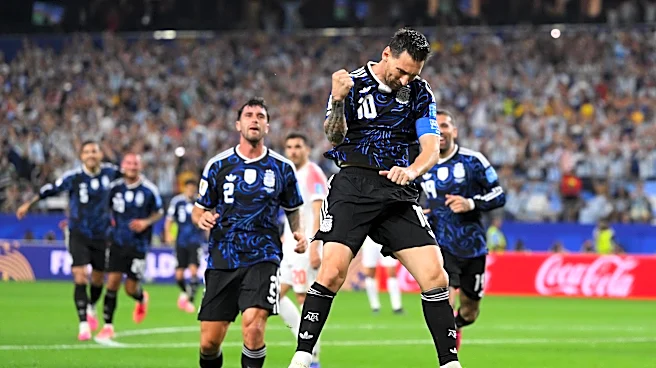
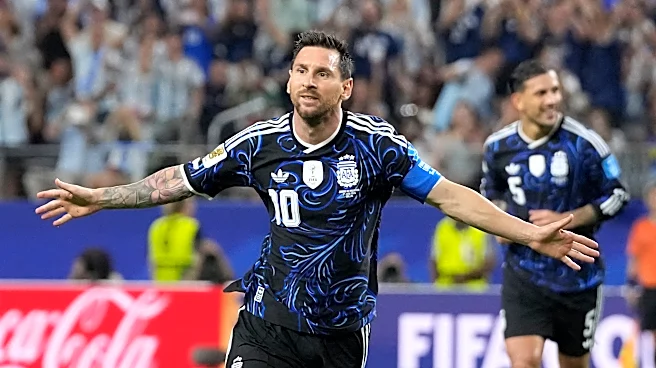
While soccer is a team sport, global tournaments often become a stage for individual duels that define legacies. For over a decade, the soccer world was dominated by the rivalry between Lionel Messi and Cristiano Ronaldo. When their club teams, Barcelona and Real Madrid, clashed, it was an event. But seeing that rivalry play out on the international stage, with the weight of their nations on their shoulders, added another layer of drama. These clashes are fueled by media narratives and endless fan debates over who is the 'Greatest Of All Time.' Each goal, each victory, and especially a World Cup trophy, becomes a critical data point in a personal battle for immortality. This phenomenon concentrates a national rivalry into a one-on-one contest between two of the planet's best athletes.
The Neighbor vs. Neighbor Dynamic
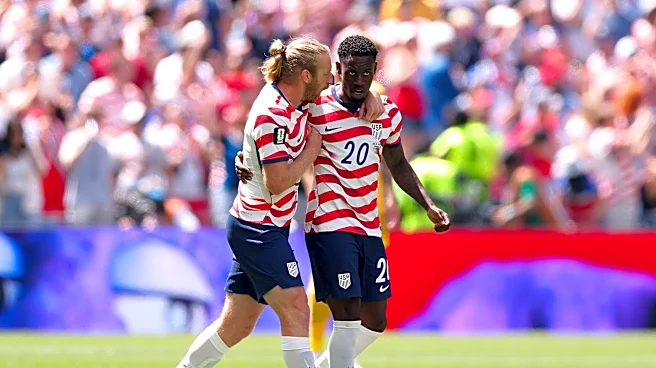
Proximity breeds contempt, and nowhere is that more true than in international soccer. For the United States, the rivalry with Mexico is the primary example. Fueled by geographical closeness and a long, competitive history, these matches are about more than just points; they're about bragging rights in CONCACAF. For decades, Mexico dominated the series, but the rivalry intensified dramatically in the 21st century as the U.S. became more competitive, highlighted by the USMNT's 2-0 win in the 2002 World Cup knockout stage—a result so iconic it sparked the fan chant "Dos a Cero." These regional showdowns, like Brazil vs. Argentina or Netherlands vs. Germany, are so intense because the fans, and often the players, have grown up with this being the one game you simply cannot lose.