




The Primal Pull of Belonging
Let’s get the obvious reason out of the way first: Nobody likes being the odd one out. Showing up in jeans to a cocktail party or a tuxedo to a backyard barbecue creates a moment of social friction. This isn't just about vanity; it's a deep, primal instinct.
Humans are social creatures, and for millennia, our survival has depended on our ability to fit into a group. Conforming to a group’s sartorial norms is a low-stakes, high-impact way of signaling, “I’m one of you. I understand the rules. I belong here.” It’s a non-verbal password that grants you access to the social fabric of the event. Breaking that code, even unintentionally, can make you feel isolated and, on a subconscious level, vulnerable. So when we match the energy of the room with our attire, we’re tapping into a fundamental need for acceptance and harmony.
Creating a Special Moment, Together
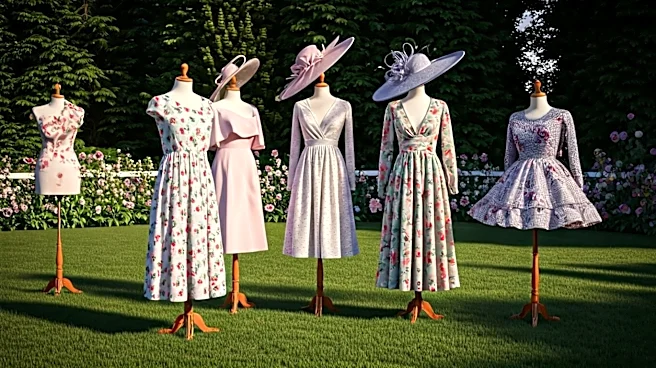
But dressing up in unison is about so much more than avoiding awkwardness. It’s an act of collective world-building. When everyone at a wedding is in their finest, it transforms a hotel ballroom into a sacred space for a day. When an office full of people dons ugly holiday sweaters, it turns a regular Tuesday into a moment of shared, festive absurdity. A dress code is a tool for ritual. It draws a line between the mundane and the memorable, signaling to everyone involved that 'this is not just another day.' By participating, you’re not just a passive observer; you are an active co-creator of the event’s atmosphere. Your effort, multiplied by everyone else’s, is what generates the magic. It’s the visual equivalent of a crowd singing along at a concert—a powerful, unifying force that elevates the experience for all.
Finding Freedom Within the Framework
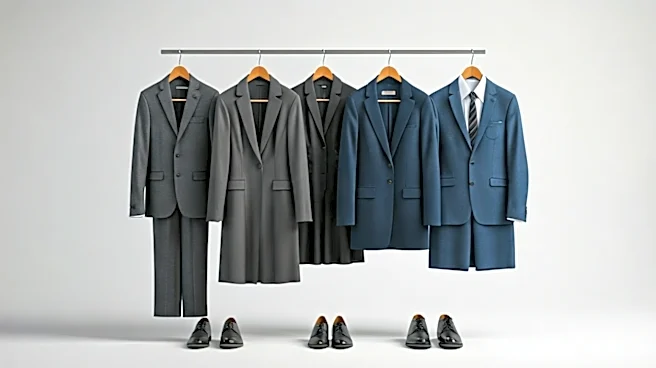
It seems paradoxical, but a dress code doesn’t always kill individuality—sometimes, it liberates it. Think about it: when the big decision of formality is already made for you ('black tie,' 'business casual'), you’re freed up to focus on the details. The 'uniform' becomes a canvas for subtle expressions of personality. For one person, a black-tie look is about a perfectly tailored classic tux. For another, it’s a velvet jacket, a unique pair of cufflinks, or a statement piece of jewelry. The shared constraint of the dress code actually makes these smaller, more personal choices stand out more. It forces creativity into the margins. Instead of shouting your personality with a wildly different outfit, you get to whisper it through thoughtful details, proving that true style isn't about breaking the rules, but about mastering them.
A Simple Act of Respect
Ultimately, adhering to a dress code is an act of social generosity. When someone hosts an event, whether it’s a wedding, a 50th birthday party, or a formal fundraiser, they are putting in significant effort, time, and money to create an experience for their guests. They have a vision for that experience. Following their requested dress code is a simple, powerful way to honor that effort. It’s a non-verbal 'thank you' and a signal that you appreciate being included. It says, 'I see the effort you’ve made, and I’m willing to make a little effort, too, to help bring your vision to life.' In a world that often feels overwhelmingly casual, taking the time to dress for an occasion is a small but meaningful gesture of respect for your host, the other guests, and the significance of the event itself.