






1. It All Begins with Skin Prep
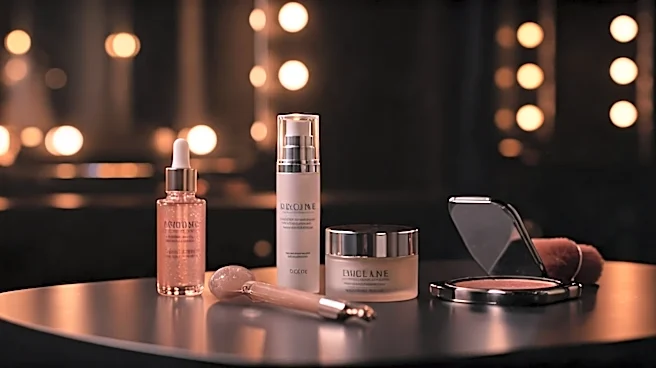
You can't build a strong house on a weak foundation. For Broadway makeup artists, that foundation is the skin itself. Long before any pigment is applied, performers undergo a rigorous skin prep routine. This isn't just a quick splash of water; it’s a multi-step
process focused on hydration and creating a smooth, grippable surface. Artists often start with a hydrating toner or essence to plump the skin, followed by a non-greasy, fast-absorbing moisturizer. For actors with oily skin, a mattifying primer is key, especially in the T-zone. For those with dry skin, a luminizing or hydrating primer creates a dewy base that won't look chalky under heavy makeup. This crucial first step ensures that foundation glides on smoothly and, more importantly, stays put through sweat and scene changes.
2. Foundation Is for Durability, Not Just Coverage
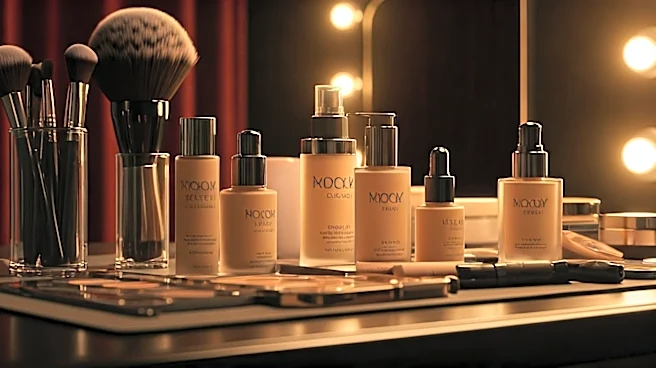
Forget the lightweight tinted moisturizers of daily life. Stage makeup requires industrial-strength coverage that can stand up to the elements. Artists typically favor cream-based foundations, often from specialized theatrical brands like RCMA or Mehron, which are highly pigmented and designed for longevity. The application is also a science. Instead of a single thick layer, pros often build coverage in thin, stippled layers using a dense brush or sponge. This avoids a cakey finish while providing maximum opacity. Color matching is also more complex; stage lights are intensely warm and can wash out or alter the color of makeup. Artists often select a foundation a shade or two darker than the person’s natural skin tone and with warmer undertones to counteract the bleaching effect of the lights.
3. Contouring to Rebuild the Face
Those bright, frontal stage lights are a makeup artist’s worst enemy. They flatten facial features, erasing the natural shadows that give a face dimension. Stage contouring isn’t about creating a subtly chiseled, Instagram-ready look; it's about literally rebuilding the structure of the face so it’s visible from the back row. Makeup artists use cream contour products that are several shades darker than the foundation to carve out cheekbones, define the jawline, and shape the nose. The application is far heavier and less blended than what you’d wear in daylight. The goal is to create dramatic shadows that will look like natural bone structure from a distance, ensuring the actor’s expressions are clear and their face doesn't look like a flat disk under the intense lighting.
4. The Power of Powder and 'Baking'
If skin prep is the foundation, then powder is the steel reinforcement. Once the cream-based foundation and contour are applied, artists lock everything in place with a heavy-duty setting powder. This is where the technique known as “baking” comes in. A thick layer of translucent powder is packed onto areas prone to creasing or high sweat, like under the eyes, around the nose, and in the center of the forehead. The powder is left to sit for several minutes, allowing the heat from the skin to “bake” the foundation and concealer, making them completely immovable. After baking, the excess powder is dusted away, leaving behind a bulletproof, matte finish that will absorb oil and sweat for hours. This step is non-negotiable for any performer who moves on stage.
5. Sealing the Deal with Setting Spray
The final step in creating a performance-proof face is a thorough dousing with a professional-grade setting spray. This isn't your average makeup mist. Artists use powerful sprays, like those from Skindinavia or Ben Nye, that create a protective film over the makeup. This seal does two things: it melds all the powder and cream layers together, removing any powdery or overly dry appearance, and it creates a waterproof, sweat-proof, and smudge-proof barrier. Performers are often instructed to hold their breath as the artist mists their face liberally. This final lock-down ensures that from the opening number to the final bow, the makeup looks exactly as it did when it was first applied, no matter how much the performer sweats, cries, or moves.